COLUMBUS – Ohio consumers are increasingly asking whether they will be forced to pay higher electric bills to support the massive power demands of AI data centers, a debate that is now beginning to take shape in Michigan.
While average residential electric bills in Michigan remain lower than those in neighboring Ohio, regulators, utilities, consumer advocates and Attorney General Dana Nessel are already clashing over a critical question: Who should pay for the billions of dollars in power plants, transmission lines and grid upgrades needed to serve the next generation of artificial intelligence facilities?
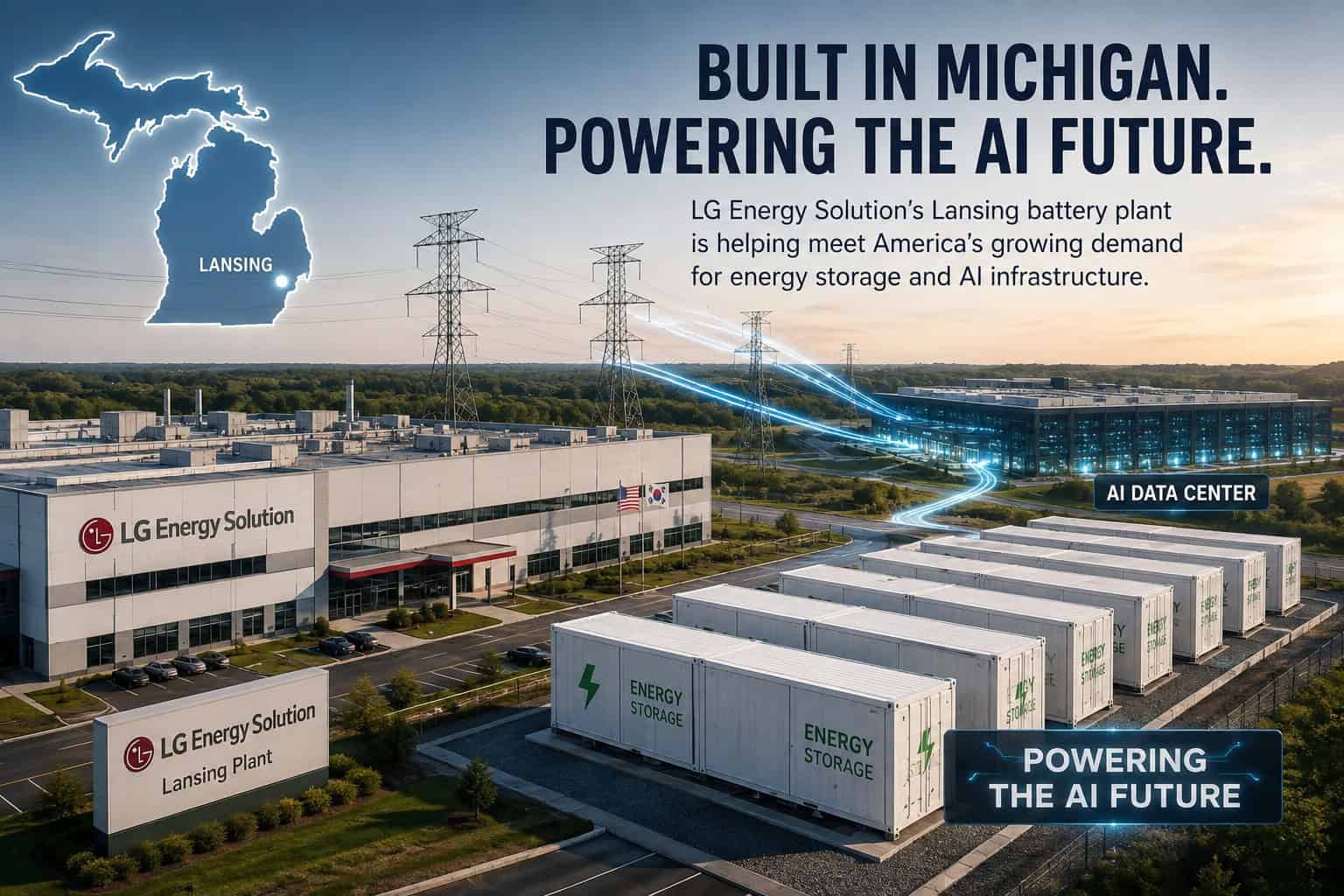
The issue is particularly relevant in Michigan, where major data center projects are planned or under development, including large facilities in Saline Township and Van Buren Township that could consume as much electricity as hundreds of thousands of homes.
According to recent Michigan Public Service Commission data, the average monthly residential electric bill in Michigan is approximately $119. Ohio’s average residential bill is roughly $135 per month, although costs vary widely by utility territory.
By The Numbers
• Average Michigan residential electric bill: approximately $119 per month
• Average Ohio residential electric bill: approximately $135 per month
• Average U.S. residential electric bill: approximately $158 per month
• Proposed Google data center in Van Buren Township: up to 1 gigawatt of power demand
• Major data center developments proposed or under construction across Southeast Michigan continue to add pressure on long-term grid planning
Ohio Consumers Sound The Alarm
The debate intensified in Ohio as consumer advocates warned that rapidly growing electricity demand from data centers could eventually translate into higher costs for residential customers.
The Ohio Consumers’ Counsel, which represents residential utility customers, has launched a public campaign focused on the potential impact of data centers on electric bills.
“Data centers could cause utility bills to rise for Ohio consumers,” the agency warns on its website.
Ohio lawmakers and policy organizations are now debating whether large data center operators should be required to pay the full cost of the infrastructure needed to serve them, rather than spreading some of those expenses across the broader customer base.
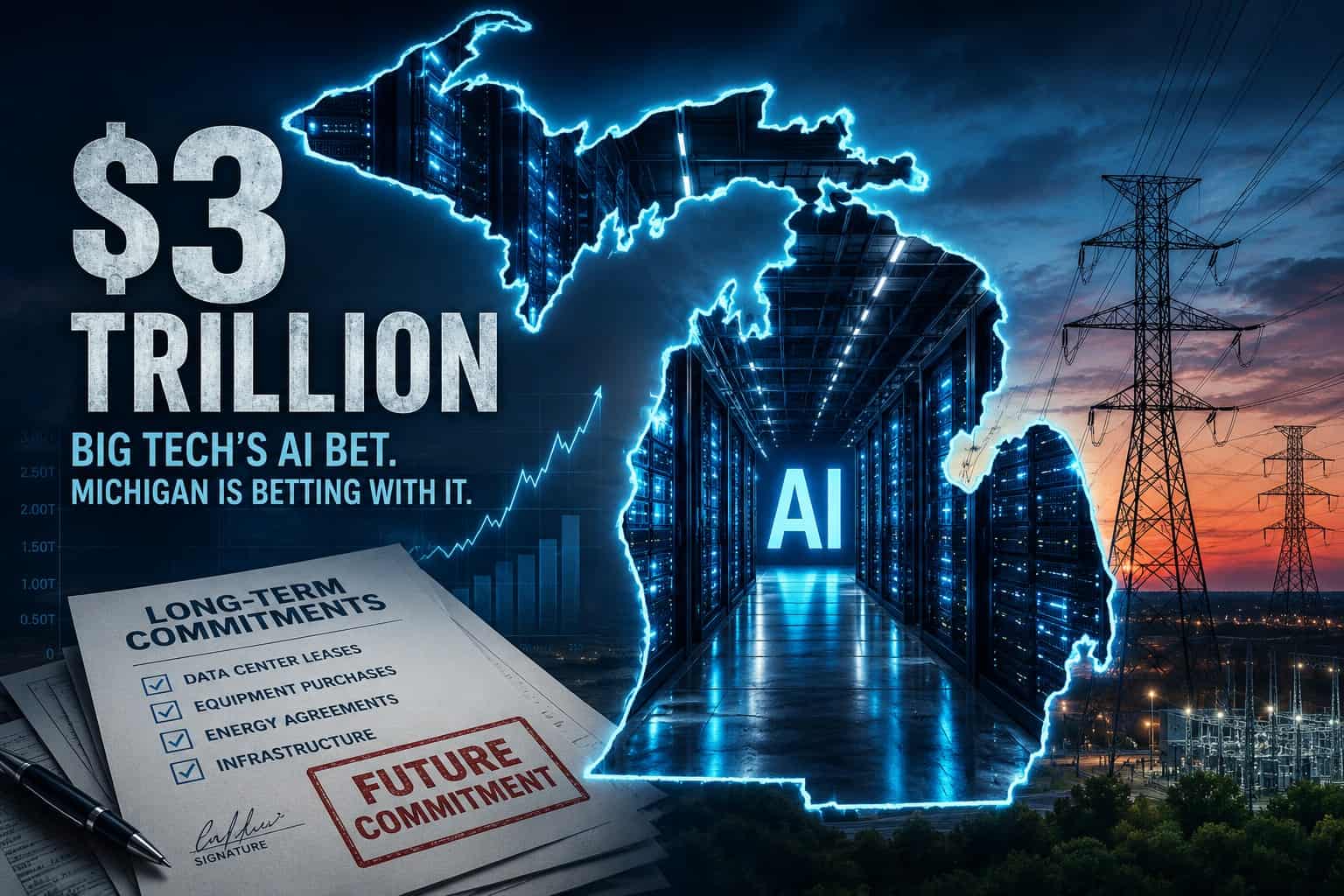
The concern comes as technology giants race to build facilities capable of supporting artificial intelligence applications that require enormous amounts of electricity.
Michigan Facing Similar Questions
Michigan is now confronting many of the same issues.
The Michigan Public Service Commission has approved special tariffs and service agreements designed to accommodate large-load customers such as data centers. Regulators have said those structures are intended to protect existing customers from subsidizing new facilities.
However, critics argue the long-term impacts remain uncertain.
Earlier this month, Attorney General Dana Nessel filed testimony opposing portions of a proposed DTE Energy agreement related to Google’s planned data center development in Van Buren Township.
“Michiganders are already facing an energy affordability crisis and should not have to pay a single penny to service a data center,” Nessel said in a June 11 filing.
Nessel’s office argues additional protections are needed to ensure residential customers are not left paying for future infrastructure investments required to support hyperscale data centers.
The filing reflects a growing concern among consumer advocates nationwide that utilities may eventually seek rate increases tied to transmission upgrades, generation capacity expansions and grid modernization projects driven by data center demand.
Utilities See Benefits For Consumers
Utilities offer a very different perspective.
DTE Energy has argued that large data centers can actually help reduce pressure on residential rates because they bring significant new revenue to the electric system.
The utility recently announced plans to pause future electric rate increase requests for at least two years after major new data centers come online, citing anticipated affordability benefits from increased energy sales.
Supporters of data center development also point to potential economic benefits, including construction jobs, permanent technical positions and expanded local tax bases.
Michigan economic development officials view AI infrastructure as an important component of the state’s effort to compete for technology investment and position itself as a leader in advanced computing.
The Real Question: Who Pays?
The ultimate answer remains unclear.
Michigan regulators have approved frameworks intended to shield ratepayers from direct subsidies, but they have not publicly declared that residential customers are completely insulated from all future costs associated with data center-driven grid expansion.
That uncertainty is fueling a debate that is likely to intensify as more projects seek approval.
For Michigan homeowners already coping with inflation, rising insurance costs and concerns about future utility bills, the issue boils down to a simple question:
Will the AI boom help lower electric costs by bringing more revenue into the system, or will consumers ultimately be asked to help pay for the infrastructure needed to power it?
Ohio is already wrestling with that question. Michigan appears to be next.
MITechNews will follow up this week with the Michigan Public Service Commission to determine whether regulators believe current safeguards fully protect residential ratepayers from future data center-related infrastructure costs.