ANN ARBOR—For weeks, Michigan residents have endured sweltering temperatures, high humidity and steadily rising electric bills as air conditioners worked overtime to keep homes cool.
Now, a new national report suggests that summer heat is only part of a much bigger challenge.
According to a Bloomberg News report carried by Yahoo Finance, America’s aging electric grid is approaching a potential “tipping point” as utilities struggle to meet growing demand from both extreme weather and a rapidly expanding fleet of artificial intelligence data centers.
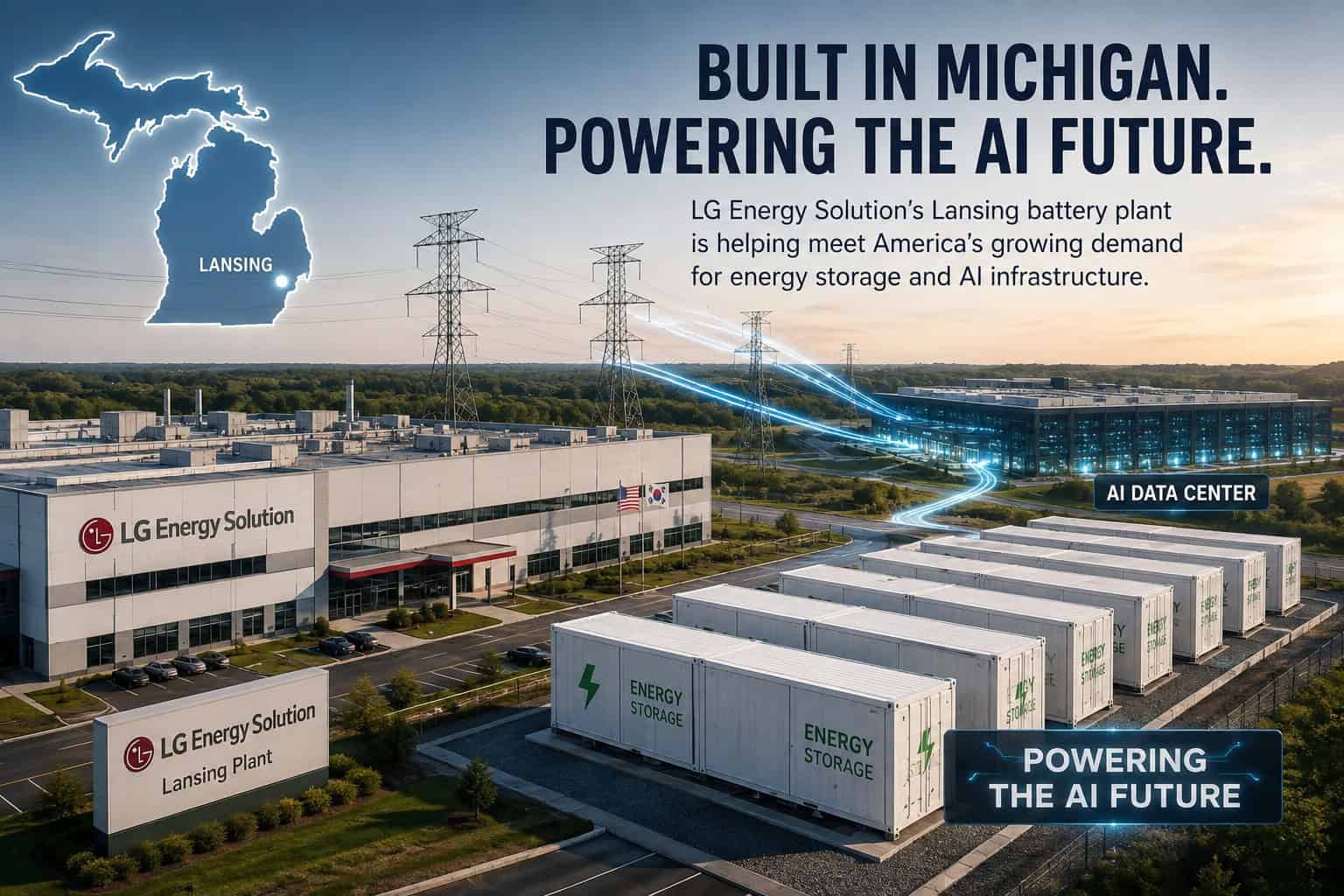
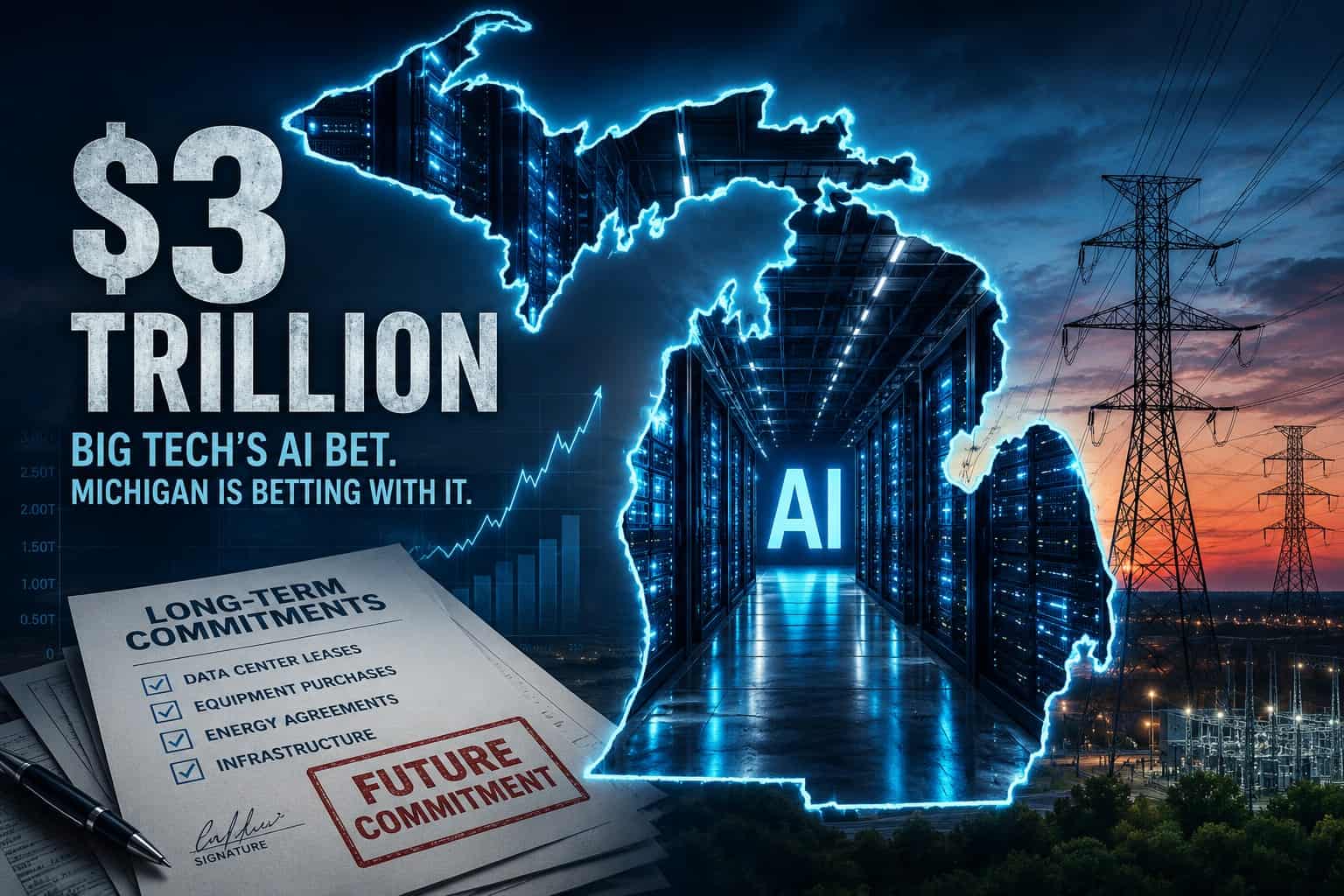
While much of the national discussion has focused on states already hosting large AI campuses, the issue has immediate implications for Michigan, where policymakers are actively recruiting hyperscale data centers and billions of dollars in AI-related investment.
The biggest example is Oracle’s proposed hyperscale data center campus in Saline Township, a project expected to become one of the largest AI computing facilities in the Midwest.
Michigan’s Peak Electricity Hours
DTE Energy
- Higher residential rates: 3 p.m. to 7 p.m. weekdays
Consumers Energy
- Summer peak rates: 2 p.m. to 7 p.m. weekdays
These pricing programs are designed to reduce electricity demand during the hours when the electric grid experiences its greatest stress.
Michigan Already Is Feeling The Pressure
This summer has provided Michigan residents with a reminder of just how heavily the state depends on its electric grid during periods of prolonged heat.
As temperatures climbed into the 90s and humidity remained stubbornly high, hundreds of thousands of homes relied on air conditioning for days at a time. Utilities have repeatedly urged customers to reduce electricity use during the hottest parts of the day when demand reaches its highest levels.
Many Michigan customers are already paying higher electric rates during those peak-demand hours.
DTE Energy’s standard residential time-of-day pricing charges higher rates between 3 p.m. and 7 p.m. on weekdays, while Consumers Energy’s summer time-of-use rate generally applies from 2 p.m. to 7 p.m. on weekdays. The goal is simple: encourage customers to shift electricity use to evenings or weekends when demand on the grid is lower.
Those hours also happen to be when many people return home from work, lower the thermostat, prepare dinner and begin using more electricity.
The pricing programs underscore an important reality.
Michigan’s electric grid is already under its greatest stress during late afternoon and early evening on hot summer days.
AI Adds A New Layer Of Demand
Artificial intelligence data centers operate very differently than homes or office buildings.
Instead of experiencing large swings in electricity use throughout the day, AI computing facilities often operate around the clock, consuming enormous amounts of electricity every hour of every day.
Nationally, utilities and regional grid operators are warning that this constant demand—combined with record summer temperatures, new manufacturing plants and the growing adoption of electric vehicles—will require significant investments in generation, transmission lines and substations.
Those investments raise an increasingly important question for Michigan residents:
Who ultimately pays for the new infrastructure?
Oracle Provides A Michigan Case Study
Oracle’s planned Saline Township campus illustrates both the opportunity and the challenge.
The company has said the project will receive its primary electricity through the regional electric grid rather than from an on-site power plant. Oracle also has stated it will pay for the transmission and interconnection upgrades necessary to connect the campus to the grid, while emergency diesel generators would provide backup power if electricity service is interrupted.
Company officials have maintained that those investments mean the project should not increase residential electric bills.
Even so, questions remain.
Consumer advocates and regulators continue to debate whether future transmission projects, additional electric generation or long-term grid improvements required by large data centers could eventually affect other utility customers.
Those questions are expected to become more important as additional AI data center proposals emerge across Michigan.
More Than Just Building Enough Power
The debate extends beyond whether utilities can simply generate more electricity.
Experts say the challenge also involves strengthening transmission lines that carry electricity across the state, expanding substations that distribute power into communities and ensuring neighborhood electrical systems can safely handle increasing demand.
In other words, having enough electricity available statewide does not necessarily guarantee that power can be delivered where it is needed during periods of extreme demand.
That distinction becomes especially important during prolonged heat waves when electricity consumption surges across entire regions simultaneously.
The Michigan Question
State leaders have made attracting AI investment a priority because data centers create construction jobs, expand the tax base and help position Michigan as a technology leader.
Those benefits are significant.
But so are the infrastructure requirements.
As Michigan competes for billions of dollars in AI investment, policymakers, regulators, utilities and consumers will increasingly have to answer difficult questions.
Can the electric grid keep pace?
Who should pay for expanding it?
Will large industrial customers bear the full cost of the infrastructure they require?
Or will some of those costs eventually be shared by residential and small-business customers already facing higher electric bills?
Those questions are likely to shape Michigan’s energy policy long after this summer’s heat wave ends.