ANN ARBOR – On June 1, millions of customers served by DTE Energy and Consumers Energy moved onto seasonal “time-of-use” electric rates that charge more for electricity during periods of highest demand.
The pricing structure is designed to reduce stress on the electric grid during hot summer afternoons. But it also means households that run air conditioners, clothes dryers, dishwashers, electric ovens or electric vehicle chargers during peak hours could see noticeably higher monthly bills.
The change comes as Michigan residents continue coping with higher costs for groceries, housing, insurance and utilities.
Higher Prices During Peak Hours
Consumers Energy customers now pay higher rates for electricity used between 2 p.m. and 7 p.m. weekdays. DTE Energy’s peak pricing period runs from 3 p.m. to 7 p.m. weekdays.
The timing coincides with the hottest part of the day when air conditioners are running at maximum capacity and families are returning home from work, preparing dinner, doing laundry and charging electric vehicles.
Consumers Energy’s summer peak rate is approximately 24.5 cents per kilowatt-hour compared with about 19.7 cents during off-peak periods.
Utilities argue that time-of-use pricing encourages customers to shift some activities to evenings and weekends, reducing demand on the grid and lowering the need for additional power plants and infrastructure.
For many consumers, however, avoiding electricity use during peak periods can be challenging.
A family arriving home at 5 p.m. on a 90-degree day may have little choice but to run the air conditioner, cook dinner and perform other routine household activities.
Utility Bills Could Keep Rising
The return of summer peak pricing comes as Michigan utilities continue seeking billions of dollars for infrastructure improvements.
DTE Energy earlier this year received approval for a rate increase worth hundreds of millions of dollars annually and has since filed another rate request seeking additional revenue from customers.
Consumers Energy also continues investing heavily in grid modernization, renewable energy projects and system upgrades.
While utilities argue the investments will improve reliability and reduce outages, critics question whether ratepayers can continue absorbing higher costs year after year.
Could AI Data Centers Push Costs Higher?
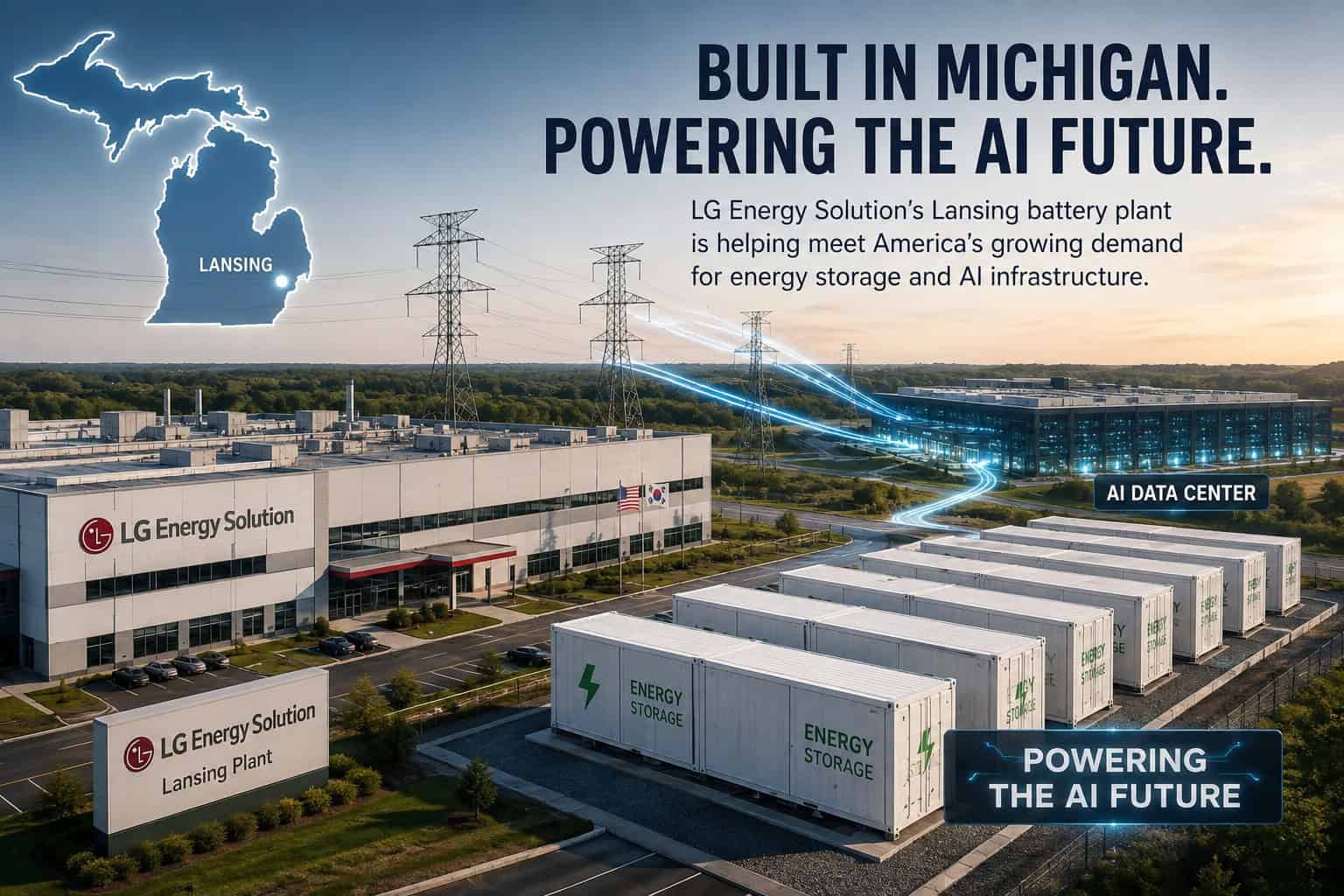
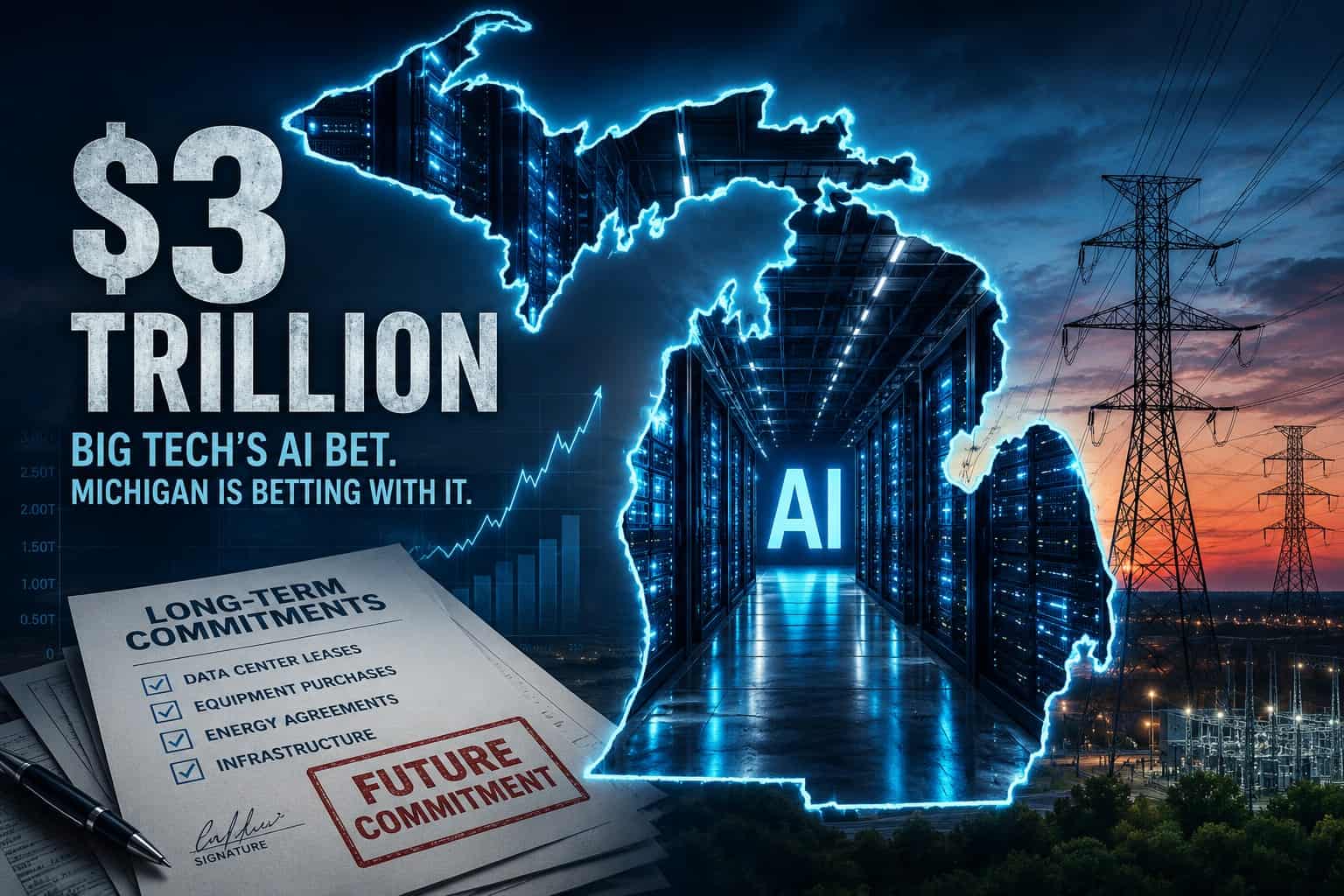
Another emerging concern involves the enormous electricity demands of artificial intelligence data centers.
Large-scale data center projects proposed in communities including Saline Township and Van Buren Township could require significant new power generation, transmission lines and substations.
Supporters argue the facilities will create jobs, attract investment and help position Michigan as a Midwest technology hub.
Critics worry that accommodating massive new electricity users could eventually increase costs for residential customers if utilities are required to build additional infrastructure.
The issue has become one of the most contentious energy debates currently facing Michigan regulators and local governments.
As the state pursues economic development opportunities tied to AI, electric vehicles and advanced manufacturing, policymakers are increasingly being asked how those investments will affect household electric bills.
How To Lower Your Summer Electric Bill
Energy experts recommend several ways to reduce the impact of summer peak pricing:
- Run dishwashers after 7 p.m.
- Wash and dry clothes later in the evening
- Charge electric vehicles overnight
- Pre-cool homes before peak periods begin
- Use ceiling fans to reduce air-conditioning demand
- Avoid operating multiple large appliances simultaneously during peak hours
Even small adjustments can generate noticeable savings over the course of a four-month summer season.
The Bigger Question
For some households, summer peak pricing may increase monthly costs by only a few dollars.
For larger families, homes heavily dependent on air conditioning and electric vehicle owners, the impact could be considerably greater.
The broader issue facing Michigan consumers is whether electricity costs will continue rising as utilities invest in new transmission lines, renewable energy projects, grid modernization programs and infrastructure needed to support emerging industries.
As Michigan competes to attract advanced manufacturing, electric vehicles and AI data centers, many residents are asking a simple question:
How much more will they be expected to pay for the power needed to fuel the state’s economic future?