
State collected $73.4 million through July; proposal comes as cannabis businesses face falling prices and Michigan’s governor’s race enters its final week.
LANSING — A Michigan Republican lawmaker wants to suspend the state’s controversial 24% wholesale marijuana tax for one year after state financial records showed just $73.4 million in collections through July, raising questions about revenue for road repairs and the financial future of Michigan’s $3 billion cannabis industry.
State Rep. Jay DeBoyer, Republican gubernatorial candidate John James’ running mate, announced October 22 that he plans to introduce legislation suspending the tax for 12 months.
The proposal comes as Michigan cannabis businesses struggle with historically low marijuana prices, shrinking profit margins and intense competition.
It also comes one week before Michigan’s November 3 gubernatorial election, with Democratic nominee Jocelyn Benson leading James in recent statewide polls.
Marijuana Tax Revenue Trails Projections
Michigan’s State Budget Office July financial report recorded $73.4 million in wholesale marijuana tax collections through July 31.
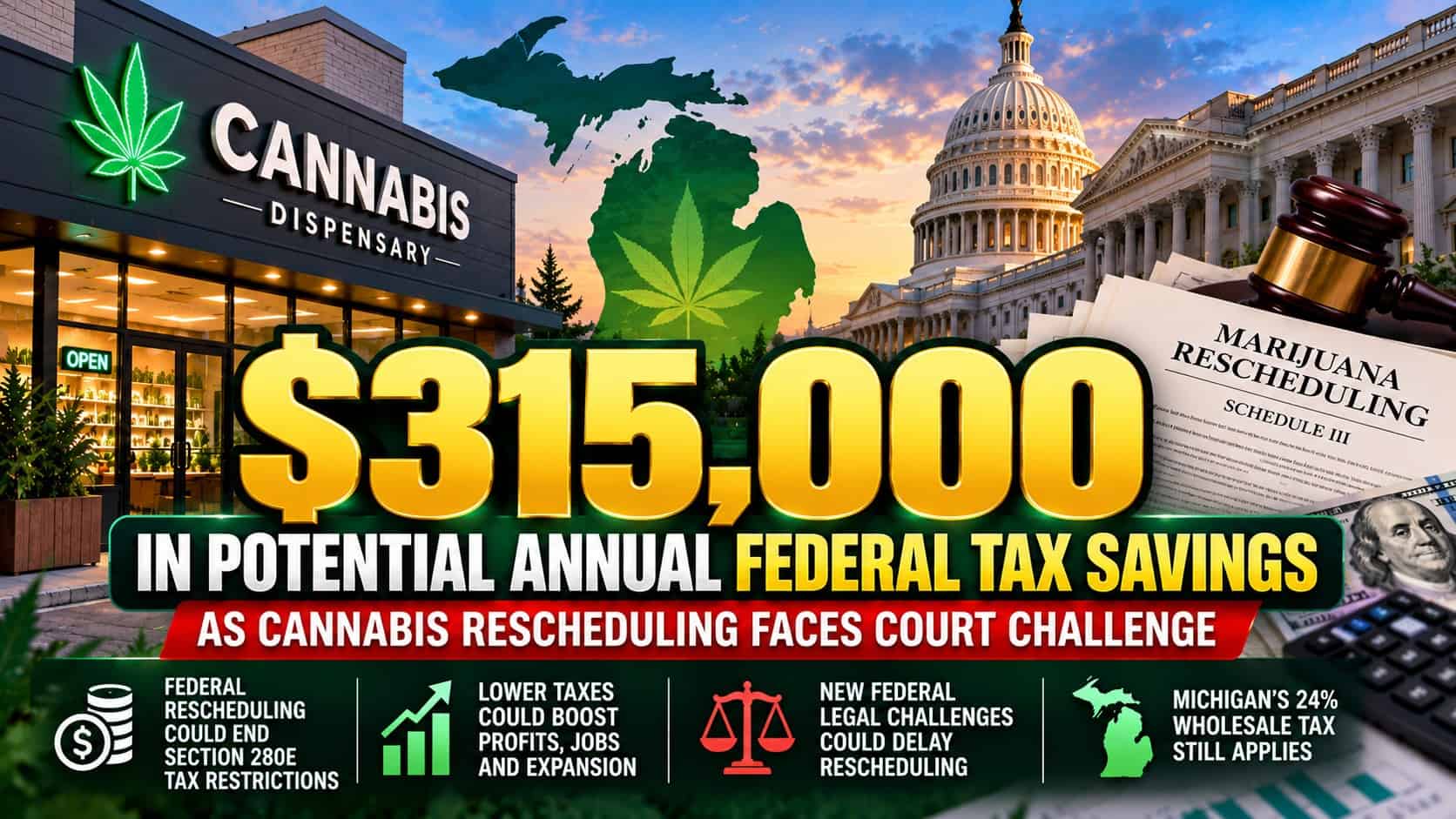
An original fiscal analysis projected approximately $420.7 million annually. The state’s July report listed a separate $315 million forecast for fiscal 2026.
Those figures indicate collections are below the pace implied by the projections, although differences in reporting periods and payment schedules complicate comparisons.
The Michigan Department of Treasury’s third-quarter payment deadline was October 20, covering July through September. Updated collections had not been independently confirmed by MITechNews as of Tuesday morning.
Under Treasury’s 2026 transition rules, qualifying businesses can pay at least 75% of their quarterly tax liabilities and receive penalty and interest relief if they file the required returns and pay remaining balances by January 20, 2027.
That means collections may not represent the full amount ultimately owed.
DeBoyer Calls Tax Ineffective
In his October 22 announcement, DeBoyer described the wholesale tax as ineffective and punitive.
“The tax is generating tens of millions of dollars less in revenue than what was projected,” DeBoyer said.
He also argued that the tax encourages illegal marijuana sales and creates financial hardship for licensed businesses.
DeBoyer acknowledged supporting the broader road funding legislation but said the wholesale marijuana tax needed reconsideration.
His proposal would suspend the tax for 12 months while lawmakers evaluate its effectiveness.
The legislation had not been formally introduced when he announced the proposal. The tax remains in effect.
Michigan Marijuana Businesses Face Financial Pressure
Michigan’s legal cannabis market generated approximately $3.2 billion in sales during 2025, down from approximately $3.3 billion in 2024, according to state Cannabis Regulatory Agency figures.
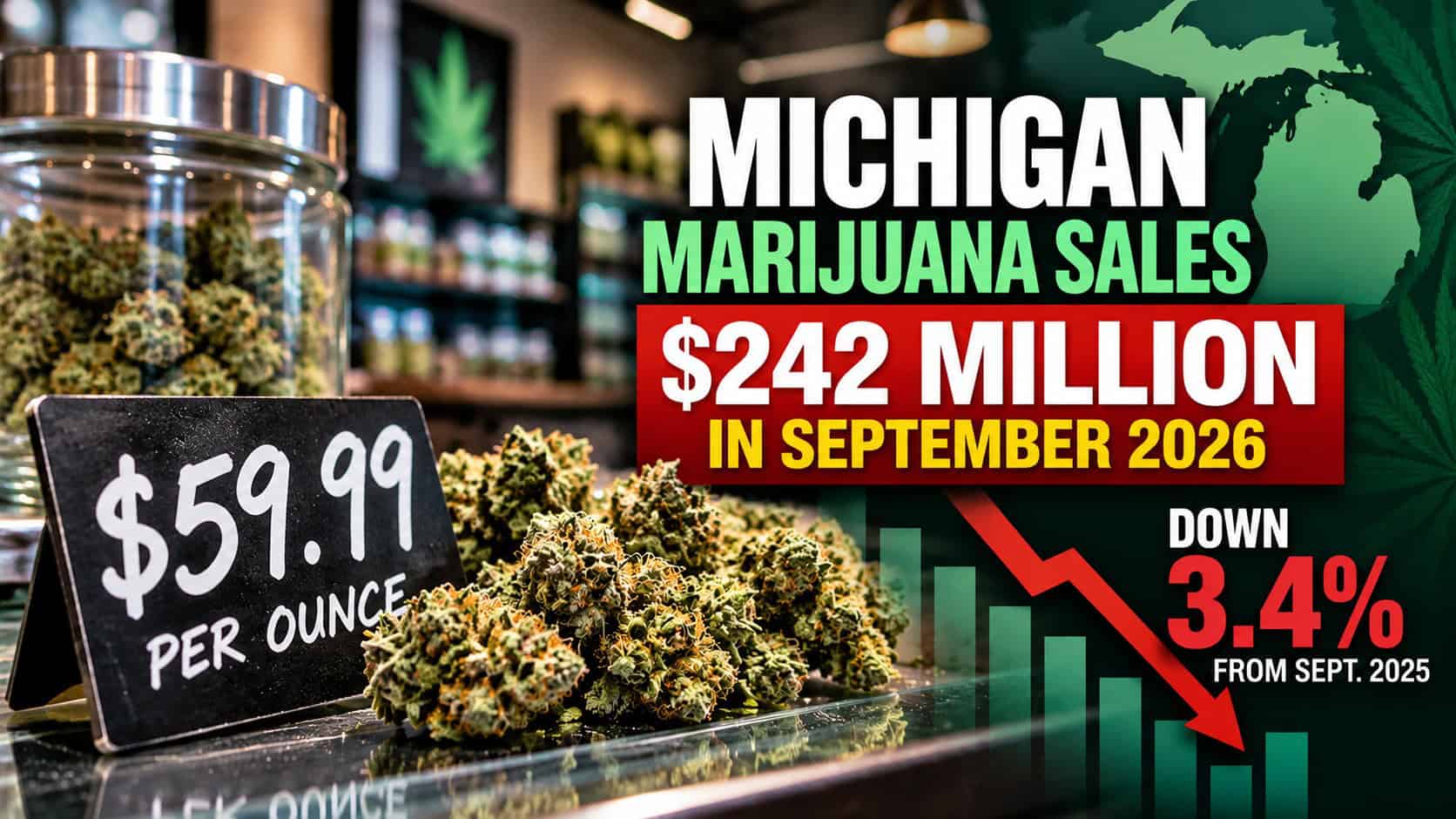
The average retail price of an ounce of recreational marijuana has fallen to approximately $60, squeezing revenue for growers, processors and dispensaries.
The wholesale tax adds another financial obligation to an industry already experiencing oversupply and consolidation.
Michigan also imposes a 10% recreational marijuana excise tax and a 6% state sales tax.
Because the taxes apply at different stages and to different tax bases, the percentages cannot simply be added together to determine a consumer’s effective tax burden.
Industry representatives argue that the additional wholesale tax could accelerate business closures, eliminate jobs and make legal products less competitive with unlicensed marijuana.
However, Michigan’s cannabis industry faced falling prices and business consolidation before the wholesale tax took effect January 1, 2026. The tax’s independent economic impact remains uncertain.
Proposal Comes As Benson Leads Governor’s Race
The tax debate has become an issue in Michigan’s gubernatorial campaign.
A Michigan State University poll released October 26 showed Benson leading James 53.3% to 40.9% among likely voters.
A separate WDIV/Detroit News poll released October 27 showed Benson ahead 51.4% to 44.5%. The survey of 600 likely voters had a margin of error of four percentage points.
James has pledged to repeal or substantially reduce the wholesale tax if elected.
Benson has taken a more cautious position, saying policymakers need additional information about collections, the industry’s financial condition and the use of tax revenue before deciding whether changes are warranted.
The Michigan Cannabis Industry Association has endorsed James, citing his position on the wholesale tax.
What Happens To Michigan Road Funding?
The wholesale marijuana tax was enacted as part of Michigan’s broader road funding package.
Suspending it could provide financial relief to licensed cannabis businesses but would also remove a planned source of revenue for roads and bridges.
Lawmakers would have to determine whether to replace that funding, reduce planned infrastructure spending or identify another source of revenue.
The proposal also faces an uncertain legislative path.
Separately, bipartisan Senate Bill 810, introduced earlier this year, would repeal the wholesale tax legislation entirely.
Treasury Figures Could Shape Debate
The next development may come from the Michigan Department of Treasury.
Updated third-quarter collections could help determine whether marijuana tax receipts are approaching projections or continuing to trail expectations.
However, Treasury’s transition-year payment rules mean that reported collections alone may not reflect the total tax liabilities owed.
For Michigan cannabis businesses, the debate could determine whether operators receive temporary tax relief.
For lawmakers, the challenge is balancing the financial health of a multibillion-dollar industry against Michigan’s continuing need for road funding.