COLUMBUS – The fight over hemp-derived THC products is moving from statehouses to courtrooms, and Michigan businesses are watching closely.
Several hemp companies have filed lawsuits challenging Ohio Senate Bill 56, a law that restricts or bans many hemp-derived THC products, including popular THC-infused beverages sold in grocery stores, breweries and convenience stores. Industry groups argue the law could destroy a legal business sector while pushing consumers toward state-licensed marijuana dispensaries.
For Michigan hemp operators, the Ohio legal battle may offer a glimpse of what could soon unfold in Lansing and Washington, D.C., where lawmakers and regulators are considering new restrictions that could dramatically reshape the hemp-derived cannabinoid market.
Billions Of Dollars And Hundreds Of Michigan Jobs At Stake
The legal battle extends far beyond hemp gummies and THC beverages.
According to a widely cited analysis by Whitney Economics, the U.S. hemp-derived cannabinoid industry generates more than $28 billion in annual demand, supports approximately 328,000 jobs and contributes more than $79 billion in total economic activity nationwide. Workers in the sector earn an estimated $13 billion annually in wages.
Industry advocates say those numbers have continued to grow as consumers increasingly embrace hemp-derived THC beverages, CBD wellness products and other cannabinoid products.
While no comprehensive economic impact study exists for Michigan’s hemp cannabinoid sector, Blain Becktold, president of iHemp Michigan, said hundreds of Michigan jobs could be at risk if state and federal restrictions continue tightening.
“The CBD industry and the billions of dollars it generates yearly will be lost,” Becktold said. “Workers in the industry will lose their jobs.”
Becktold said the impact would extend beyond manufacturers and retailers to consumers who rely on hemp-derived products for sleep, pain management, relaxation and overall wellness. “The ones that will be affected the most will be the consumers that find CBD products help with their daily living,” he said.
U.S. Hemp Cannabinoid Industry
-
$28 billion annual market demand
-
328,000 jobs supported
-
$13 billion annual wages
-
$79 billion total economic impact
-
Hundreds of Michigan jobs potentially at risk, according to iHemp Michigan
-
THC beverages are among the fastest-growing segments of the hemp market
Ohio Becomes The Testing Ground
Ohio’s Senate Bill 56 significantly tightened restrictions on intoxicating hemp products and prompted immediate legal challenges from businesses that say the law threatens their ability to operate.
The lawsuits reflect a growing national debate over how hemp-derived products should be regulated following the legalization of industrial hemp under the 2018 Farm Bill.
Supporters of tighter restrictions argue that intoxicating hemp products should be regulated similarly to marijuana and that stronger oversight is needed to protect consumers, particularly minors.
The hemp industry agrees that products should not be sold to children but argues lawmakers are going too far.
“A very simple fix to this problem would be age gating to purchase CBD products,” Becktold said. “This process is already in place for many other products that are not appropriate for minors.”
Becktold said such an approach would allow parents and guardians to determine whether hemp-derived products are appropriate for their families while preserving access for adults who rely on them.
“iHemp Michigan is in support of minors not having access to products that are not appropriate for their use,” he said.
Michigan Facing Similar Debate
Michigan lawmakers have already begun considering restrictions on hemp-derived products, including limits on allowable THC levels in CBD products.
Becktold said iHemp Michigan opposes legislation approved by the Michigan Senate that would reduce the amount of THC allowed in many CBD products.
“It’s unfortunate that legislators have to come with stupid laws that will most certainly affect the people that find relief and comfort from using CBD products,” he said.
According to Becktold, many consumers use full-spectrum CBD products because the small amount of naturally occurring THC works alongside other cannabinoids to create what is commonly referred to as the “entourage effect.”
He argues that reducing THC limits too far could render many products ineffective.
“Like many states Michigan is also developing ridiculous restrictions on CBD and the THC levels in those products, making most CBD products ineffective for the benefit consumers are looking for,” Becktold said.
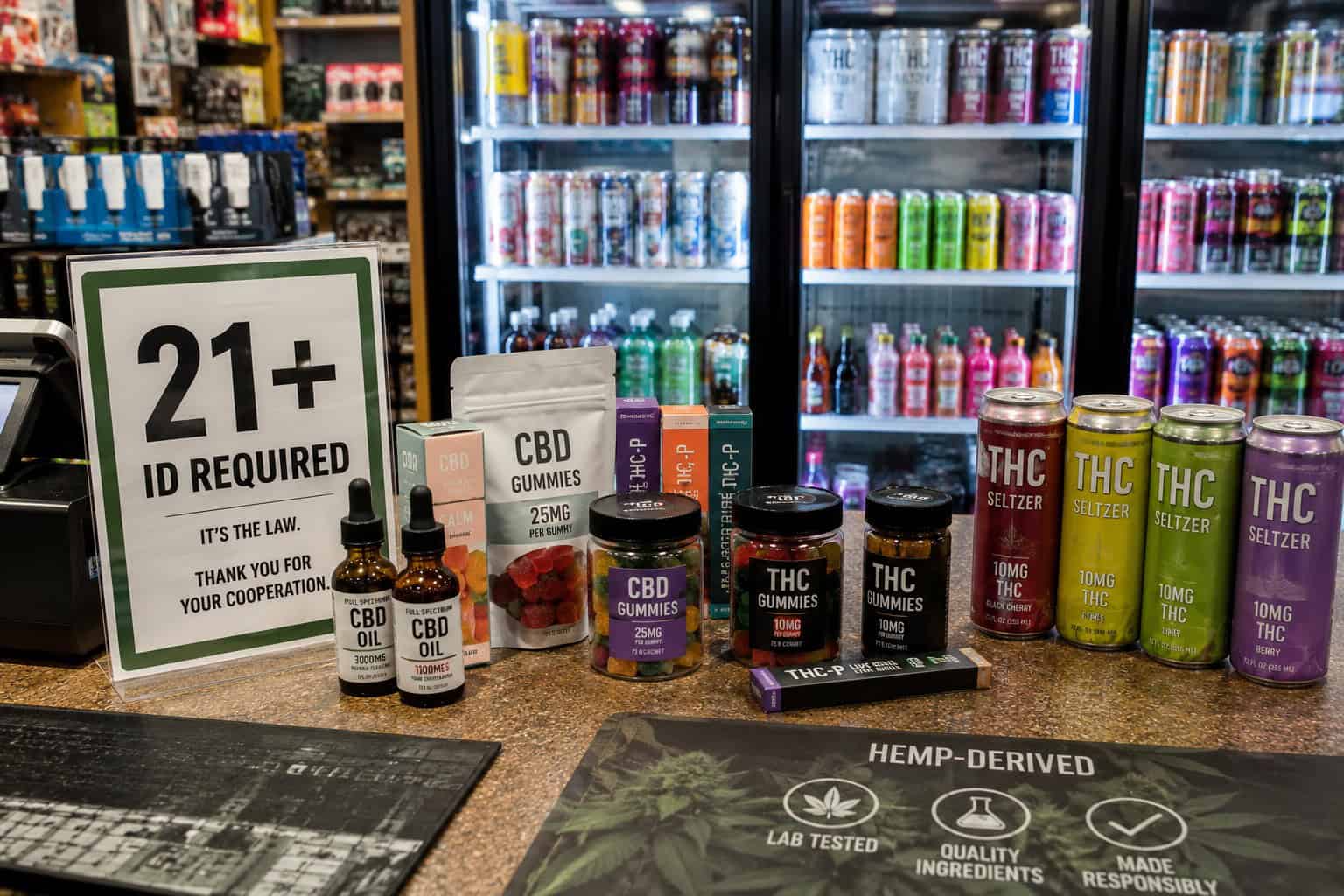
Products potentially affected by future state or federal restrictions include:
- CBD tinctures
- Full-spectrum CBD products
- CBN sleep products
- Hemp-derived THC beverages
- Delta-8 THC products
- Delta-9 hemp gummies
- Wellness and recovery products sold outside dispensaries
Industry Wants Federal Rules, Not State-By-State Restrictions
One of the hemp industry’s biggest frustrations is the lack of consistent federal regulations.
The U.S. Food and Drug Administration has yet to establish a comprehensive regulatory pathway for CBD products, leaving states to develop their own rules.
“The CBD and industrial hemp industries have asked FDA to provide a pathway so that hemp products can be regulated and consumers can be assured the products are made to acceptable manufacturing standards,” Becktold said.
Instead, businesses face a growing patchwork of regulations that vary dramatically from state to state.
“A patchwork of state regulations makes it difficult if not impossible for manufacturers to comply with all the different regulations,” he said.
Industry advocates argue that inconsistent state rules increase costs, reduce product availability and create uncertainty for both manufacturers and consumers.
Federal Crackdown Looms
The stakes could become even higher later this year.
Congress and federal regulators are considering changes that hemp industry groups warn could significantly narrow the definition of legal hemp and eliminate many products currently sold nationwide.
Supporters say the changes are needed to close loopholes that have allowed intoxicating hemp products to proliferate with limited oversight.
Critics counter that federal action could wipe out a multibillion-dollar industry that supports farmers, manufacturers, retailers and distributors across the country.
The debate has intensified as Congress considers provisions that hemp advocates say could effectively eliminate many hemp-derived cannabinoid products currently sold legally across the United States.
Consumers Could Feel The Biggest Impact
While much of the debate has focused on regulations and business interests, Becktold believes consumers ultimately have the most at stake.
Many people use CBD products to help manage pain, inflammation, anxiety, sleep issues and other quality-of-life concerns. Others have embraced hemp-derived THC beverages as an alternative to alcohol.
As Ohio’s lawsuits move through the courts and Michigan lawmakers continue debating new restrictions, consumers, businesses and regulators are all waiting to see whether the future of hemp products will be shaped by state governments, Congress or the federal courts.
For Michigan’s hemp industry, the outcome could determine whether a growing market remains widely available to consumers or becomes subject to many of the same restrictions governing marijuana products today.