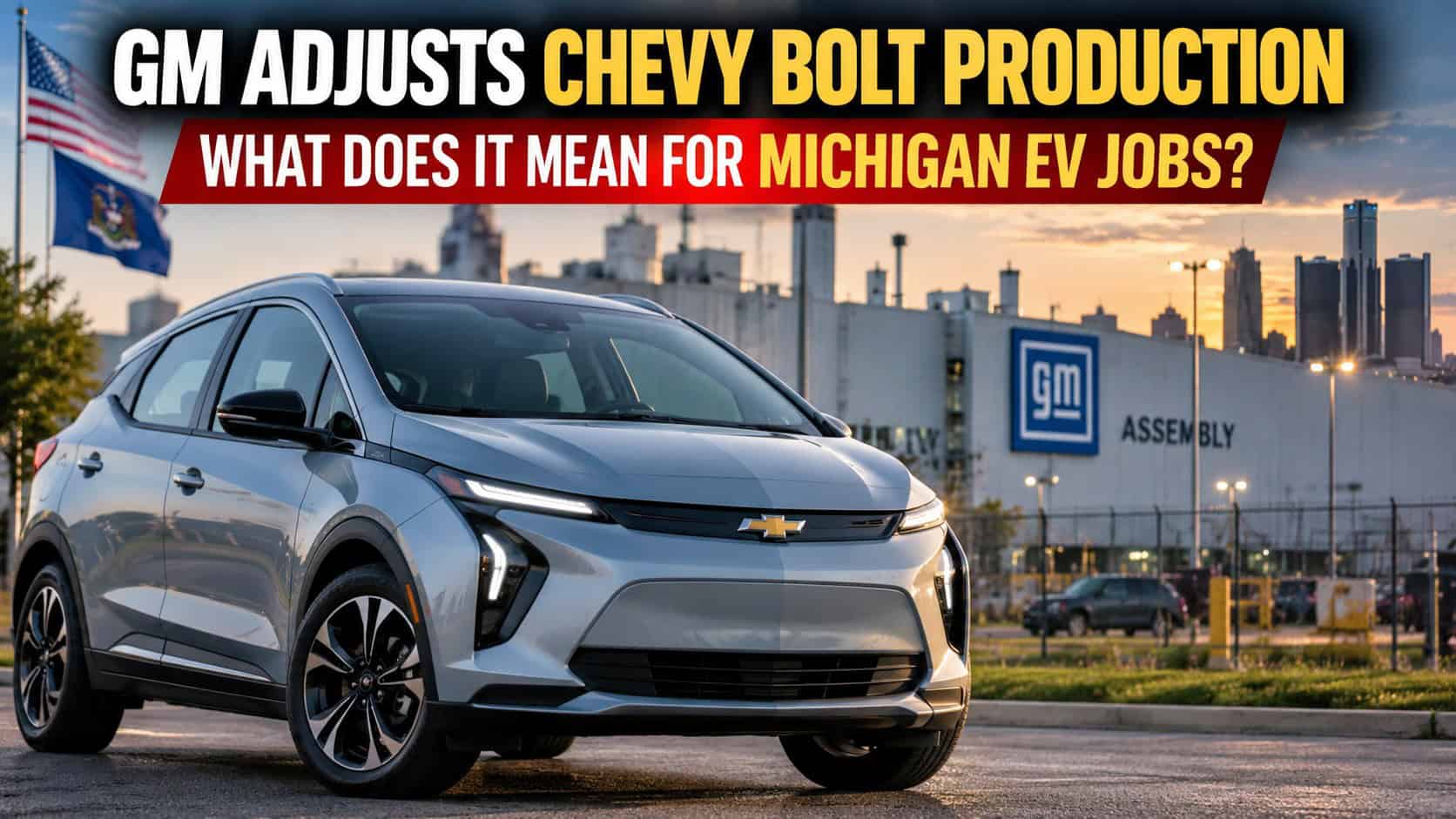
GM CEO tells investors the automaker is building new revenue streams that could create opportunities for suppliers, startups and high-tech workers.
DETROIT – When General Motors CEO Mary Barra spoke with Wall Street investors during the company’s second-quarter earnings call last week, she delivered a message that could have significant implications for Michigan’s economy.
GM’s future growth, she suggested, won’t depend solely on selling more cars and trucks.
Instead, the Detroit automaker is expanding into new businesses—from defense and software to energy systems and subscription services—in an effort to create multiple revenue streams that can fuel long-term growth regardless of fluctuations in the automotive market.
For Michigan workers, suppliers and technology companies, that strategy could open doors that barely existed a decade ago.
Companies that once had little chance of doing business with GM—from artificial intelligence startups and cybersecurity firms to robotics developers and cloud software companies—may increasingly find opportunities as the automaker evolves from a traditional manufacturer into a diversified technology company.
One of the clearest examples of that strategy emerged this week with reports that GM is pursuing a new U.S. Army contract to build next-generation military pickup trucks, adding defense to a growing list of businesses the company hopes will complement its core automotive operations.
A Different Growth Strategy
For more than a century, General Motors generated most of its revenue by designing, manufacturing and selling automobiles.
That business remains the company’s foundation, but Barra has increasingly emphasized businesses that generate recurring revenue or open entirely new markets.
GM already earns subscription revenue through OnStar and Super Cruise. The company has invested heavily in electric vehicle charging infrastructure, commercial fleet technology, battery systems and energy storage. Defense now appears to be another pillar of that broader diversification strategy.
For investors, the goal is straightforward: build a company that isn’t entirely dependent on the cyclical nature of automobile sales.
Why Michigan Should Care
The implications extend far beyond General Motors.
As automakers diversify, so do their supplier networks.
Historically, GM relied primarily on companies that produced steel, plastics, engines, transmissions and thousands of other automotive components.
Tomorrow’s supply chain may look dramatically different.
Future suppliers could include companies specializing in artificial intelligence, autonomous vehicle software, cybersecurity, cloud computing, robotics, advanced sensors, battery management systems and data analytics.
That creates opportunities not only for Michigan’s traditional automotive suppliers, but also for startups and technology firms that may never manufacture a physical vehicle component.
Ann Arbor software companies, Detroit cybersecurity firms, Grand Rapids robotics developers and defense technology startups across the state could find themselves working alongside automakers as partners rather than traditional suppliers.
New Career Paths
The changing business model also could reshape Michigan’s workforce.
As companies like GM expand beyond manufacturing, demand may grow for software engineers, AI developers, cybersecurity specialists, data scientists, cloud architects, robotics engineers and systems integration experts.
Those careers often offer higher salaries and require different skills than traditional manufacturing positions, creating new opportunities for graduates from Michigan universities and community colleges as well as experienced workers looking to transition into technology-focused roles.
The result may be an automotive industry that still builds vehicles in Michigan, but increasingly depends on software, digital services and advanced technologies to remain competitive.
Part Of A Larger Corporate Trend
GM is hardly alone.
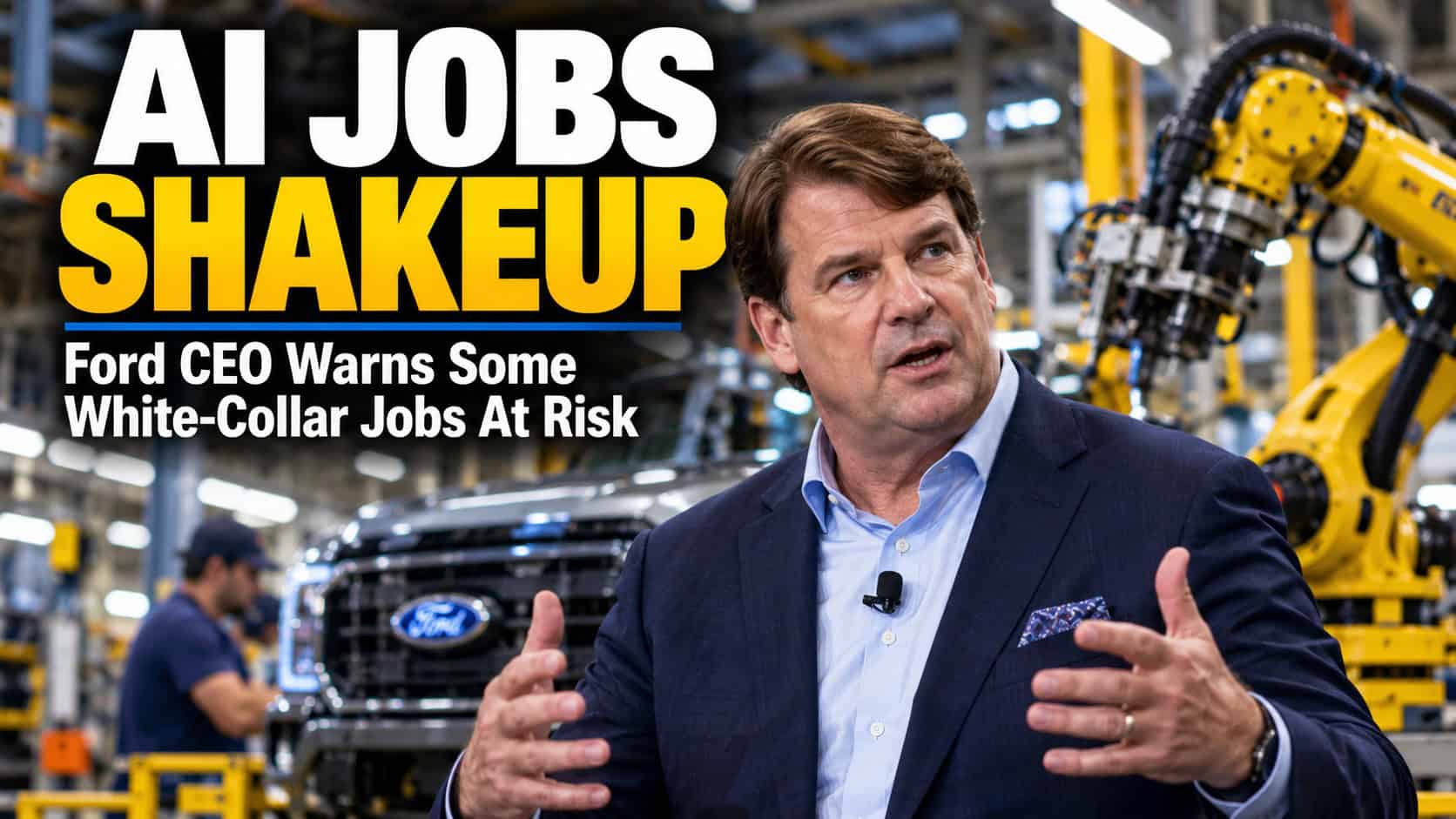
Ford Motor Co. is also expanding its defense business while investing heavily in connected vehicle technology, software and commercial fleet services.
Across corporate America, many household names have diversified beyond their original businesses.
Amazon evolved from an online retailer into a cloud computing giant through Amazon Web Services while building multibillion-dollar advertising and healthcare businesses.
Apple generates billions annually from digital subscriptions and financial services in addition to iPhone sales.
John Deere increasingly sells precision agriculture software alongside tractors, while Caterpillar has expanded into predictive maintenance and digital fleet management.
The common strategy is clear: create multiple sources of recurring revenue while reducing dependence on a single line of business.
Michigan’s Next Economy?
For Michigan, the shift raises larger questions.
If automakers increasingly become technology, defense and energy companies as well as manufacturers, how will that reshape the state’s economy?
Will tomorrow’s suppliers be AI startups instead of stamping plants?
Will defense become a larger part of Michigan’s industrial base?
Will software engineers become as critical to the automotive industry as mechanical engineers?
Those questions could help define Michigan’s economy over the next decade.
Over the coming week, MITechNews will explore those issues through interviews with economists, automotive executives, suppliers, technology entrepreneurs, workforce development leaders and industry analysts to examine whether Michigan is entering the next chapter of its manufacturing legacy—one driven as much by software, artificial intelligence and defense technology as by the automobile itself.
Five Questions This Series Will Answer
- Could AI startups become the next generation of automotive suppliers?
- How many new jobs could GM’s diversification strategy create in Michigan?
- Which Michigan companies are already supplying defense, AI and software to automakers?
- What skills will workers need as the industry evolves?
- Could this transformation make Michigan less dependent on automobile sales alone?