ANN ARBOR — A federal judge’s decision to temporarily block enforcement of portions of Ohio’s new hemp law has renewed a debate that Michigan’s licensed cannabis industry has been making for years: Should businesses selling intoxicating THC products compete under two very different regulatory systems?
While Ohio hemp companies celebrated a temporary courtroom victory, many Michigan marijuana businesses say they remain subject to extensive licensing requirements, mandatory laboratory testing, seed-to-sale tracking and millions of dollars in taxes while competing against some hemp-derived intoxicating products sold under a less restrictive legal framework.
The ruling allows several Ohio companies challenging Senate Bill 56 to continue selling certain hemp-derived THC products while their lawsuit proceeds. Although the decision applies only to the plaintiffs, it highlights a growing conflict between state marijuana laws and the federal legalization of hemp that could influence future regulatory battles across the country—including in Michigan.
Why This Matters To Michigan
- More than $3 billion in annual cannabis sales.
- Approximately 45,000 jobs supported by the industry.
- Hundreds of millions of dollars generated annually in cannabis-specific state and local tax revenue.
- Local governments receive marijuana tax distributions that many communities use to help fund roads, infrastructure improvements, public safety and other essential services.
- The Ohio lawsuit could influence future legal challenges involving hemp regulation in other states, including Michigan.
- If consumer spending shifts away from Michigan’s regulated marijuana market, it may reduce cannabis-specific tax collections that support state and local governments.
Billions Of Dollars Are At Stake
The stakes extend well beyond the cannabis industry.
Michigan’s licensed marijuana market generates more than $3.2 billion in annual sales, supports an estimated 45,000 jobs, and contributes hundreds of millions of dollars annually in marijuana excise taxes, sales taxes and other state and local revenue that help fund road repairs, schools, public safety and revenue-sharing payments to local governments.
Industry leaders say every regulatory decision affecting hemp-derived intoxicating products may influence where consumers spend their money—and ultimately how much tax revenue flows through Michigan’s regulated cannabis system.
Ohio Lawsuit Could Have Broader Implications
Ohio lawmakers approved Senate Bill 56 to tighten restrictions on intoxicating hemp-derived products sold outside the state’s licensed marijuana system.
Ten hemp companies sued in federal court, arguing portions of the law violate constitutional protections governing interstate commerce by restricting products legalized under the federal 2018 Farm Bill.
A federal judge concluded the plaintiffs demonstrated a likelihood of success on some of their claims and issued a temporary restraining order preventing enforcement against those companies while the lawsuit proceeds.
The decision does not invalidate Ohio’s law, but it is one of the most significant legal challenges yet involving state regulation of intoxicating hemp products.
Michigan Businesses Say The Playing Field Isn’t Level
Michigan’s licensed cannabis businesses operate under one of the nation’s most comprehensive regulatory systems.
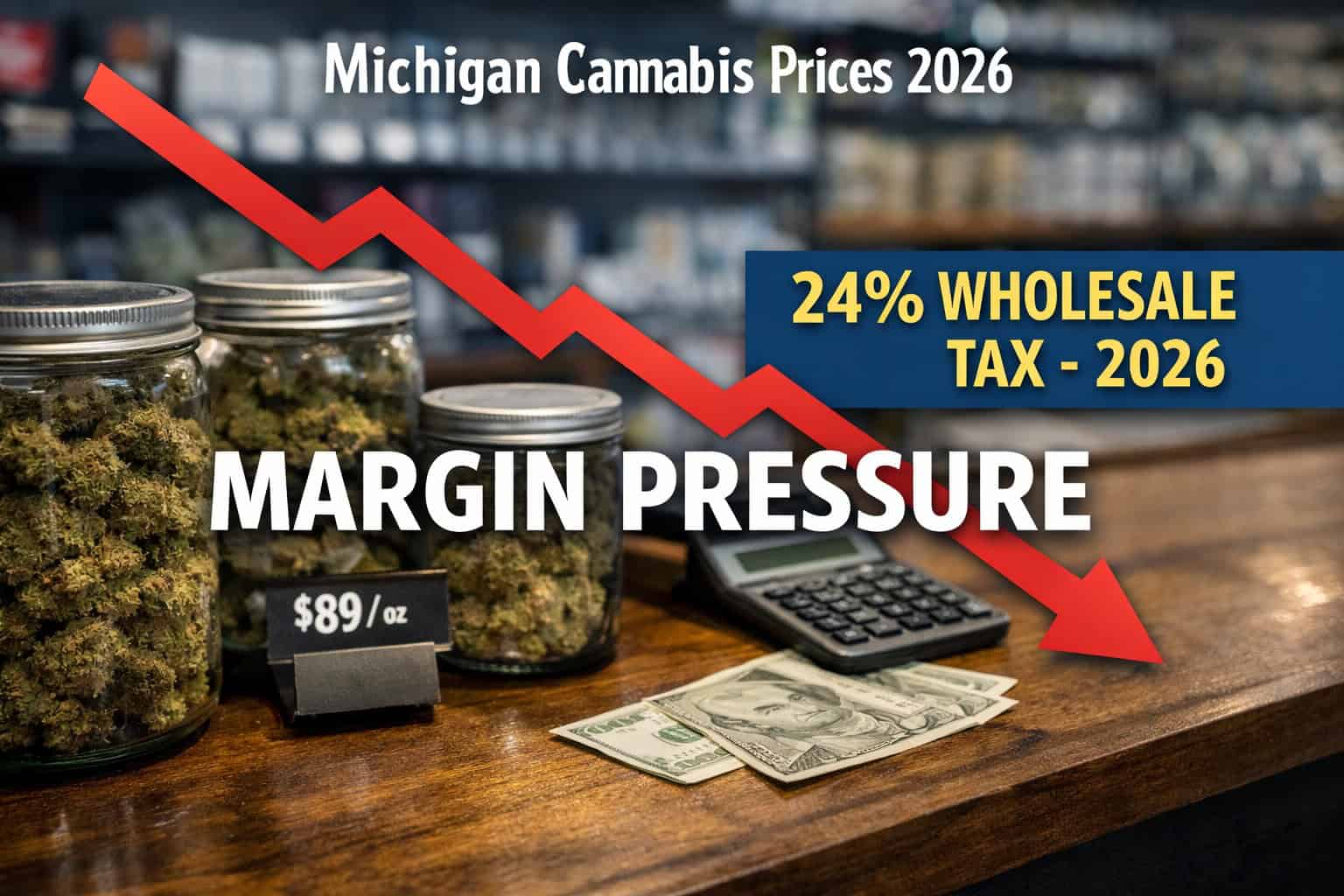
Dispensaries, cultivators and processors must obtain state licenses, undergo background investigations, submit products to mandatory laboratory testing, track every plant through the state’s seed-to-sale monitoring system, comply with strict packaging and labeling rules, and pay substantial state and local taxes—including Michigan’s new 24 percent wholesale cannabis tax.
Many licensed operators argue they are competing against businesses selling intoxicating hemp-derived products that are not always subject to the same requirements.
In a previous interview with MITechNews, Blain Becktold, president of iHemp Michigan, argued Congress intentionally legalized hemp through the 2018 Farm Bill and said states should focus on product safety, testing and age restrictions rather than broad prohibitions. He has also said the growing patchwork of state hemp laws creates uncertainty for legitimate businesses operating across multiple states.
One Plant, Two Different Regulatory Systems
Both marijuana and hemp originate from the cannabis plant.
Federal law defines hemp as cannabis containing no more than 0.3 percent Delta-9 THC by dry weight.
Since passage of the 2018 Farm Bill, manufacturers have developed hemp-derived cannabinoids—including Delta-8 THC, Delta-10 THC and other compounds—that can produce intoxicating effects while falling within or near existing federal definitions of hemp.
That has created a regulatory challenge for states attempting to distinguish between products that may produce similar effects but fall under different legal classifications.
Michigan Moved Earlier Than Many States
Michigan addressed part of the issue in 2021 by placing Delta-8 THC and other intoxicating hemp-derived cannabinoids under the oversight of the Michigan Cannabis Regulatory Agency.
Most businesses selling those products must now operate within Michigan’s licensed cannabis system.
Even so, chemists continue developing new hemp-derived cannabinoids that regulators must evaluate individually, creating an ongoing challenge for lawmakers and enforcement agencies.
What’s Next For Michigan?
The Ohio case remains in its early stages, and the temporary restraining order applies only to the companies that filed suit.
Regardless of the outcome, legal experts expect additional challenges as states continue adopting different approaches to regulating hemp-derived cannabinoids.
For Michigan, the larger question extends beyond one Ohio lawsuit.
As new cannabinoid products continue entering the marketplace faster than legislatures can rewrite existing laws, policymakers will face increasing pressure to determine whether intoxicating hemp products and marijuana should continue operating under separate regulatory systems—or whether Congress and the states need to modernize cannabis laws to reflect today’s marketplace.