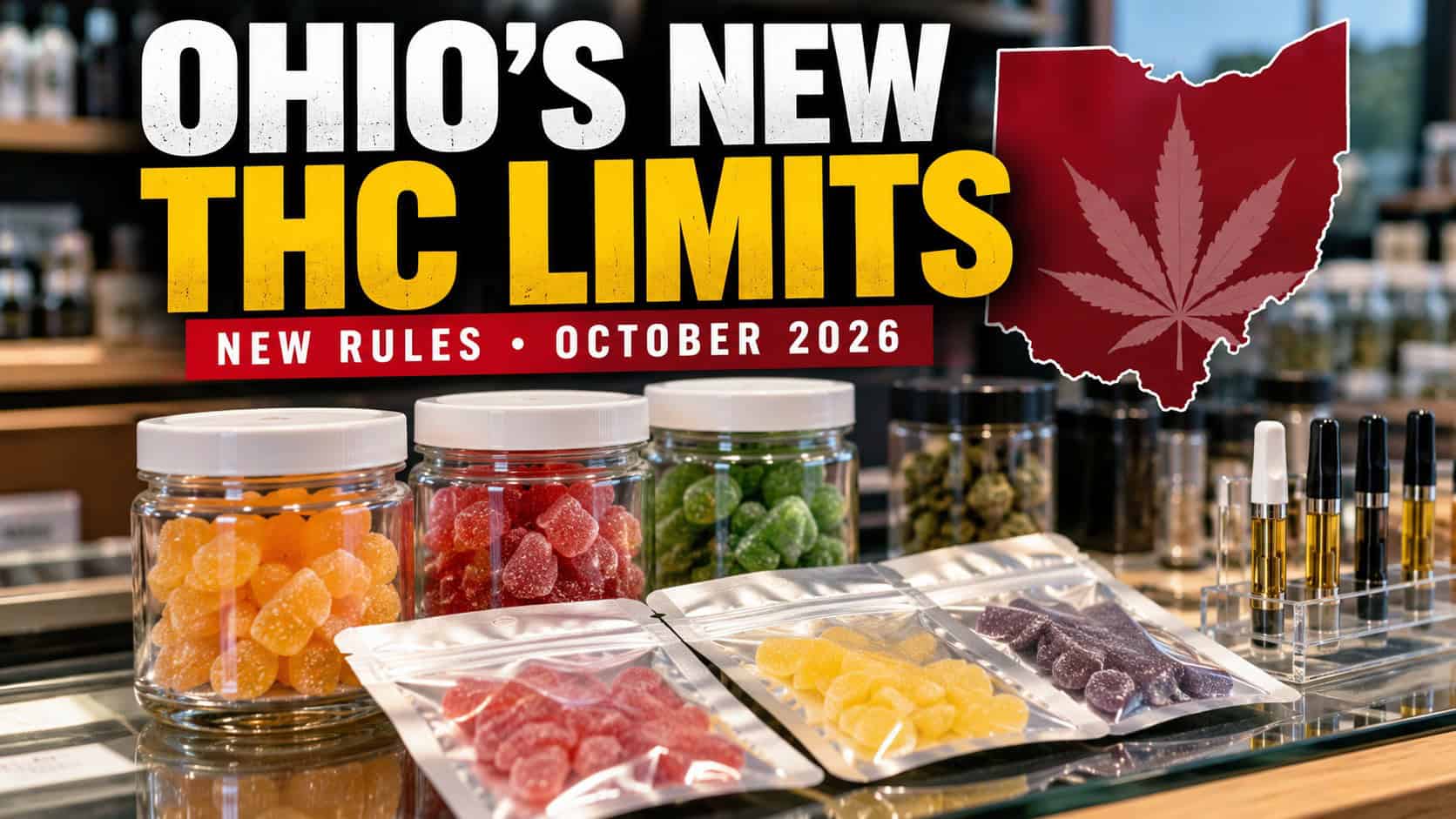
LANSING – The Trump administration is urging Congress to reconsider a sweeping federal crackdown on hemp-derived cannabinoid products, offering a potential reprieve to Michigan and Ohio businesses that warned the proposal could devastate an industry created under the 2018 Farm Bill. The White House hemp crackdown delay marks a major shift in how Washington is approaching the issue.
Rather than allowing broad restrictions scheduled to take effect Nov. 12, the White House is asking Congress to revise the legislation to ensure the “fair treatment of hemp products” while developing a more comprehensive regulatory framework.
Congress included the hemp restrictions to close what critics have called a loophole in the 2018 Farm Bill that allowed intoxicating hemp-derived THC products to be sold outside state-regulated marijuana dispensaries. The White House, however, is signaling that stronger regulation—not an outright ban—may be a better solution.
The debate over hemp regulation has now spanned two presidential administrations. Former President Joe Biden supported federal marijuana reform, including the effort to move marijuana from Schedule I to Schedule III, while his administration acknowledged the need for clearer federal oversight of hemp products created under the 2018 Farm Bill. The Trump administration is now signaling that it also favors stronger regulation of hemp-derived products, but through revised legislation rather than a sweeping prohibition.
For Michigan and Ohio, where CBD oils, gummies, beverages and other hemp products are sold through hundreds of convenience stores, smoke shops, wellness retailers and specialty CBD stores, the decision could determine whether many businesses remain open or are forced to remove products from their shelves.
Protecting Children While Preserving Access
Blain Becktold, president of iHemp Michigan, welcomed the White House action but stressed that the hemp industry also supports stronger safeguards to prevent minors from purchasing intoxicating hemp products.
“This is certainly good news for the CBD industry and for the people that use CBD for the benefit of the products,” Becktold said.
“It is important to stop the availability of intoxicating products to minors,” he said.
Becktold said requiring purchasers to be at least 21 years old—similar to alcohol and Michigan’s recreational marijuana laws—would address one of the public’s biggest concerns.
“Age gating seems to be an appropriate way to make sure minors cannot purchase these products,” he said. “Leave the responsibility to the parents to decide if these products are right for their family.”
Industry Wants Rules, Not Prohibition
Becktold said the hemp industry has spent years asking the FDA to establish clear regulations instead of leaving businesses in legal uncertainty.
“The industry has been asking the FDA to provide a pathway for CBD since 2018,” he said. “The FDA has refused to establish rules that would ensure the public has safe and reliable products.”
He said consumers who rely on CBD products for themselves, family members and even pets now have reason for cautious optimism.
“The customers that use the products for themselves, their family and their pets may now have hope that the products they use will continue to be available for use,” Becktold said.
Still, he cautioned that Congress has yet to settle the issue.
“The struggle is not over, but this would allow more time for discussion and sensible regulations to take place.”
Becktold argued lawmakers should learn from previous drug policy failures rather than repeating them.
“Have we not learned anything from the war on drugs?” he said. “Banning and placing strict penalties is not the answer.”
White House Hemp Crackdown Delay: A Debate Over Fairness
The White House position reflects an argument the hemp industry has made for years—that Congress should regulate hemp-derived cannabinoids instead of banning them outright.
Licensed cannabis businesses, however, have argued that intoxicating hemp products sold through convenience stores, gas stations and smoke shops compete unfairly because they generally are not subject to the same testing, licensing and taxation requirements imposed on marijuana sold through state-licensed dispensaries.
The White House proposal does not eliminate the possibility of stricter oversight. Instead, it suggests Congress should develop comprehensive rules governing product safety, manufacturing standards, labeling, consumer protections and age restrictions rather than effectively banning much of the hemp marketplace.
White House Hemp Crackdown Delay Raises High Stakes For Michigan And Ohio
Unlike marijuana products sold through Michigan’s Cannabis Regulatory Agency, hemp-derived products may be sold through convenience stores, gas stations, tobacco shops, wellness retailers and online merchants.
While Michigan does not maintain an official count of hemp retailers, CBD and hemp-derived cannabinoid products are sold through hundreds of businesses statewide. In Ohio, industry estimates indicate the hemp-derived cannabinoid market generates roughly $705 million annually and supports more than 8,000 jobs.
The pending legislation also could affect one of the fastest-growing segments of the beverage industry. Hemp-derived THC seltzers, sodas and other beverages have become a rapidly expanding alternative to alcoholic drinks, with U.S. sales exceeding $1 billion annually, according to industry research. Many of those products could be affected if Congress allows the Nov. 12 restrictions to take effect without revisions.
Supporters argue hemp businesses, retailers and beverage manufacturers would face significant disruption if Congress ultimately adopts a broad prohibition instead of creating a clear federal regulatory framework.
Cannabis Policy Debate Intensifies
The White House announcement comes just days before a major federal cannabis policy hearing begins Monday in Washington, D.C.
The DEA is scheduled to begin an administrative hearing on the proposal to move marijuana from Schedule I to Schedule III under the Controlled Substances Act. While that proceeding focuses on marijuana and the pending legislation addresses hemp-derived products, both reflect a broader federal effort to modernize cannabis policy after years of conflicting state and federal laws.
Together, the two developments could shape the future of both the regulated marijuana industry and the hemp sector for years to come.
Debate Far From Over
Even if Congress delays or rewrites the federal proposal, the debate over intoxicating hemp products is likely to continue.
Ohio lawmakers recently approved legislation tightening oversight of hemp-derived THC products, while Michigan lawmakers continue considering similar restrictions.
For many parents, the debate has become less about whether hemp-derived products should remain legal and more about whether lawmakers can prevent minors from purchasing intoxicating products while preserving access for responsible adults who use CBD and other hemp products.
Whether Congress ultimately chooses regulation or prohibition, the decision could reshape the hemp industry in Michigan and Ohio while determining whether thousands of retailers can continue selling hemp-derived cannabinoid products after Nov. 12.
Conclusion:
The White House hemp crackdown delay gives the industry a temporary reprieve. Businesses in Michigan and Ohio had warned a ban could cause real damage. However, industry leaders say they still support stronger age restrictions. Meanwhile, Congress has not yet settled the issue. For now, hemp retailers wait to see whether regulation or prohibition wins out.
FAQs:
1. Why did the White House push for a hemp crackdown delay?
The White House said it wants “fair treatment of hemp products” and favors stronger regulation over an outright ban.
2. How would the hemp crackdown affect Michigan and Ohio?
Hundreds of Michigan retailers and Ohio’s $705 million hemp market could lose products if the ban takes effect without changes.
3. Does the hemp industry support any restrictions?
Yes. Industry leaders support age-gating purchases to 21 and older but oppose a full prohibition.