ANN ARBOR — Congress is moving closer to approving restrictions that could reshape a hemp-derived cannabinoid market worth billions of dollars annually and potentially remove thousands of products from store shelves across Michigan, Ohio and the rest of the United States.
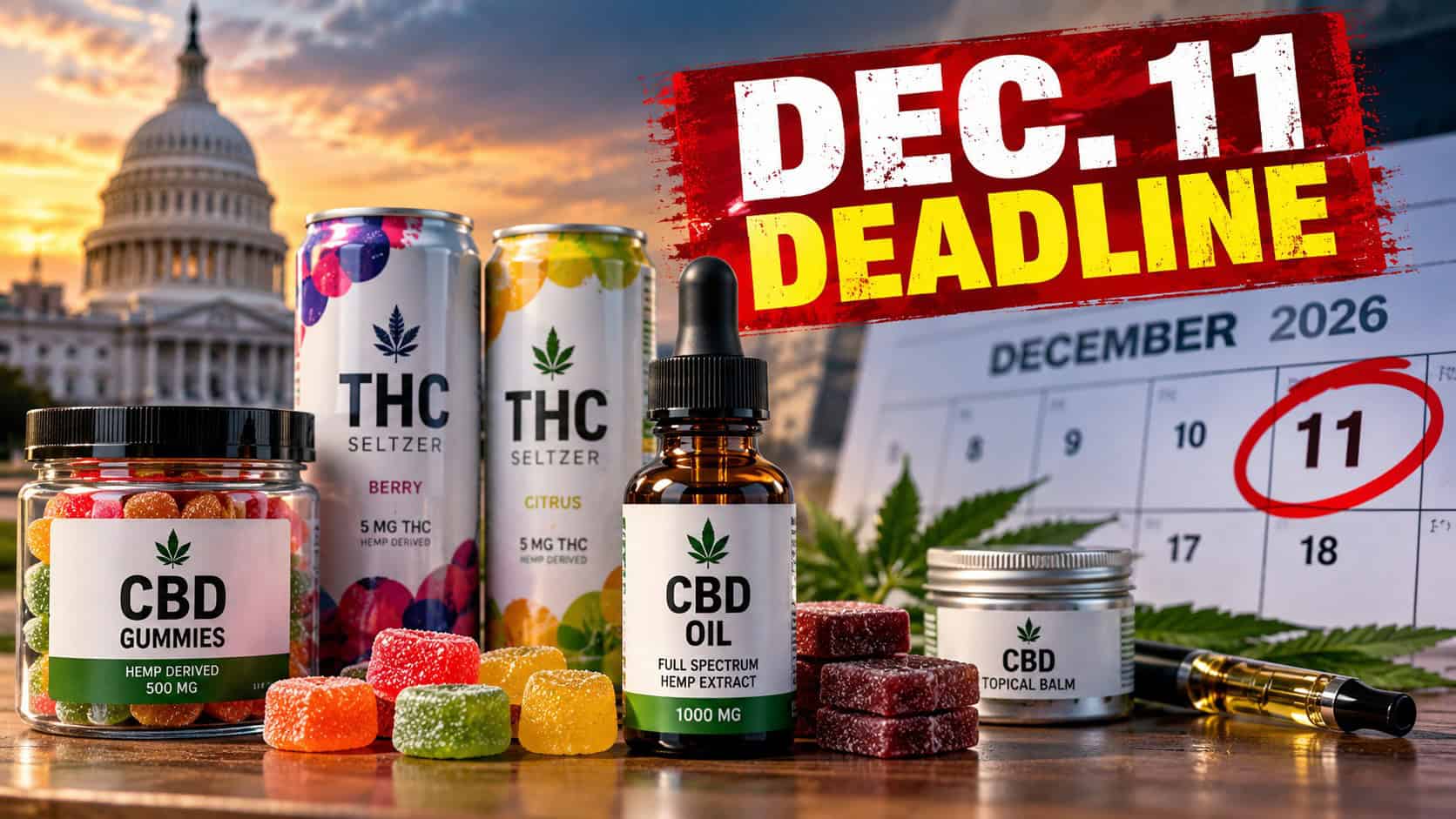
The proposed crackdown would not only affect popular products such as THCA flower, Delta-8 gummies and hemp-derived THC vapes. Industry advocates warn it could also eliminate many full-spectrum CBD products, CBN sleep aids, wellness tinctures and the fast-growing category of hemp-derived THC beverages now sold in grocery stores, bars, restaurants, convenience stores and beverage retailers.
For consumers, the stakes are personal.
Products used for sleep, relaxation, pain management and alcohol alternatives could become unavailable or significantly harder to find.
For businesses, the stakes are enormous.
Industry analysts estimate hemp-derived THC sales have grown into a market worth between $3.8 billion and $4.4 billion annually, while broader estimates place the intoxicating hemp market at nearly $20 billion a year. Some analysts estimate hemp-derived THC products now account for roughly 22 percent of all THC sales in the United States.
That makes the congressional battle less about hemp regulation and more about who controls one of the fastest-growing segments of the cannabis and beverage industries.
By The Numbers
What’s At Stake Nationally
- Hemp-derived THC sales estimated at $3.8 billion to $4.4 billion annually
- Broader intoxicating hemp market estimated at nearly $20 billion
- Hemp-derived THC products account for roughly 22% of all THC sales nationwide
- Hemp-derived THC beverage sales exceeded $1 billion in 2025
- THC beverage sales projected to surpass $4 billion by 2028
- Millions of Americans regularly purchase hemp-derived cannabinoid products
Why Congress Is Acting
The controversy stems from the 2018 Farm Bill, which legalized hemp containing less than 0.3 percent Delta-9 THC.
Entrepreneurs quickly discovered they could produce intoxicating products using hemp-derived cannabinoids such as Delta-8 THC, Delta-10 THC and THCA while remaining within the law’s technical definition of hemp.
The result was an explosion of products sold outside traditional state-regulated cannabis systems.
Supporters of the proposed restrictions argue the loophole has created a largely unregulated market where intoxicating products are often sold in gas stations, convenience stores and online with fewer safeguards than state-regulated marijuana products.
Critics argue Congress is overreacting and risks destroying an entire industry rather than targeting bad actors.
Follow The Money
While lawmakers emphasize public safety concerns, billions of dollars in sales are at stake.
The push to restrict hemp-derived THC products is being supported by an unusual coalition that includes licensed cannabis operators, some public health advocates and lawmakers concerned about youth access.
Opposing them are hemp growers, CBD manufacturers, wellness brands, beverage companies and consumers who rely on hemp-derived products.
The central question is simple:
Who wins if hemp-derived THC products disappear?
Michigan Cannabis Companies Could Benefit
Many Michigan cannabis operators have spent years arguing that hemp-derived THC products compete directly with licensed marijuana products while avoiding many of the taxes, testing requirements and regulatory costs imposed on dispensaries.
That frustration has intensified in 2026.
Michigan’s cannabis industry is already struggling with oversupply, historically low wholesale prices and the state’s new 24 percent wholesale marijuana tax.
If THCA flower, Delta-8 products and hemp-derived THC beverages disappear from the market, some industry observers believe at least part of those sales will migrate back to licensed dispensaries.
For operators facing shrinking margins, even a modest shift in consumer spending could provide meaningful relief.
Ohio cannabis operators are watching closely for similar reasons.
Ohio’s adult-use marijuana market continues to grow rapidly, but hemp-derived THC products remain widely available outside the state’s regulated cannabis system.
A federal crackdown could redirect some of those purchases toward licensed dispensaries.
State Governments Could Also Win
Michigan and Ohio collect substantial tax revenue from licensed marijuana sales.
Most hemp-derived THC products are sold outside those marijuana tax structures.
If consumers move spending from hemp-derived products into regulated dispensaries, both states could see higher cannabis tax collections.
Communities hosting licensed marijuana retailers could also benefit from increased sales activity.
The Hemp Industry Says It Faces Extinction
Hemp industry advocates argue Congress is attempting to solve a regulatory problem through prohibition.
They contend lawmakers should require age verification, product testing, manufacturing standards and labeling requirements rather than effectively banning products consumers already use.
Industry groups warn the proposed restrictions could eliminate much of today’s hemp-derived cannabinoid marketplace.
That includes products used by consumers seeking alternatives to prescription sleep medications, alcohol and traditional marijuana products.
THC Beverages May Be The Biggest Casualty
One of the fastest-growing segments of the market involves hemp-derived THC beverages.
Sales exceeded $1 billion nationally last year and are projected to grow rapidly over the next several years.
Major beverage companies, distributors, bars and retailers have invested heavily in products marketed as alternatives to beer, wine and spirits.
The category has become especially popular among consumers seeking low-dose social experiences without alcohol.
Industry executives warn many of those products could disappear under the proposed federal framework.
That has created unusual divisions within the alcohol industry.
Some traditional alcohol interests support tighter restrictions because THC beverages increasingly compete with beer and liquor sales.
Others have invested in the category and favor regulation rather than prohibition.
What Happens To CBD And CBN?
One of the largest concerns involves products many consumers do not consider intoxicating.
Full-spectrum CBD products often contain trace amounts of THC that work alongside other cannabinoids to create what researchers call the entourage effect.
Similarly, CBN products have become increasingly popular among consumers seeking natural sleep aids.
Industry advocates argue the proposed federal definitions could make many of these products commercially impractical even though they are marketed primarily for wellness purposes rather than intoxication.
That possibility has alarmed retailers, wellness companies and consumers who rely on those products.
What Happens Next
Congressional negotiators continue working through the legislation, and hemp industry advocates are making a final push to preserve at least part of the market.
If the restrictions survive the legislative process, businesses across the country could be forced to reformulate products, change business models or exit the market entirely.
For Michigan and Ohio, the outcome could reshape the competitive landscape for cannabis, hemp and beverage companies alike.
The ultimate question remains unanswered:
If hemp-derived products disappear, will consumers return to licensed dispensaries, or will they simply stop buying these products altogether?
The answer could determine the winners and losers in a market worth billions of dollars annually.