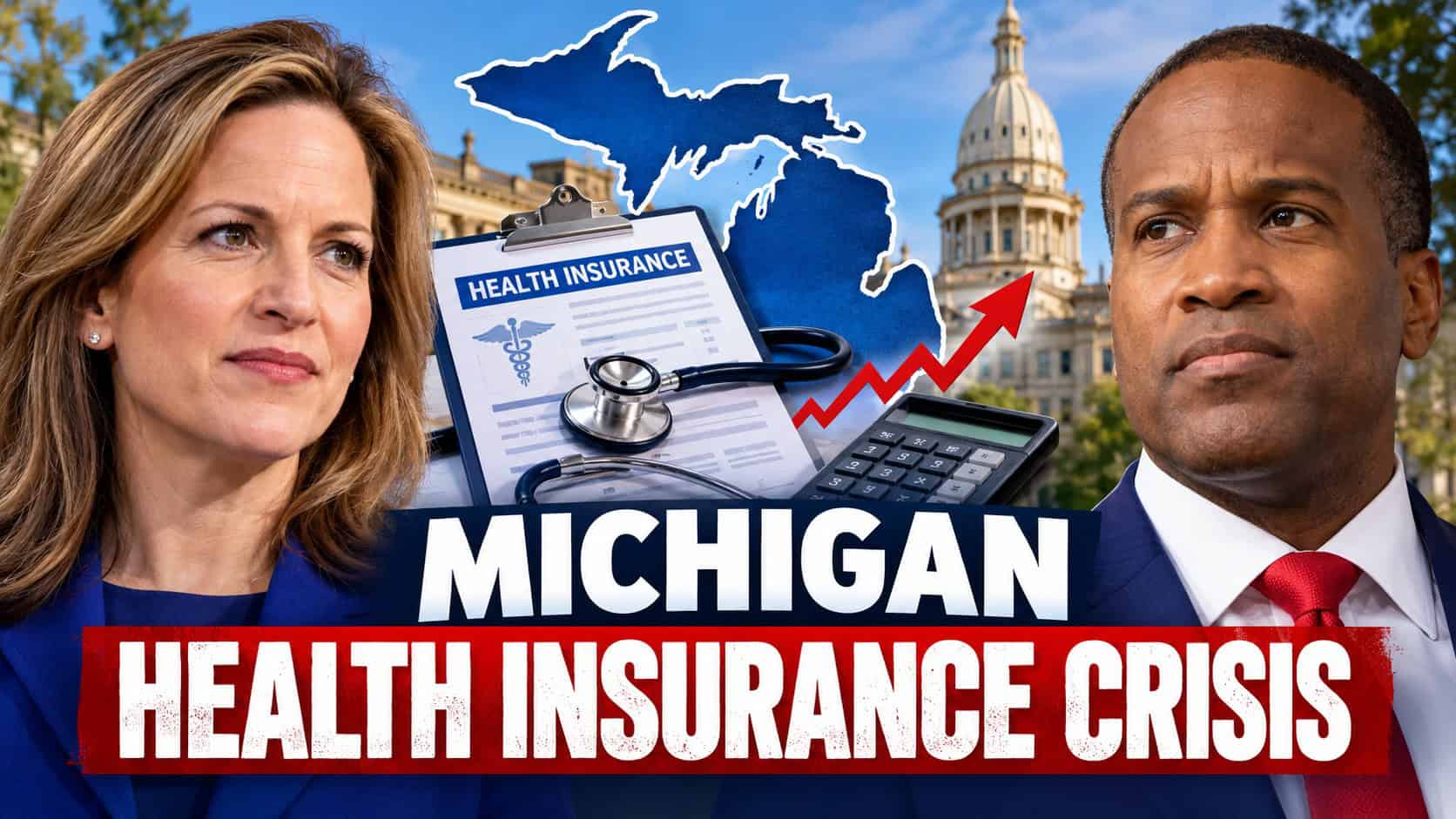
Attorney General Dana Nessel accuses Michigan’s largest health insurer of restricting competition and increasing costs for families, businesses and taxpayers. Blue Cross denies the allegations, and Michigan’s next attorney general will inherit the lawsuit in January.
LANSING — Michigan Attorney General Dana Nessel has filed a federal antitrust lawsuit against Blue Cross Blue Shield of Michigan, alleging the state’s largest health insurer illegally restricted competition and contributed to higher healthcare costs for Michigan families, businesses and taxpayers.
The lawsuit, filed Thursday, October 8, comes as Michigan households and employers face substantial increases in health insurance premiums.
According to official Michigan insurance-rate records, Blue Cross received approval for a 24% increase in individual-market premiums for 2026, while its small-group insurance premiums increased 11.2%.
Blue Cross disputes the state’s allegations, maintaining that Michigan has a competitive insurance marketplace.
The case also faces an important political transition. Nessel’s current term ends December 31, 2026. Michigan’s next attorney general will inherit the lawsuit and determine how the state proceeds, subject to applicable law and court procedures.
For Michigan residents, the lawsuit raises several important questions:
- Are families and employers paying more for health insurance because of insufficient competition?
- Did agreements among Blue Cross companies prevent Michigan businesses and state government from obtaining more competitive insurance bids?
- Has the insurer’s negotiating power contributed to financial pressure on Michigan hospitals and medical providers?
- Could Michigan taxpayers recover money if the state proves its allegations?
State Alleges Blue Cross Restricted Competition
The lawsuit, filed in U.S. District Court for the Eastern District of Michigan, accuses Blue Cross of participating in agreements with other Blue Cross Blue Shield organizations that allegedly divided geographic territories, restricted insurance offerings and limited competition for customers.
According to an American Medical Association study of health insurance competition cited by Nessel’s office, Blue Cross controls approximately 65% of Michigan’s health insurance market and 79% of its preferred provider organization, or PPO, market.
The Michigan Attorney General’s Office alleges these arrangements allowed Blue Cross to maintain excessive market power and charge higher premiums while negotiating lower payments to healthcare providers.
The complaint also alleges that restrictions on competition prevented the state government from obtaining more competitive bids for administering employee health insurance plans.
Nessel contends that these practices violated federal and Michigan antitrust laws.
The allegations have not been proven in court.
A company having a large share of a market does not, by itself, establish an antitrust violation. The state must demonstrate unlawful conduct under the legal standards applicable to its claims.
The attorney general is seeking monetary damages, civil penalties and a court order prohibiting the challenged practices.
Blue Cross Rejects Monopoly Allegations
Blue Cross Blue Shield of Michigan disputes the state’s characterization of its business practices and Michigan’s insurance marketplace.
In its initial public response to the lawsuit, the company said it was surprised by the legal action.
“We fundamentally disagree with the Attorney General’s characterization of an uncompetitive insurance market in Michigan,” Blue Cross said.
The insurer maintained that strong local and national insurance companies compete with it throughout Michigan.
Blue Cross also pointed to its nearly 90-year history of providing coverage in every Michigan county.
The company said it had not yet been formally served with the lawsuit when it issued its initial response and therefore could not address the complaint’s specific merits.
Blue Cross has not been found liable for any of the conduct alleged in the lawsuit.
Michigan Insurance Premiums Continue Rising
The lawsuit comes during a period of substantial health insurance premium increases across Michigan.
The Michigan Department of Insurance and Financial Services’ 2026 approved-rate report shows that Blue Cross’s individual-market premium increase was 24%, compared with a statewide average of 20.2%.
For small-group insurance, Blue Cross received approval for an 11.2% increase, compared with the statewide average of 11.1%.
These figures apply to specific insurance markets and do not represent premium changes experienced by every Blue Cross policyholder or employer.
They also demonstrate that rising premiums are occurring across Michigan’s insurance industry, not exclusively at Blue Cross.
Medical inflation, prescription drug costs, healthcare utilization and other factors can contribute to premium increases.
The state’s lawsuit alleges that insufficient competition has made healthcare more expensive, but the approved premium increases alone do not establish that unlawful conduct caused those increases.
Hospitals And Medical Providers Also Affected
The attorney general’s complaint also alleges that Blue Cross used its market position to negotiate reimbursement rates that placed financial pressure on Michigan hospitals, physicians and other healthcare providers.
Nessel’s office argues that some providers have been forced to reduce services, eliminate jobs or close facilities because of inadequate reimbursement.
Blue Cross disputes the state’s broader characterization of its competitive position and business practices. Its initial public statement did not specifically address the provider reimbursement allegations.
Reimbursement negotiations between insurers and healthcare providers involve competing financial interests.
Hospitals and physicians seek payments sufficient to cover operating expenses, while insurers negotiate reimbursement rates that affect the costs ultimately borne by policyholders and employers.
The lawsuit will require the state to establish whether the challenged conduct violated antitrust laws and caused the alleged financial harm.
Nessel Leaves Office December 31 — What Happens To The Lawsuit?
The timing of the lawsuit creates another question about its future.
Attorney General Dana Nessel, a Democrat serving her second term, is prohibited by Michigan’s term limits from seeking a third consecutive term. Her current term ends December 31, 2026.
Under Michigan’s Constitution, Article V, Section 21, the attorney general is elected to a four-year term.
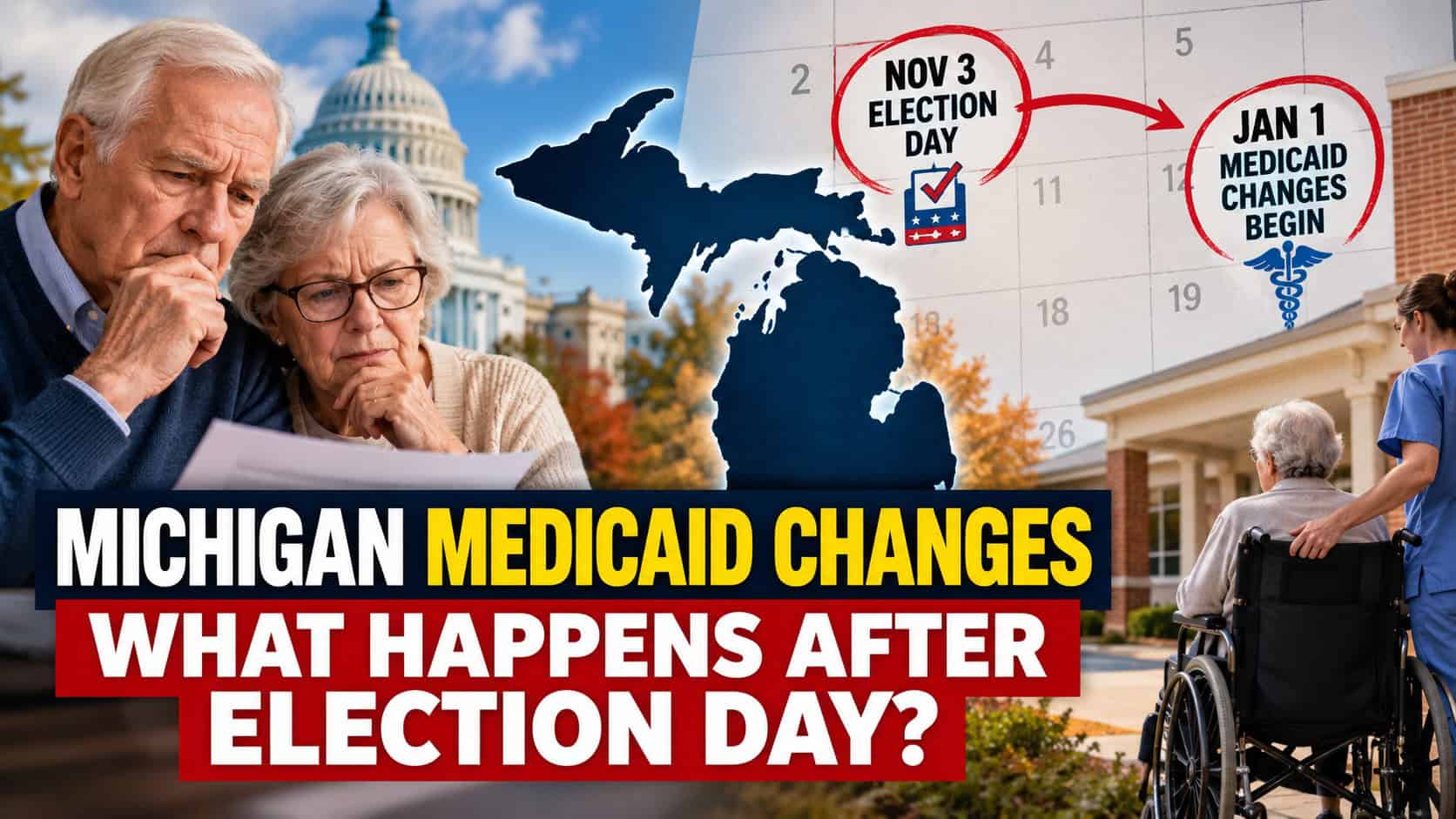
Michigan voters will choose Nessel’s successor in the November 3 general election. The major-party candidates are Democrat Eli Savit, the Washtenaw County prosecutor, and Republican Doug Lloyd, the Eaton County prosecutor.
The winner takes office January 1, 2027, and will inherit responsibility for the state’s lawsuit against Blue Cross Blue Shield of Michigan.
The next attorney general will have authority to direct the state’s litigation strategy, including decisions about pursuing the claims and potential settlement negotiations, subject to applicable law and court procedures.
The lawsuit does not automatically end when Nessel leaves office.
What Happens Next?
Blue Cross will have an opportunity to respond formally to the complaint, dispute the state’s allegations and challenge its evidence in federal court.
The litigation could involve extensive examination of insurance contracts, competition among Blue Cross organizations and the financial consequences of the company’s business practices.
The state must prove its claims, while Blue Cross will have the opportunity to present its defenses.
Even if Michigan ultimately prevails, the lawsuit does not guarantee that individual policyholders will receive refunds or that health insurance premiums will automatically decline.
For Michigan families, employers and taxpayers, the central issue is whether the state’s insurance market provides sufficient competition to help control healthcare costs.
The lawsuit places that question before a federal court.
MITechNews will continue examining the financial implications for Michigan employers, workers and healthcare providers as the case develops.