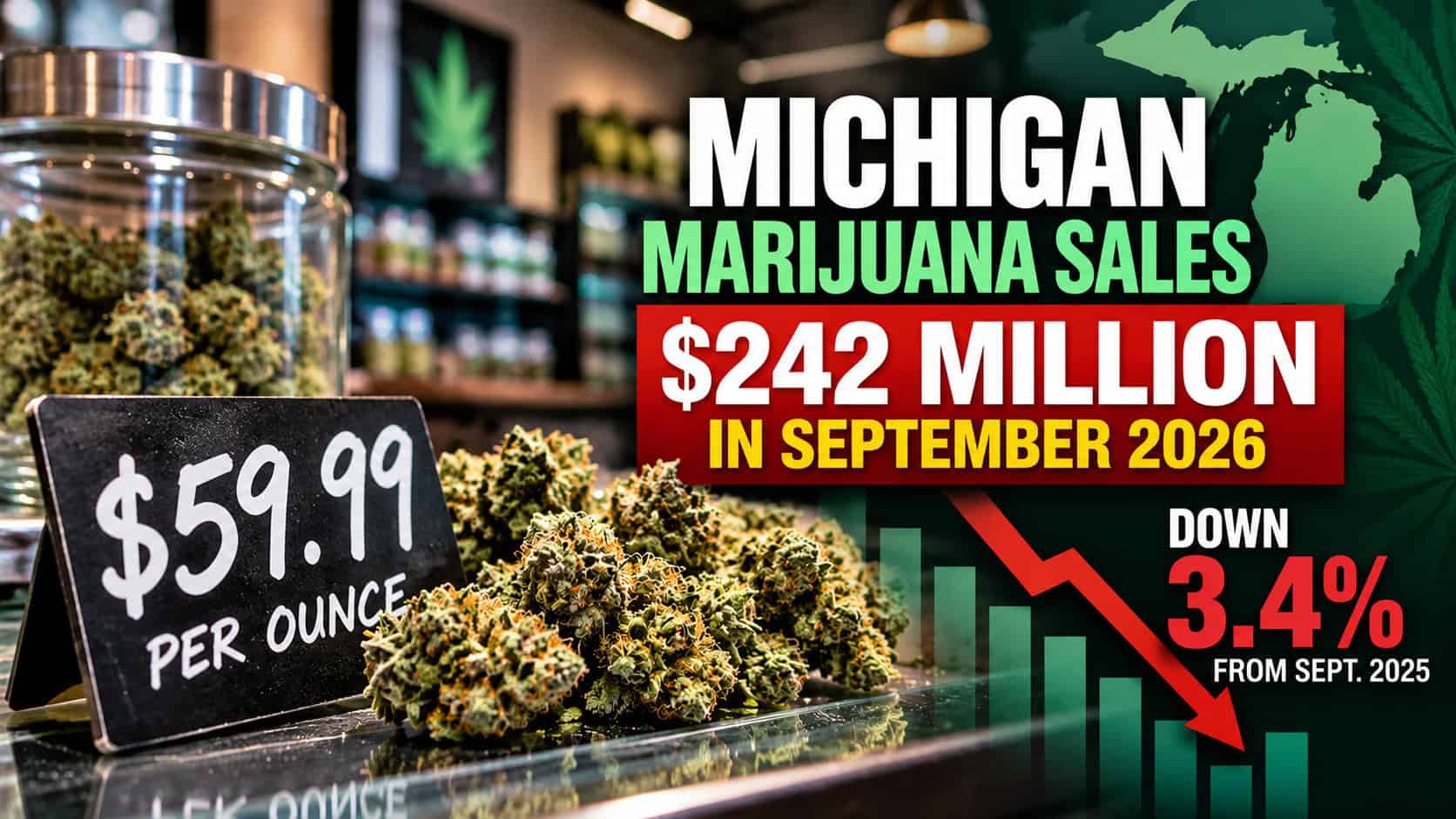
ANN ARBOR – Michigan marijuana prices have fallen to some of the lowest levels in the country, with ounces commonly selling for $90 to $130. In Ohio, similar products often sell for $150 to $220 an ounce. Meanwhile, a multibillion-dollar hemp-derived THC industry has emerged outside the licensed cannabis system.
Now that market may be facing its biggest threat yet.
Tennessee recently finalized rules that will effectively ban most THCA hemp products beginning July 1, making it one of the latest states to crack down on a rapidly growing market that many licensed cannabis operators have viewed as unfair competition.
The move is drawing attention far beyond Tennessee because it could signal a broader national shift that eventually impacts cannabis businesses in Michigan, Ohio and other legal marijuana states.
Industry observers say the outcome could determine whether billions of dollars in future cannabis sales remain in the hemp sector or move back into regulated market.
The Michigan Cannabis Industry Association welcomed the federal proposal in a statement published earlier. MICiA said “closing the hemp loophole is a necessary step toward protecting public health and ensuring a level playing field for licensed cannabis businesses.”
What Is The Hemp Loophole?
The issue traces back to the 2018 Farm Bill, which legalized hemp containing less than 0.3 percent Delta-9 THC by dry weight.
Entrepreneurs quickly discovered that hemp plants could contain large amounts of THCA, a non-intoxicating cannabinoid that converts into psychoactive THC when heated through smoking or vaping.
The result was the emergence of a massive market for products that many consumers viewed as essentially marijuana, but which were often sold outside state-regulated cannabis systems.
In addition to THCA flower, companies developed a wide range of hemp-derived intoxicants, including Delta-8 THC, Delta-10 THC, THC gummies, beverages and vape products.
The market exploded nationwide, generating billions in annual sales and creating a direct competitor to licensed marijuana businesses.
Key Facts
Michigan recreational marijuana prices: Commonly $90-$130 per ounce
Ohio recreational marijuana prices: Commonly $150-$220 per ounce
Tennessee THCA restrictions take effect: July 1, 2026
Federal issue: Congress continues debating Farm Bill revisions that could redefine intoxicating hemp products
Industry impact: Billions in hemp-derived cannabinoid sales could eventually move into regulated marijuana channels if more states close the loophole
Tennessee Crackdown Could Be A Turning Point
Tennessee’s new rules will prohibit many THCA products beginning July 1 after state regulators concluded the products fall outside the intent of hemp legalization.
The decision represents one of the clearest examples yet of a state moving to shut down a major THCA marketplace.
While Tennessee is not a major cannabis state like Michigan or Ohio, industry participants nationwide are watching closely because lawmakers in other states are facing similar pressure from both cannabis operators and hemp businesses.
At the federal level, lawmakers are also debating whether future revisions to the Farm Bill should close the loophole that enabled the intoxicating hemp market to emerge.
If Congress eventually acts, the entire hemp-derived THC industry could face dramatic restructuring.
Why Cannabis Operators Have Been Fighting Back
Licensed cannabis companies have long argued the hemp-derived THC market operates under a different set of rules.
Michigan and Ohio marijuana operators must pay licensing fees, undergo product testing, comply with seed-to-sale tracking systems and pay state cannabis taxes.
Many hemp retailers face fewer requirements while selling products that produce similar psychoactive effects.
“It’s critical that all intoxicating cannabinoid products are regulated appropriately and sold through licensed channels,” said Aaron Smith, CEO of the National Cannabis Industry Association, in previous comments regarding intoxicating hemp products.
Cannabis trade groups across the country have increasingly urged lawmakers to either regulate intoxicating hemp products like marijuana or remove them from the marketplace altogether.
For licensed operators struggling with declining wholesale prices and increasing competition, every hemp-derived THC sale represents a customer who is not shopping at a regulated dispensary.
Michigan Operators Could Quietly Benefit
Michigan has largely taken the position that intoxicating cannabinoid products belong within the state’s regulated cannabis system.
The Michigan Cannabis Industry Association has repeatedly argued that intoxicating hemp products should face similar testing, taxation and safety standards as marijuana products sold through licensed dispensaries.
That means Tennessee’s action is unlikely to dramatically alter Michigan’s retail landscape in the short term.
However, Michigan cannabis operators will be watching closely.
If more states restrict THCA and similar products, licensed marijuana businesses could gradually gain market share as consumers return to regulated dispensaries.
That could be particularly important as Michigan’s cannabis industry continues struggling with record-low prices and shrinking profit margins.
For many operators, even modest shifts in consumer spending could matter.
Ohio Could Face More Immediate Questions
Ohio presents a more complicated picture.
The state’s adult-use marijuana market is still expanding while lawmakers continue debating restrictions involving marijuana and hemp-derived intoxicants.
Ohio cannabis operators have voiced many of the same concerns heard in Michigan regarding products sold outside licensed dispensaries.
If Tennessee becomes the start of a broader national crackdown, Ohio lawmakers could face increasing pressure to clarify how hemp-derived THC products should be regulated.
That debate could influence future sales growth for Ohio’s rapidly expanding recreational marijuana market.
The issue is especially important because Ohio marijuana prices remain significantly higher than Michigan’s, creating additional competition between licensed cannabis products and lower-cost hemp alternatives.
The Business Stakes Are Significant
For cannabis companies, the issue is ultimately about market share.
The hemp-derived THC industry created an alternative distribution network reaching consumers through thousands of smoke shops, convenience stores, vape stores and gas stations that do not hold marijuana licenses.
Every state that closes or restricts that channel potentially shifts some sales back toward licensed dispensaries.
At the same time, hemp industry advocates argue consumers should continue to have access to legal hemp-derived products and warn that restrictive regulations could eliminate thousands of small businesses nationwide.
The battle increasingly resembles a fight between two industries competing for many of the same customers.
What Happens Next?
Tennessee’s July 1 implementation date may be just one state-level regulatory change, but cannabis executives, hemp operators and investors across the country are paying attention.
The larger question is whether lawmakers in Washington and state capitals eventually decide intoxicating hemp products should be regulated like marijuana.
If that happens, one of the most significant loopholes created by the 2018 Farm Bill could disappear.
For cannabis businesses in Michigan and Ohio, that could mean fewer competitors, more regulatory consistency and potentially higher sales.
For hemp operators, it could mean a dramatic reshaping of a market that grew from virtually nothing into a multibillion-dollar industry in less than a decade.
The debate is no longer just about Tennessee.
It is about the future structure of the American cannabis marketplace.