WASHINGTGON DC – A fast-growing fight in Washington over hemp-derived THC products is colliding with two massive industries—and Michigan is right in the middle.
At stake is not just cannabis policy, but a shifting consumer market worth hundreds of billions of dollars, where alcohol, hemp, and marijuana companies are all competing for the same customer.
The immediate trigger is Congress’ failure to address a looming federal crackdown on hemp-derived THC products in the latest Farm Bill, drawing sharp criticism from alcohol industry groups that warn lawmakers are creating chaos without a clear regulatory plan.
But beneath the policy fight lies a deeper reality: Americans—especially younger consumers—are drinking less alcohol, and many are replacing it with alternatives like THC-infused beverages.
A $300 Billion Industry Feels the Pressure
The U.S. alcohol industry generates an estimated $260 billion to $300 billion annually, making it one of the largest consumer sectors in the country. In Michigan alone, alcohol sales are estimated at $7 billion to $9 billion a year, putting it in direct competition with the state’s rapidly growing cannabis market.
Now, a new category—hemp-derived THC drinks and edibles—is beginning to chip away at that dominance.
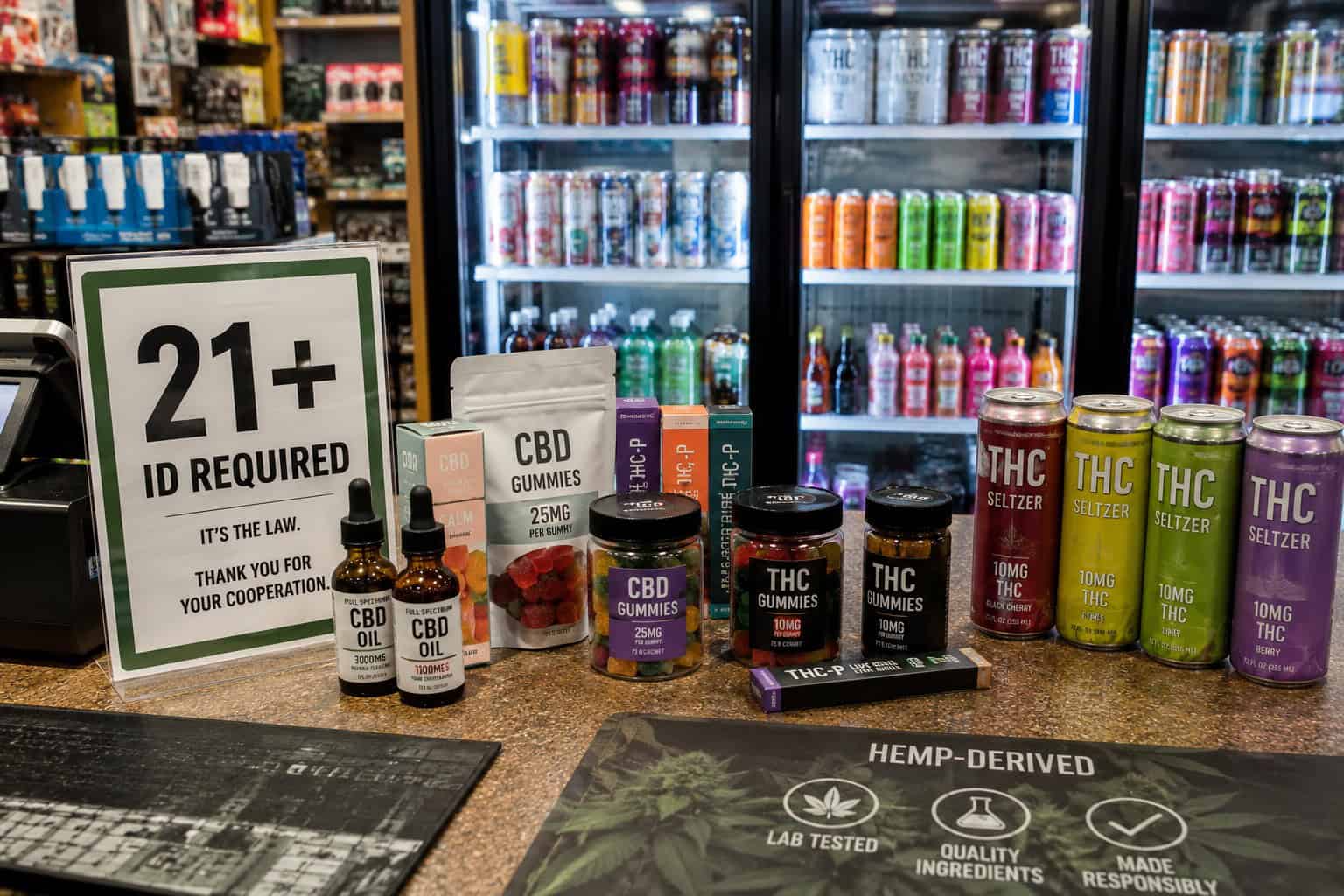
These products, often sold in convenience stores, smoke shops, and even bars, can produce mild intoxicating effects similar to cannabis. Unlike marijuana sold through licensed dispensaries, however, many of these hemp-derived products operate in a regulatory gray area, with fewer requirements around testing, labeling, and age verification.
That’s what has both the alcohol industry and regulators on edge.
By the Numbers: Alcohol vs THC vs Cannabis
- $260B–$300B → U.S. alcohol industry annual sales
- $7B–$9B → Estimated Michigan alcohol market
- $3.17B → Michigan cannabis sales (2025)
- 300,000 jobs → U.S. hemp industry employment
- 40,000+ jobs → Michigan cannabis workforce
- Thousands → Estimated Michigan hemp-related jobs
- $28B → U.S. hemp industry value
- ~50% → Americans under 35 who drink alcohol
- ~20% less → Gen Z alcohol consumption vs Millennials
Congress Targets Hemp THC—But Leaves Questions
The U.S. House recently passed a version of the Farm Bill that keeps in place a federal ban on most intoxicating hemp-derived THC products, scheduled to take effect later this year.
The policy aims to close a loophole created by the 2018 Farm Bill, which legalized hemp but inadvertently allowed intoxicating compounds like delta-8 THC to proliferate nationwide.
Under the new definition, hemp products would need to meet strict “total THC” limits—effectively eliminating a large share of products currently on the market.
But critics say Congress is acting without a transition plan or replacement framework, raising the risk of widespread disruption.
Michigan’s Unique Market Collision
Nowhere are the stakes clearer than in Michigan.
The state generated more than $3.17 billion in cannabis sales in 2025, making it one of the largest marijuana markets in the United States. At the same time, a parallel market of hemp-derived THC and CBD products has quietly expanded outside the state’s licensed dispensary system.
That creates a fragmented system:
- Licensed cannabis operators face strict testing, taxation, and age restrictions
- Hemp-derived THC products are often sold in everyday retail settings with fewer controls
If the federal ban takes effect as written, that imbalance could shift rapidly.
Cannabis dispensaries could benefit as unregulated competitors disappear, while hemp retailers—many of them small businesses—could lose a major source of revenue overnight.
Consumers would likely see fewer options and higher prices as access shifts back into the regulated system.
Jobs at Risk—But Hard to Track
While precise employment figures are difficult to pin down, the stakes extend beyond sales into jobs and local economies.
Nationally, the hemp-derived cannabinoid industry supports an estimated 300,000 jobs, tied to a market valued at roughly $28 billion.
In Michigan, the regulated cannabis industry employs more than 40,000 workers, making it one of the state’s fastest-growing employment sectors. The hemp industry is smaller but still significant—supporting thousands of jobs across farming, processing, retail, and product manufacturing.
Because many hemp-derived THC and CBD products are sold outside the licensed cannabis system, much of that workforce operates in a loosely regulated environment that is not fully captured in official employment data.
That lack of visibility is part of the problem regulators are now trying to solve.
A Divided Hemp Industry
Even within the hemp sector, there is growing agreement that the current system is unsustainable.
Blain Becktold, president of the Industrial Hemp Association of Michigan, has advocated for moving intoxicating hemp products into licensed dispensaries, where they would be subject to the same rules as marijuana.
That would include mandatory 21-and-over sales, standardized testing, and clear labeling—steps supporters say would protect consumers without eliminating the market entirely.
Parents and Regulators Raise Red Flags
The current patchwork system has also drawn concern from parents and public health advocates.
Because hemp-derived THC products are often sold outside dispensaries, critics say they can be easier for minors to access, particularly in convenience stores and smoke shops.
That has fueled calls for tighter oversight and age restrictions, with some regulators warning that the industry has outpaced the laws designed to govern it.
The Generational Shift Driving It All
At the same time, a broader cultural shift is reshaping the entire market.
Only about 50% of adults under 35 now report drinking alcohol, down from roughly 72% two decades ago. Nationwide, just 54% of Americans say they drink at all, the lowest level recorded in nearly 90 years.
Generation Z consumes about 20% less alcohol per capita than Millennials did at the same age, accelerating a long-term decline in drinking.
That trend is forcing alcohol companies to rethink their strategies—and making alternative products like THC beverages increasingly attractive.
This isn’t just a policy debate.
It’s a fight over who controls the future of a changing consumer market—one where alcohol is losing ground, cannabis is rising, and hemp-derived THC products are caught in between.
And for Michigan, the outcome could reshape billions of dollars in spending—and thousands of jobs—almost overnight.