WASHINGTON DC – The political warning signs for Republicans are growing more complicated heading into the 2026 midterm elections.
President Donald Trump’s approval ratings have weakened nationally amid concerns over inflation, energy prices, tariffs, and rising tensions with Iran. Yet at the same time, Trump continues demonstrating enormous influence inside Republican primaries — a dynamic now reinforced by the stunning defeat of Kentucky Congressman Thomas Massie.
On Tuesday night, Massie lost his Republican primary to Trump-backed challenger Ed Gallrein in what became one of the most expensive House primaries in American history, with more than $32 million spent on the race.
Massie, a libertarian-leaning Republican first elected in 2012, had become one of the few Republicans willing to publicly challenge Trump on issues ranging from spending and executive authority to U.S. military actions involving Iran and the release of Jeffrey Epstein files.
His defeat now sends a powerful message throughout the Republican Party:
public opposition to Trump can carry major political consequences, even for longtime incumbents in heavily Republican districts.
The result comes as Trump’s broader national polling has weakened.
A Reuters/Ipsos poll released this week found Trump’s approval rating has fallen to roughly 35 percent nationally, while Republican support for the president has also softened compared to the beginning of his second term.
Historically, presidents entering midterm cycles with weakening approval ratings often see their parties lose congressional seats.
Barack Obama’s Democrats suffered a massive House defeat in 2010 following economic frustration after the financial crisis. Republicans under Trump lost the House in 2018 amid suburban backlash and high Democratic turnout. Joe Biden’s Democrats lost House control in 2022 as inflation became a dominant political issue.
Now Republicans face their own balancing act:
remain tightly aligned with Trump to survive primaries, while also appealing to broader general election voters increasingly worried about affordability, economic uncertainty, and international instability.
Michigan Could Feel The Economic And Political Impact
The political stakes may be especially high in Michigan, where economic concerns tied to tariffs, fuel prices, manufacturing uncertainty, and Middle East tensions could heavily influence suburban and independent voters.
Michigan’s economy remains deeply connected to global trade, automotive supply chains, advanced manufacturing, and energy costs — all areas potentially affected by Trump administration tariff policies and growing instability involving Iran.
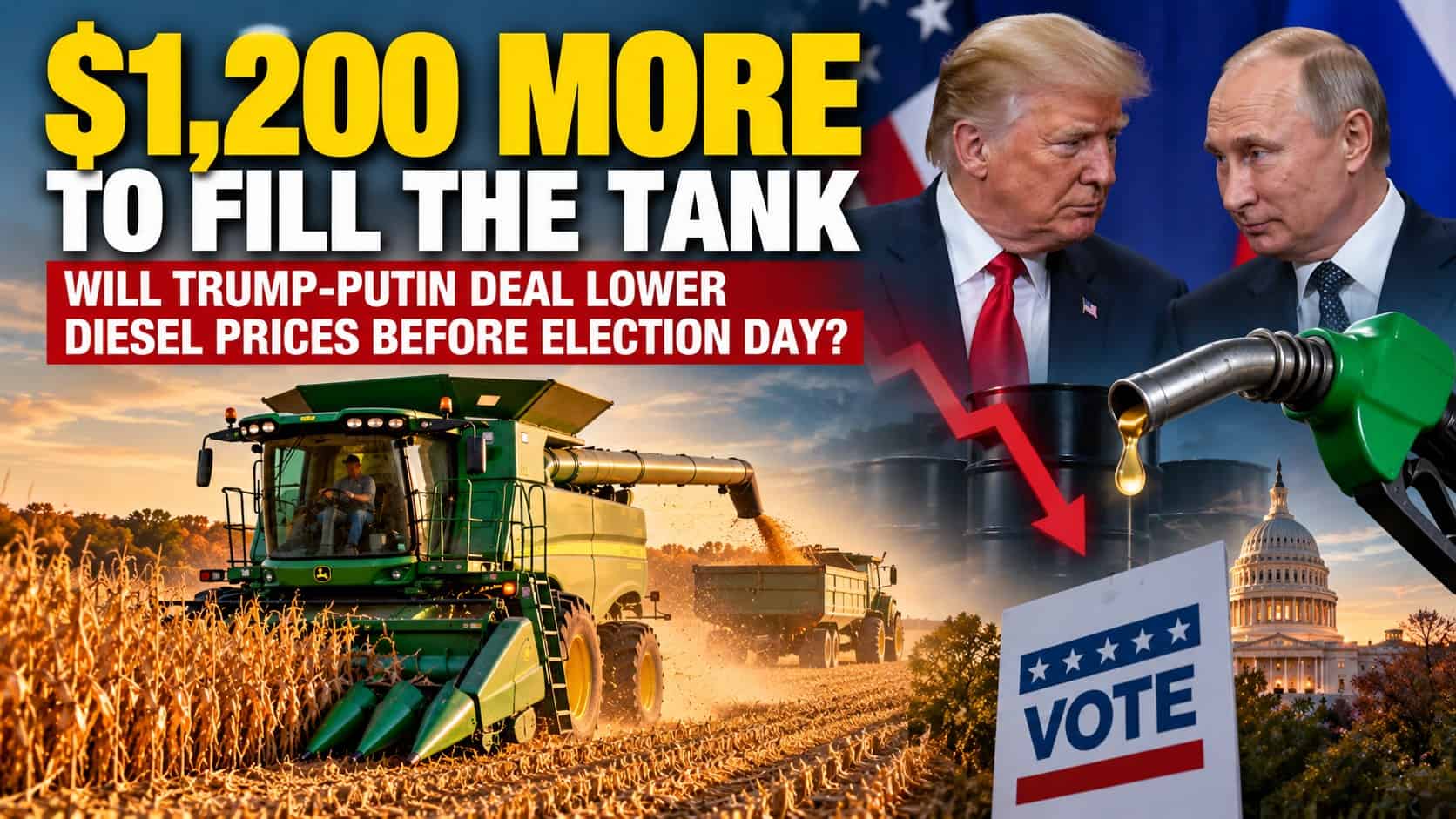
Any sustained increase in oil prices tied to tensions in the Middle East or disruptions in the Strait of Hormuz could disproportionately impact Michigan consumers and businesses through higher gasoline prices, shipping costs, supply chain disruptions, and broader inflation pressures.
The issue hits particularly close to home in a state where driving remains essential for most workers and where automotive manufacturing still plays a central role in the economy.
At the same time, rising geopolitical tensions could create both risks and opportunities for Michigan industry.
Defense contractors and advanced manufacturing companies tied to military systems, autonomous technologies, robotics, and artificial intelligence could potentially benefit from increased defense spending tied to global instability. Michigan has increasingly positioned itself as a next-generation defense and mobility hub through investments in autonomous systems, advanced batteries, military mobility technologies, and AI-enabled manufacturing.
That creates a complex political environment:
higher defense spending may boost some sectors of Michigan’s industrial economy, while rising fuel prices and inflation simultaneously squeeze consumers and small businesses.
Political analysts note Michigan could once again become one of the nation’s most closely watched battleground states if economic conditions worsen heading into the midterms.