Michigan still dominates cannabis sales and attracts thousands of out-of-state shoppers every week. But Ohio’s higher prices, stronger profit margins and expanding adult-use market could position it to benefit more from upcoming federal cannabis reforms.
ANN ARBOR – Michigan sells more cannabis than Ohio. Ohio makes more money.
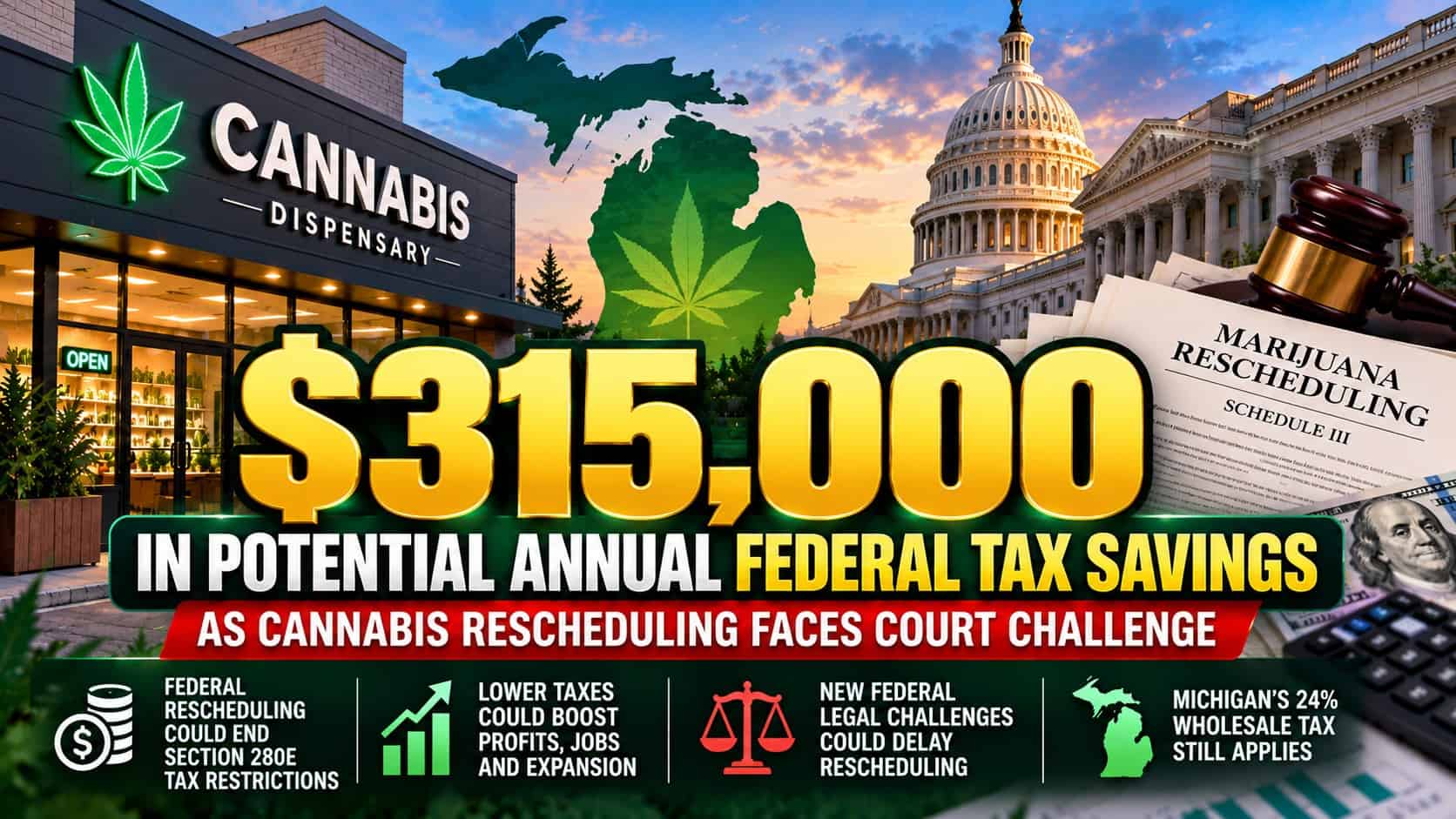
That simple reality may shape the future of the Midwest marijuana industry as federal regulators prepare for a June 29 hearing that could expand cannabis rescheduling and potentially reduce tax burdens for operators across the country.
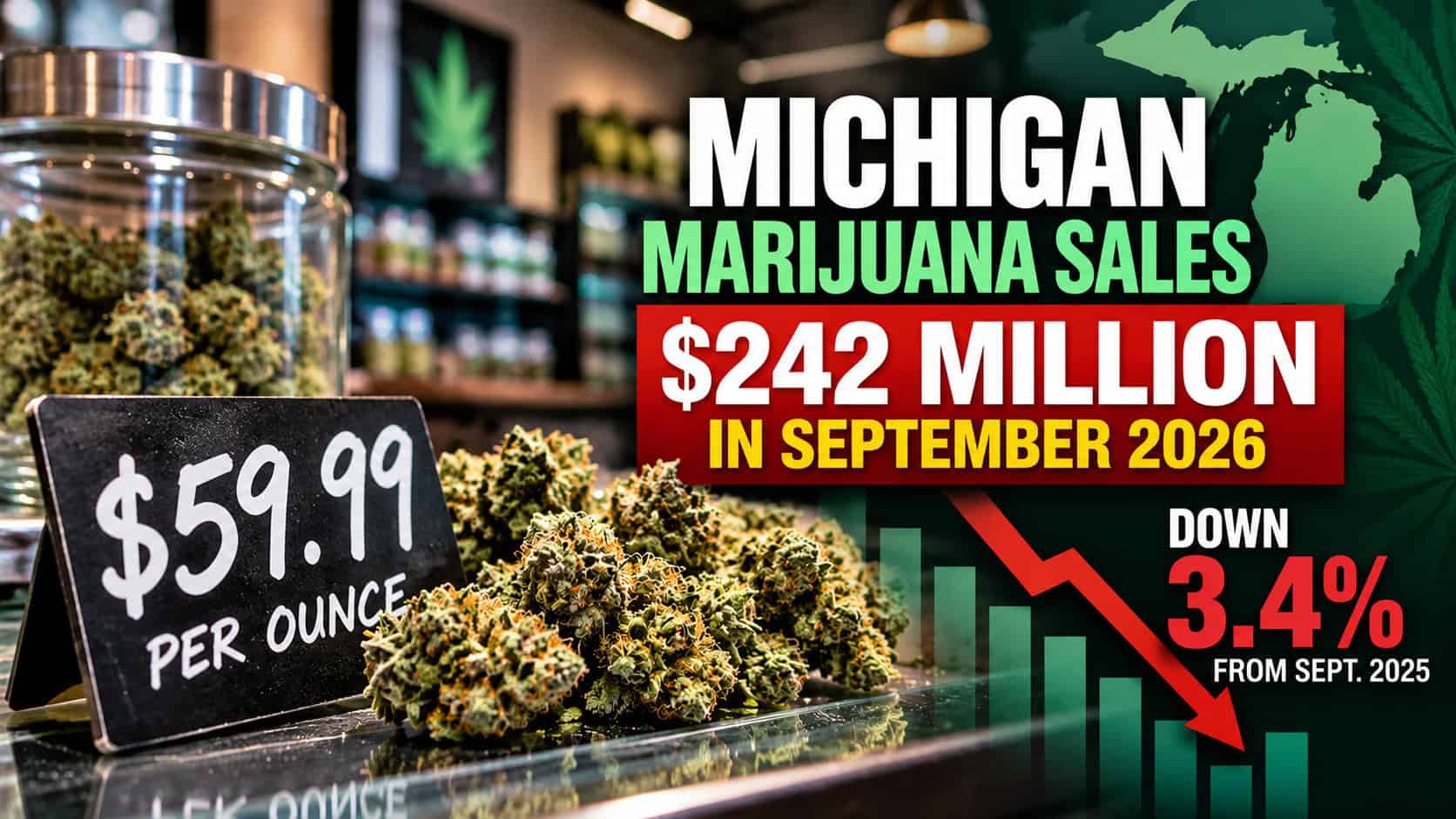
For years, Michigan has been the undisputed cannabis leader in the Great Lakes region, generating more than $3 billion in annual sales while attracting customers from neighboring states with some of the lowest marijuana prices in America.
But Ohio’s younger recreational market is growing rapidly, maintaining significantly higher prices and stronger profit margins that many industry observers believe could make the Buckeye State increasingly attractive to investors and operators if federal cannabis reform moves forward.
By The Numbers
Michigan
More than $3 billion annual cannabis sales
Among the lowest cannabis prices in America
Hundreds of dispensaries and cultivation facilities
New 24% wholesale marijuana tax took effect Jan. 1
Significant customer traffic from Ohio and Indiana
Ohio
More than $1 billion annual cannabis sales
Higher average retail prices
Stronger operator margins
Expanding adult-use market
Fewer licensed operators
Michigan’s Secret Weapon: Border Traffic
One reason Michigan remains the region’s cannabis giant is geography.
Dispensaries in Monroe have become a destination for Ohio consumers seeking lower prices and broader product selection. Likewise, New Buffalo retailers near the Indiana border routinely attract customers willing to drive across state lines to save money.
Industry executives have long described Monroe as one of the most important cannabis retail markets in the Midwest because of its proximity to Ohio’s major population centers.
The formula is simple: lower prices attract customers.
Michigan’s mature market, abundant cultivation capacity and intense competition have driven prices down to levels that would have seemed impossible just a few years ago.
For consumers, that’s a win.
For many operators, it’s a challenge.
The Price Problem
Michigan’s low prices helped build the industry’s success, but they have also squeezed profits.
Growers face oversupply. Retailers compete aggressively on price. Investors have become more cautious after years of declining wholesale prices.
Ohio faces the opposite problem.
Consumers often pay significantly more than Michigan shoppers, but those higher prices have allowed many operators to maintain stronger margins and healthier balance sheets.
As a result, Ohio’s industry may be better positioned to capitalize on federal reforms that reduce tax burdens or attract new investment.
Why Federal Reform Matters
The U.S. Department of Justice and Drug Enforcement Administration recently moved state-licensed medical marijuana into Schedule III and have scheduled a broader cannabis rescheduling hearing beginning June 29.
If additional cannabis products eventually receive similar treatment, operators could gain relief from some of the industry’s most burdensome federal tax restrictions.
That would free up capital for expansion, hiring, acquisitions and new facilities.
The question is where that capital will flow.
Will investors favor Michigan’s massive market and established infrastructure?
Or will they choose Ohio’s newer market, stronger margins and greater growth potential?
Could Investment Shift To Ohio?
For years, Michigan attracted cannabis entrepreneurs from around the country.
Today, some analysts believe Ohio may offer a more attractive investment environment.
The state’s market is newer, less saturated and generally more profitable.
If federal reforms reduce tax burdens while preserving Ohio’s pricing advantages, investors may increasingly view the state as one of the most attractive cannabis markets in the Midwest.
That doesn’t mean Michigan is losing.
Far from it.
Michigan remains one of America’s largest cannabis markets and continues to dominate regional sales.
But the competitive landscape is changing.
A New Midwest Cannabis Race
For much of the past decade, Michigan’s cannabis industry focused on competing against the illicit market.
The next decade may look very different.
As federal reform advances, Michigan and Ohio are increasingly competing against each other for investment, talent, jobs and future growth.
Michigan may continue winning customers.
Ohio may increasingly win profits.
The outcome could determine which state becomes the Midwest’s cannabis leader during the next phase of industry growth.