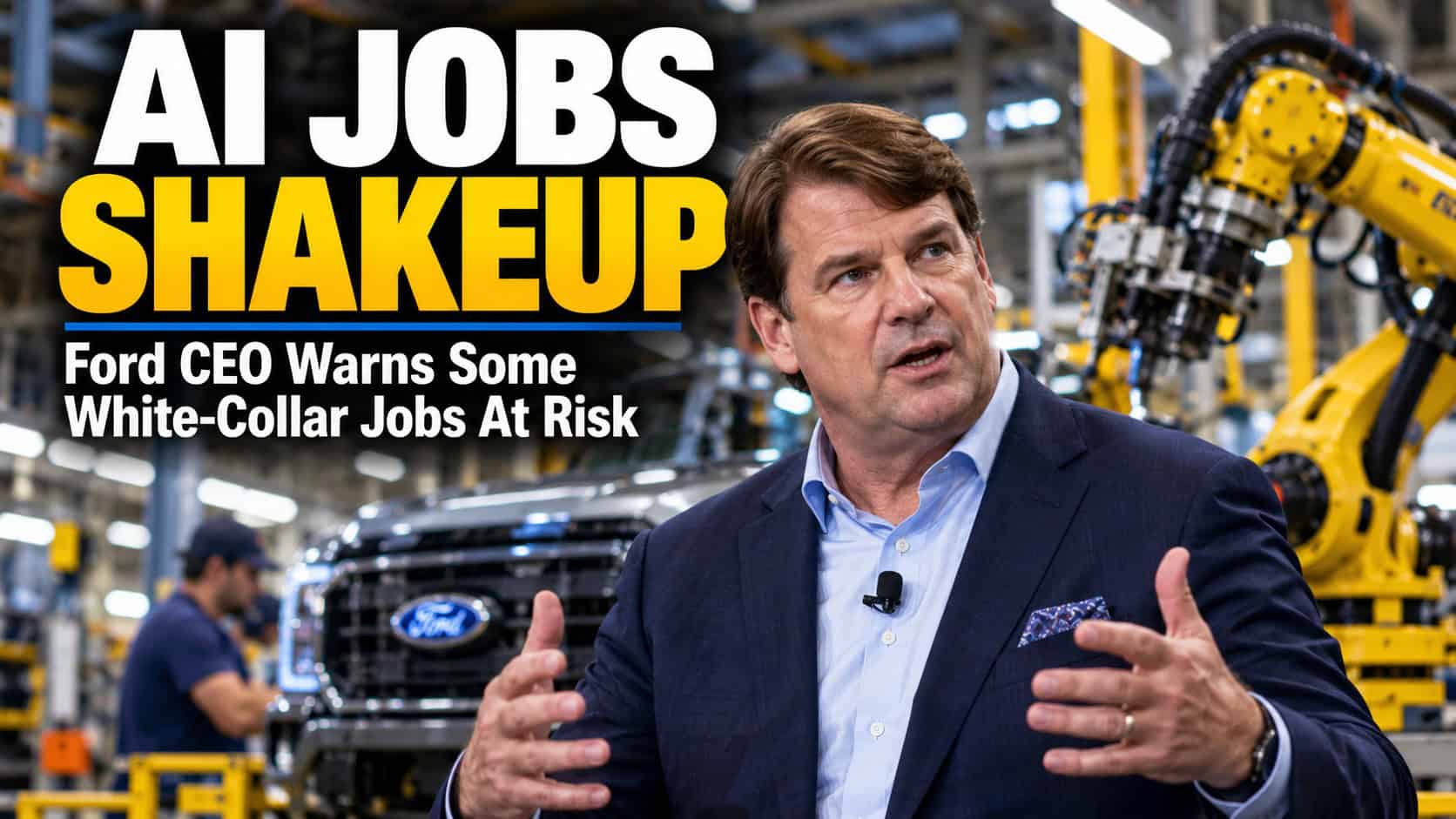
DETROIT – The battle over artificial intelligence is no longer a Silicon Valley debate. It’s now a Michigan jobs story.
Shawn Fain and Bernie Sanders are raising alarms that AI-driven automation could hit Midwest manufacturing hard—and fast—unless new federal rules are put in place.
Their concern: companies are deploying AI without guardrails, potentially replacing workers at a pace policymakers—and unions—can’t control.
Fain is pushing for contracts that give workers a direct voice in how AI is introduced on factory floors. Sanders is backing broader federal action, including stricter oversight of how companies deploy AI technologies.
What Business Leaders Need to Know)
- Up to 600,000 Midwest jobs could be impacted by AI automation
- Labor leaders want federal regulation + worker protections
- Some proposals include slowing AI rollout
- Tech leaders warn regulation could hurt U.S. competitiveness
- Michigan’s auto sector sits directly in the crosshairs
Why Michigan Is at Risk
This isn’t abstract policy—it’s local.
Michigan’s economy is still heavily tied to:
- Auto manufacturing
- Advanced production
- Supply chain logistics
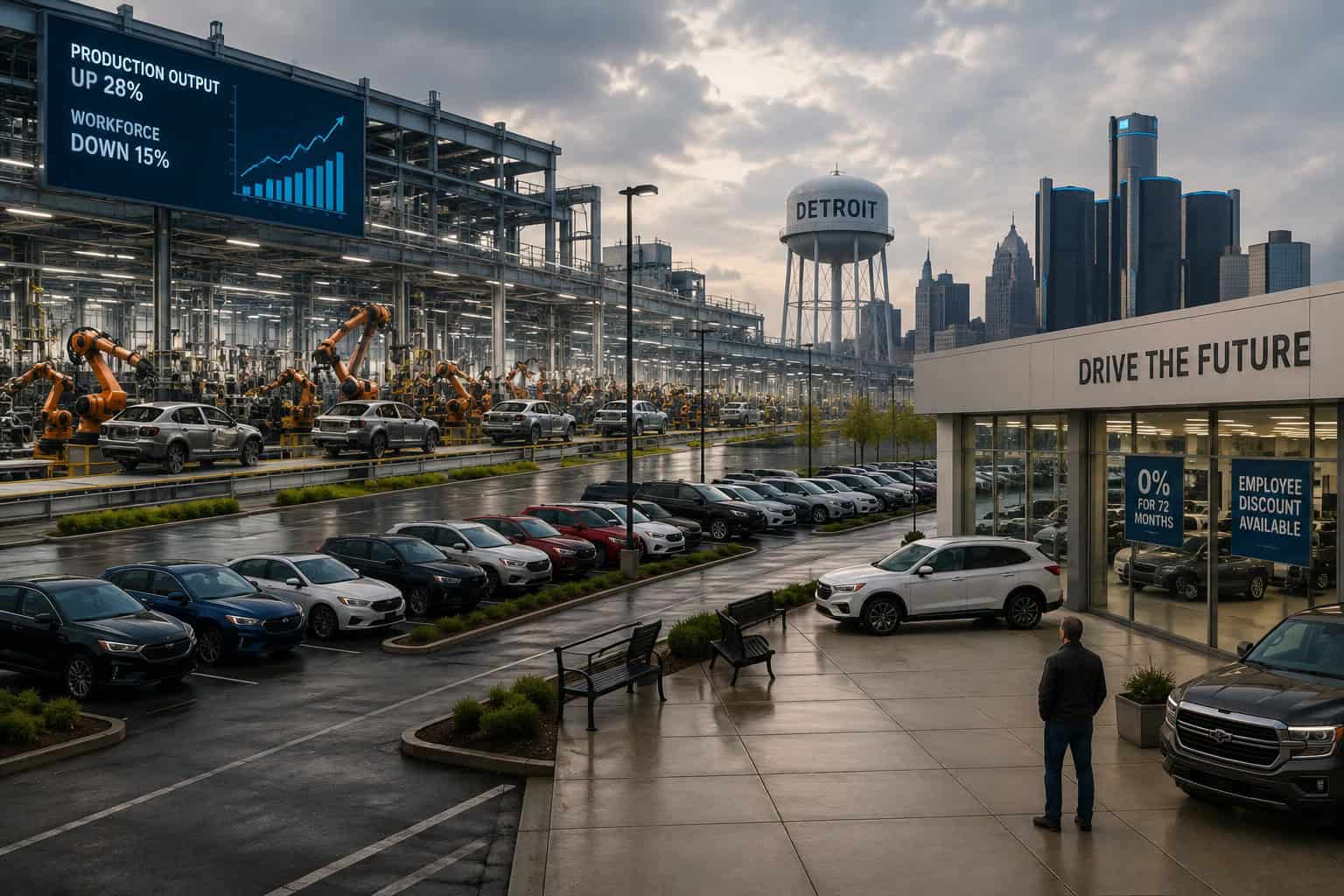
These are exactly the sectors AI targets first—through robotics, predictive systems, and autonomous processes.
The fear among labor leaders is familiar: another wave of disruption like outsourcing in the 1990s and 2000s—but faster, and harder to stop.
What Labor Wants
Fain and Sanders are pushing for:
- Federal rules governing workplace AI
- Worker input on automation decisions
- Protections tied to job displacement
- Limits or pauses on rapid AI infrastructure expansion
Their argument is simple: if AI reshapes work, workers should have a say in how it happens.
The Business Reality
Here’s where it gets complicated—and where your readers lean in.
Many economists and executives argue:
- AI will increase productivity and lower costs
- New job categories will emerge (as they have in past tech waves)
- Slowing AI could give global competitors—especially China—an edge
The tension is real:
Move too fast → job losses and political backlash
Move too slow → economic disadvantage
The Bigger Shift
This isn’t just a labor story. It’s a control story.
- Who decides how AI is deployed?
- Who benefits financially?
- Who absorbs the disruption?
Michigan—because of its manufacturing base—will likely feel these answers sooner than most states
AI is coming into the factory whether policymakers act or not.
The real question is whether Michigan workers—and businesses—help shape that future… or react to it after the fact.