COLUMBUS – An Ohio courtroom battle over hemp-derived cannabinoid products is highlighting a much larger national fight that increasingly mirrors what businesses in Michigan’s hemp and cannabis industries say they are already facing.
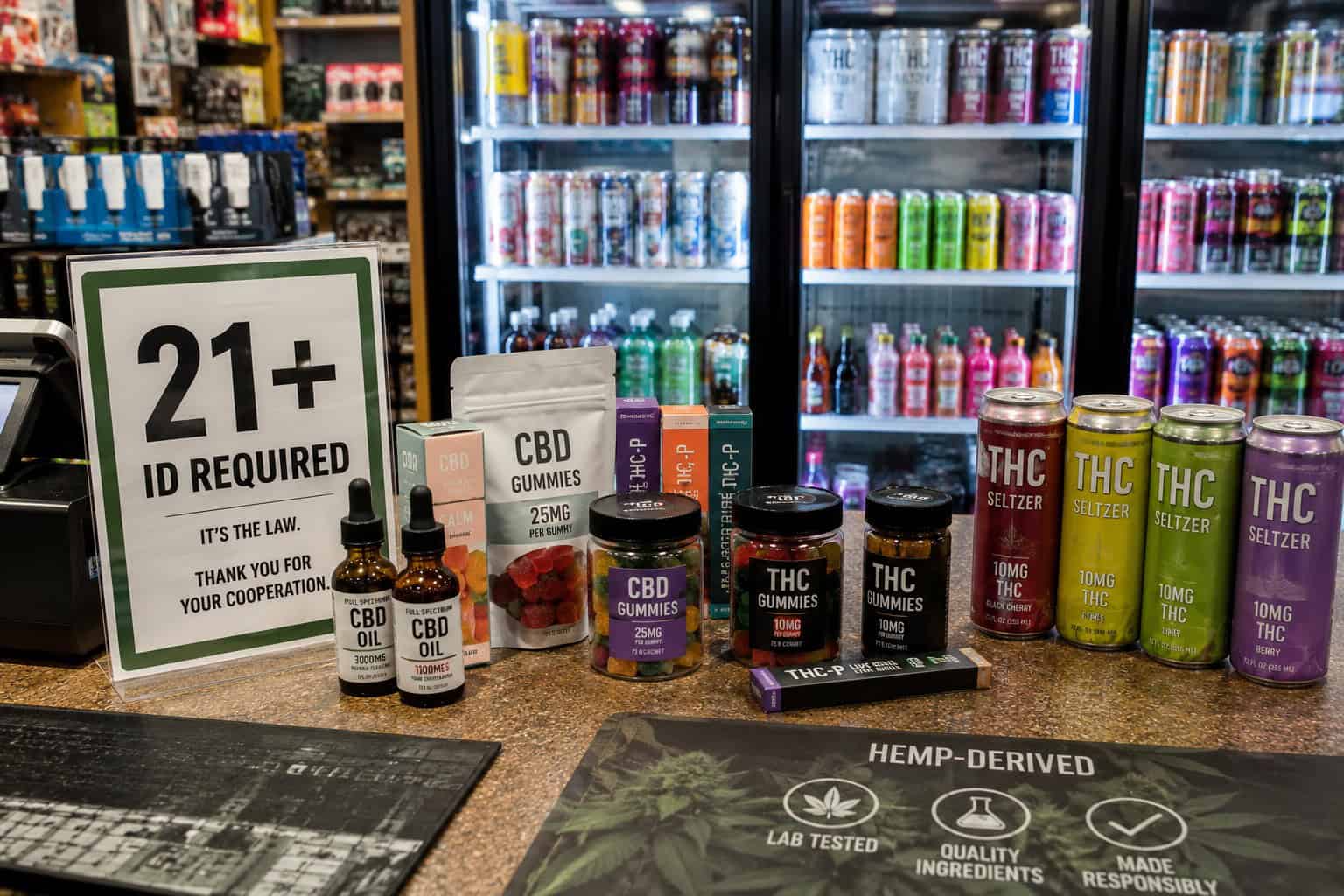
At issue is Ohio Senate Bill 56, a law that sharply restricts hemp-derived THC products including gummies, beverages, tinctures and vape products sold outside the state’s licensed marijuana dispensary system. Hemp retailers and wellness companies argue the law could devastate legitimate businesses that sell products consumers use for sleep, stress relief, relaxation and wellness—not simply intoxication.
The Ohio restrictions are scheduled to take effect Nov. 12 unless Congress intervenes or federal regulators delay implementation. Industry groups and some lawmakers also have discussed extending the deadline another year to give states, hemp businesses and regulators more time to sort out the rapidly evolving cannabinoid marketplace.
That uncertainty is now hanging over Michigan as well.
The legal battle comes as lawmakers nationwide struggle to determine where to draw the line between federally legal hemp products and intoxicating cannabis products sold through state-licensed marijuana dispensaries.
A Multi-Million-Dollar Midwest Industry
The economic stakes are substantial.
Industry analysts at Whitney Economics estimate Ohio’s hemp-derived cannabinoid market could approach $705 million annually while supporting more than 8,100 jobs.
Michigan likely represents an even larger overall hemp wellness market because of its mature cannabis consumer base and extensive retail network, although exact figures are difficult to track because hemp products are sold through thousands of independent retailers, wellness stores, smoke shops, beverage outlets and online sellers.
Nationally, the broader hemp-CBD marketplace is estimated to generate nearly $2 billion annually, driven largely by consumers purchasing:
- CBD sleep gummies
- full-spectrum hemp tinctures
- cannabinoid wellness beverages
- relaxation and stress products
- non-intoxicating hemp edibles
At the same time, Michigan’s licensed marijuana industry generated more than $3.17 billion in cannabis sales in 2025, making it one of the nation’s largest regulated marijuana markets.
That overlap is creating growing tension.
Licensed marijuana companies argue hemp-derived THC products sold outside dispensaries avoid marijuana taxes, testing requirements and costly regulatory compliance rules.
Hemp businesses counter that lawmakers are unfairly lumping legitimate wellness products together with high-potency intoxicating products.
Ohio Businesses Warn Law Could Destroy Industry
During this week’s court hearing, Ohio hemp businesses argued the restrictions effectively eliminate an entire industry that emerged after Congress legalized hemp under the 2018 Farm Bill.
That federal law legalized hemp containing less than 0.3 percent delta-9 THC. But manufacturers soon discovered hemp compounds could be processed into cannabinoids such as delta-8 THC and other products that exist in a legal gray area.
Ohio retailers argue lawmakers are now overcorrecting.
Attorney Scott Pullins, representing hemp businesses challenging the law, told the court the restrictions effectively “put my clients out of business.”
State officials argued the restrictions are necessary because intoxicating hemp products have proliferated with limited oversight, inconsistent potency testing and growing concerns about youth access.
The state also contends the law aligns Ohio with upcoming federal hemp restrictions expected to take effect Nov. 12.
Michigan Faces Similar Questions
The Ohio fight closely resembles debates already unfolding inside Michigan’s cannabis and hemp industries.
Michigan marijuana operators already face collapsing wholesale prices, shrinking margins and increasing consolidation pressure. Many licensed dispensary owners argue unregulated hemp-derived THC products further erode their market share because hemp sellers avoid many of the taxes and regulations imposed on licensed cannabis businesses.
But hemp retailers warn overly broad crackdowns could unintentionally damage legitimate wellness businesses whose customers are not looking to get high.
Instead, many consumers increasingly use hemp-derived products as alternatives to:
- alcohol
- prescription sleep aids
- anxiety medications
- traditional relaxation products
That trend is especially important among younger consumers, who increasingly are shifting away from alcohol toward cannabis beverages and low-dose hemp wellness products.
Industry analysts say the line between “marijuana” and “hemp wellness” is becoming increasingly blurred.
Judge Questions Whether Law Favors Marijuana Industry
One Ohio judge has already raised questions about whether the restrictions unfairly favor the licensed marijuana industry.
In an earlier temporary restraining order, Sandusky County Common Pleas Judge Jeremiah Ray suggested Ohio’s law may discriminate against federally legal hemp products while effectively steering consumers toward state-licensed marijuana dispensaries.
That argument could become important nationally as more states attempt to regulate hemp-derived cannabinoids.
Legal experts say interstate commerce challenges may ultimately determine how far states can go restricting federally legal hemp products.
Congress May Still Change The Rules
Complicating matters further, Congress itself may still revise the federal hemp language before the Nov. 12 implementation deadline.
Some industry groups and lawmakers have floated proposals to delay enforcement another year while regulators attempt to create clearer national standards distinguishing:
- intoxicating hemp products
- wellness CBD products
- low-dose hemp beverages
- regulated marijuana products
For businesses across Michigan and Ohio, the uncertainty is creating significant financial pressure.
Companies do not know whether products currently sitting on store shelves could eventually become illegal, heavily regulated, or folded into state marijuana systems.
What began as a legal loophole in the 2018 Farm Bill has now evolved into a multi-billion-dollar national industry—and a growing political battle over who controls the future of cannabinoid products in America.