LANSING – For years, Michigan leaders have searched for the next economic engine that can help the state remain competitive in a rapidly changing global economy.
Today, the answer increasingly appears to be artificial intelligence.
The Whitmer administration and the Michigan Economic Development Corporation have spent the past several years positioning Michigan as a hub for emerging technologies, including artificial intelligence, advanced mobility, robotics, defense technology, semiconductors and advanced manufacturing. State officials argue that Michigan must move beyond its traditional reliance on automotive manufacturing and become a leader in the technologies expected to drive the 21st-century economy.
That strategy is already taking shape.
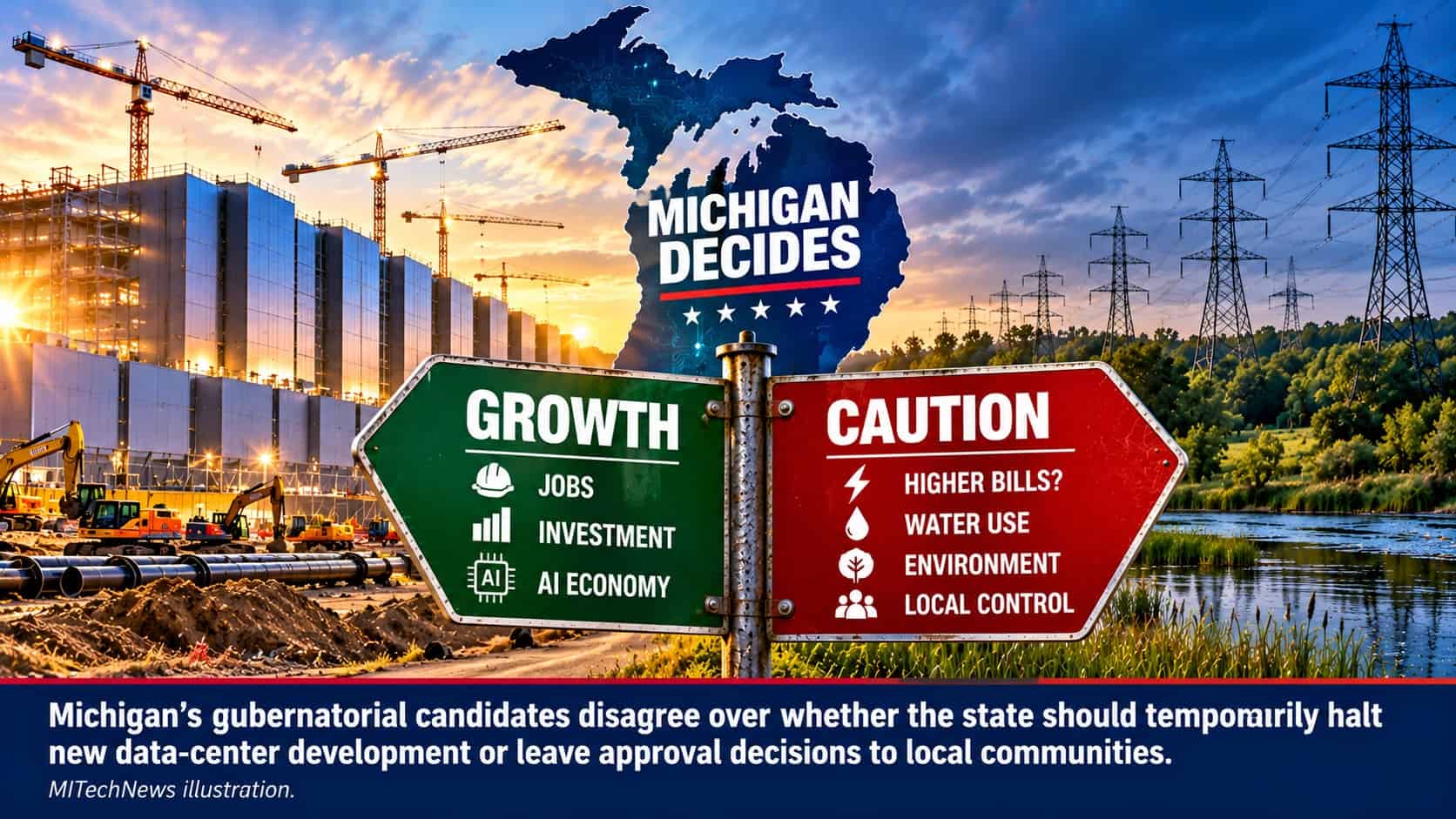
OpenAI’s $16 billion Stargate data center campus is under construction in Saline Township. Automakers are investing billions in AI-powered vehicle development. Manufacturers are adopting AI to improve productivity and quality. Universities are expanding AI research and training programs. Startups across the state are building businesses around artificial intelligence.
Supporters see AI as an opportunity to create thousands of high-paying jobs, attract billions of dollars in investment and help ensure Michigan remains economically relevant in an increasingly digital world.
But as Michigan doubles down on artificial intelligence, a new debate is emerging in Washington.
Federal policymakers are beginning to ask whether the most advanced AI systems have become powerful enough to raise national security concerns.
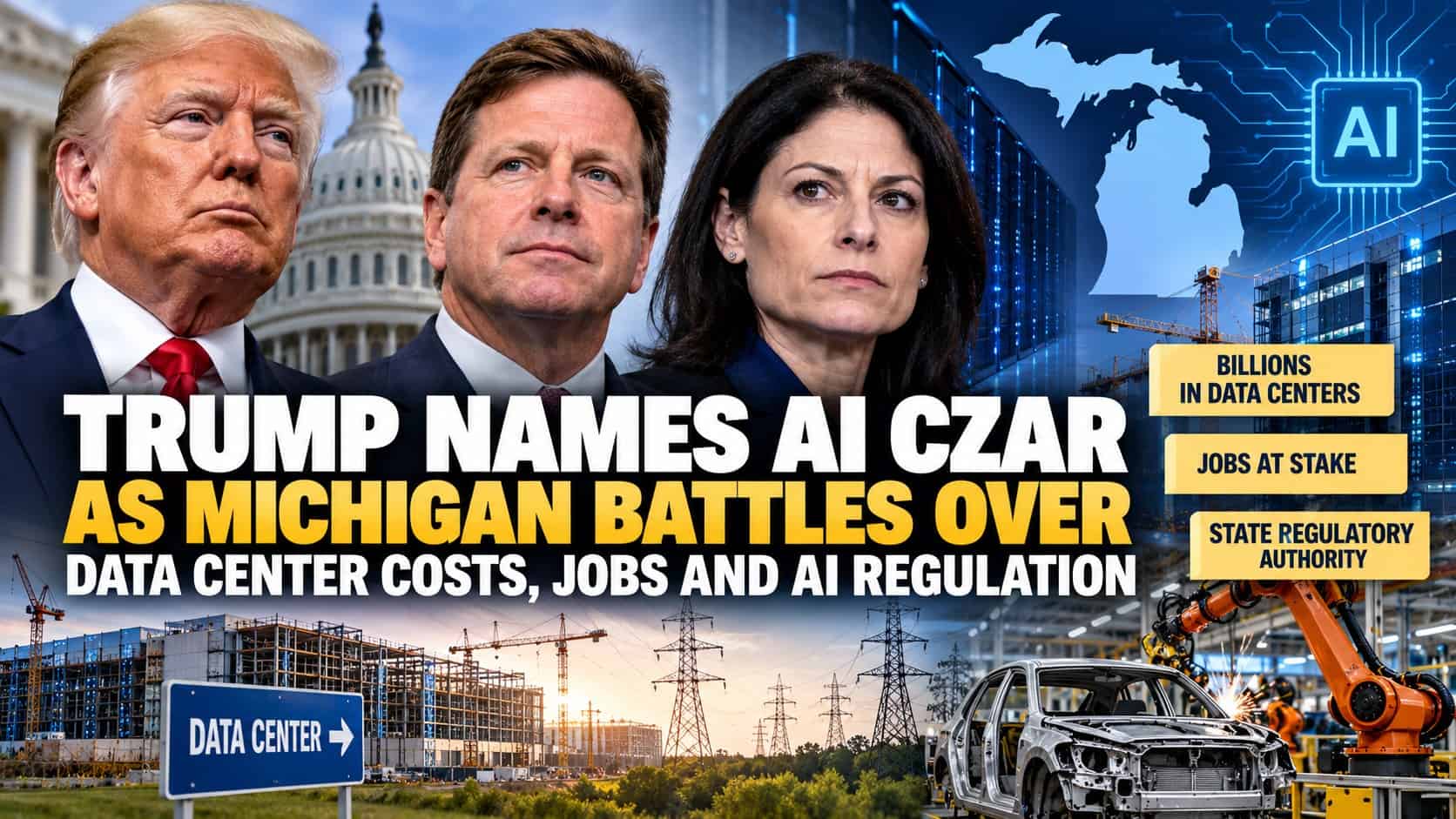
That debate moved into the spotlight after the federal government imposed restrictions on some of the world’s most advanced artificial intelligence models developed by Anthropic, one of the leading competitors to OpenAI. The move reflects growing concern that next-generation AI systems could potentially identify software vulnerabilities, assist cyberattacks, accelerate weapons development or otherwise provide capabilities that hostile nations could exploit.
The question for Michigan is straightforward:
If artificial intelligence is expected to generate future jobs, investment and economic growth, what happens if the federal government begins treating advanced AI more like a strategic technology and less like ordinary software?
Michigan’s AI Bet
The economic case for AI is one reason state leaders have embraced the technology so aggressively.
Michigan’s automotive industry increasingly relies on software, automation and artificial intelligence. Defense contractors are incorporating AI into logistics, intelligence analysis and cybersecurity applications. Healthcare systems are using AI to analyze research and patient data. Manufacturers are deploying AI-powered systems to improve efficiency and reduce downtime.
The Stargate campus in Saline Township may be the most visible example of that transformation.
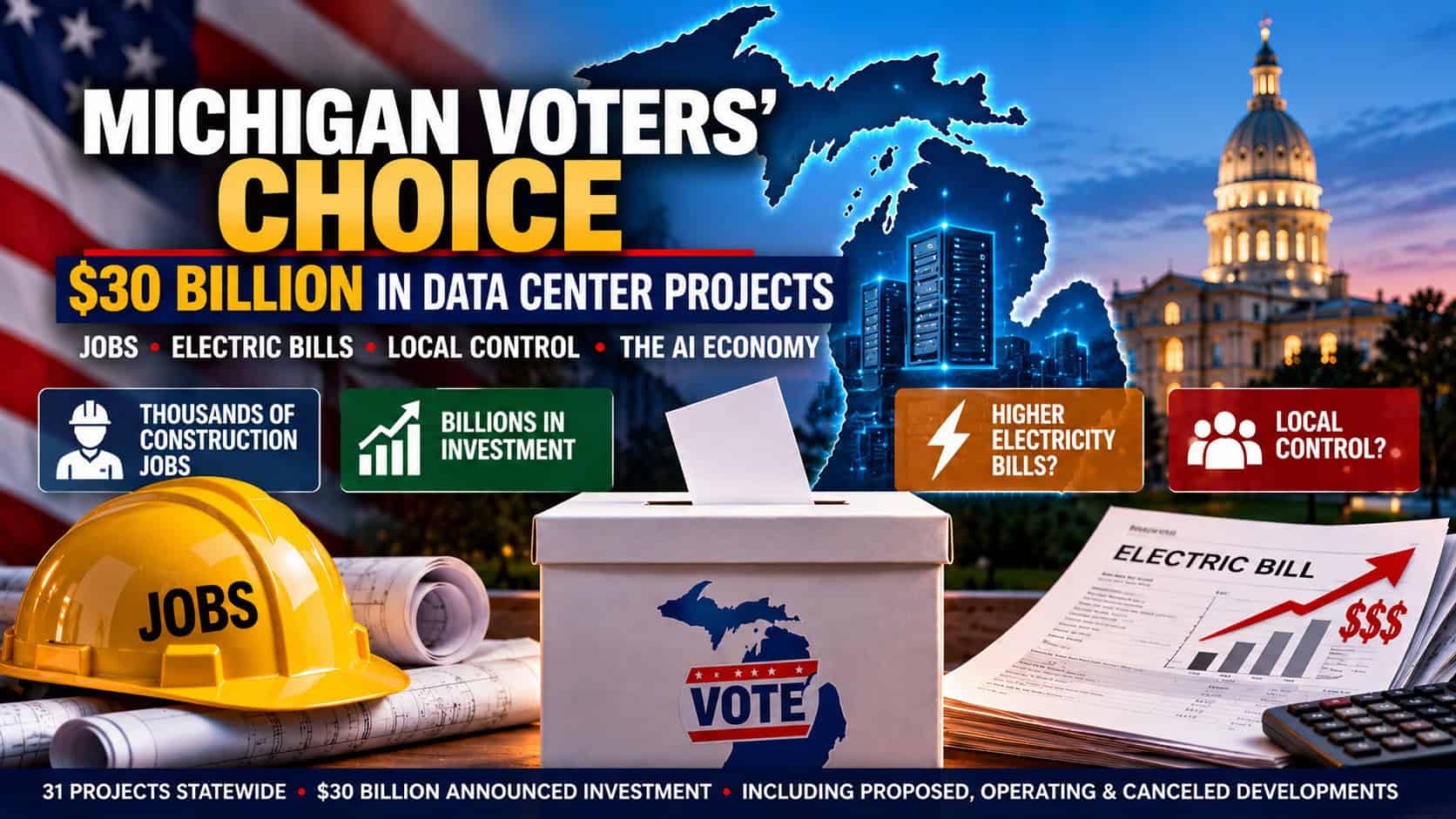
The massive project is expected to support thousands of construction jobs and create hundreds of permanent positions ranging from engineers and network specialists to cybersecurity professionals and data center technicians. Supporters also point to billions of dollars in local spending and tax revenue that could ripple through the broader economy.
For economic development officials, projects like Stargate represent more than a single construction project. They represent an opportunity for Michigan to become part of the infrastructure powering the next generation of artificial intelligence.
The Promise And The Paradox
The challenge is that the same technology attracting investment and creating jobs is also causing concern among policymakers.
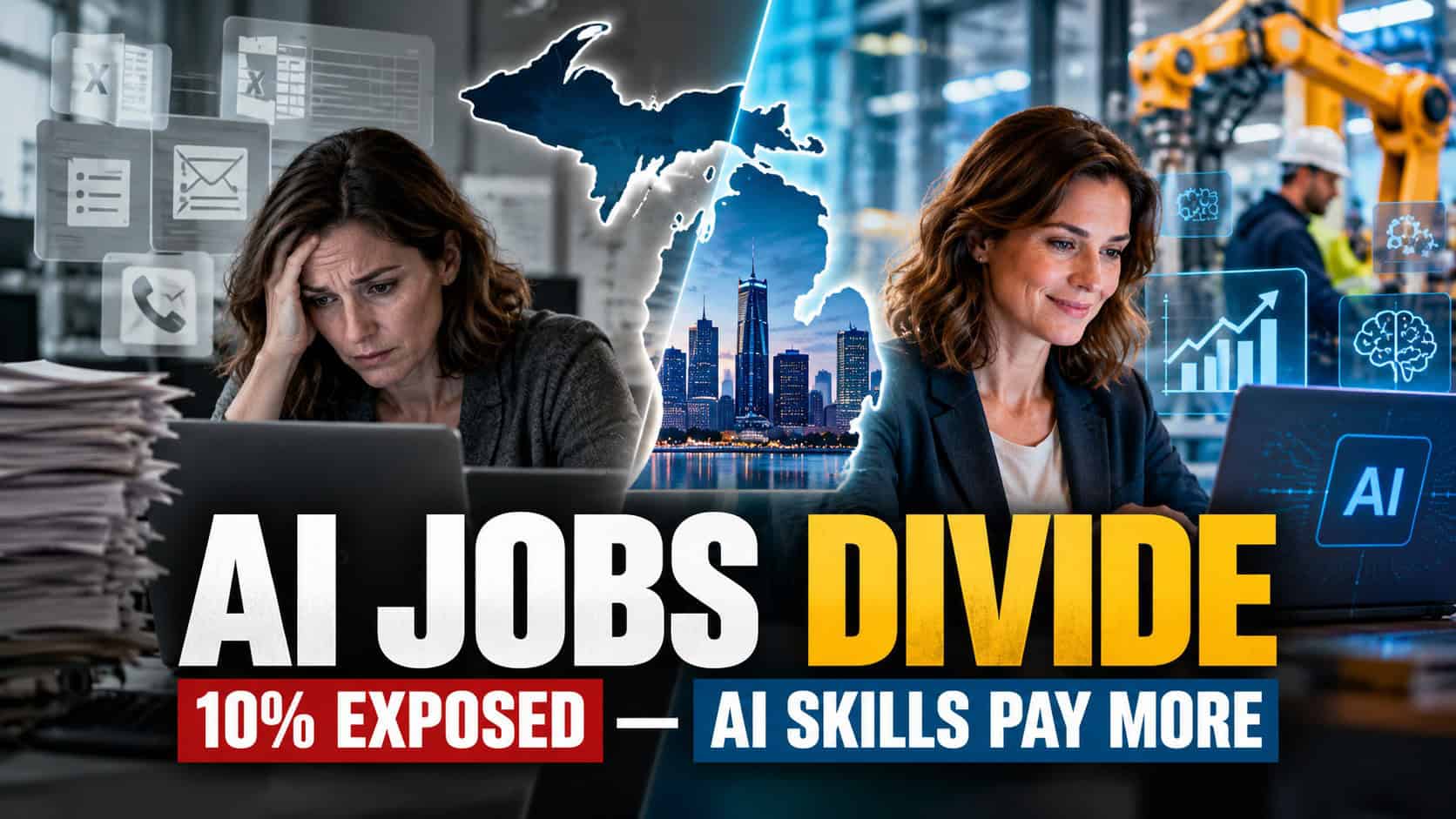
Many of today’s AI systems can already write software code, analyze large volumes of information, identify patterns, summarize research and perform tasks that once required highly trained workers.
Future systems are expected to become even more capable.
Supporters argue those advances could unlock enormous productivity gains and create entirely new industries.
Critics worry the technology could displace some jobs, increase cybersecurity risks, concentrate economic power and potentially create national security vulnerabilities.
That tension is increasingly shaping the national conversation around artificial intelligence.
For Michigan, the outcome matters because the state has already begun tying part of its economic future to AI-driven growth.
What Happens Next?
No one is suggesting that AI development will stop.
The question is whether future regulations, export controls or security requirements could slow deployment, increase compliance costs or change how businesses access the most advanced AI systems.
For Michigan companies investing in AI—and for workers hoping AI will create new career opportunities—the answer could have significant economic consequences.
The state’s leaders are betting artificial intelligence will help create the next generation of Michigan jobs.
Washington is now debating how much freedom the technology should have to grow.