This is Part 3 of our ongoing series on Michigan’s cannabis market transformation.

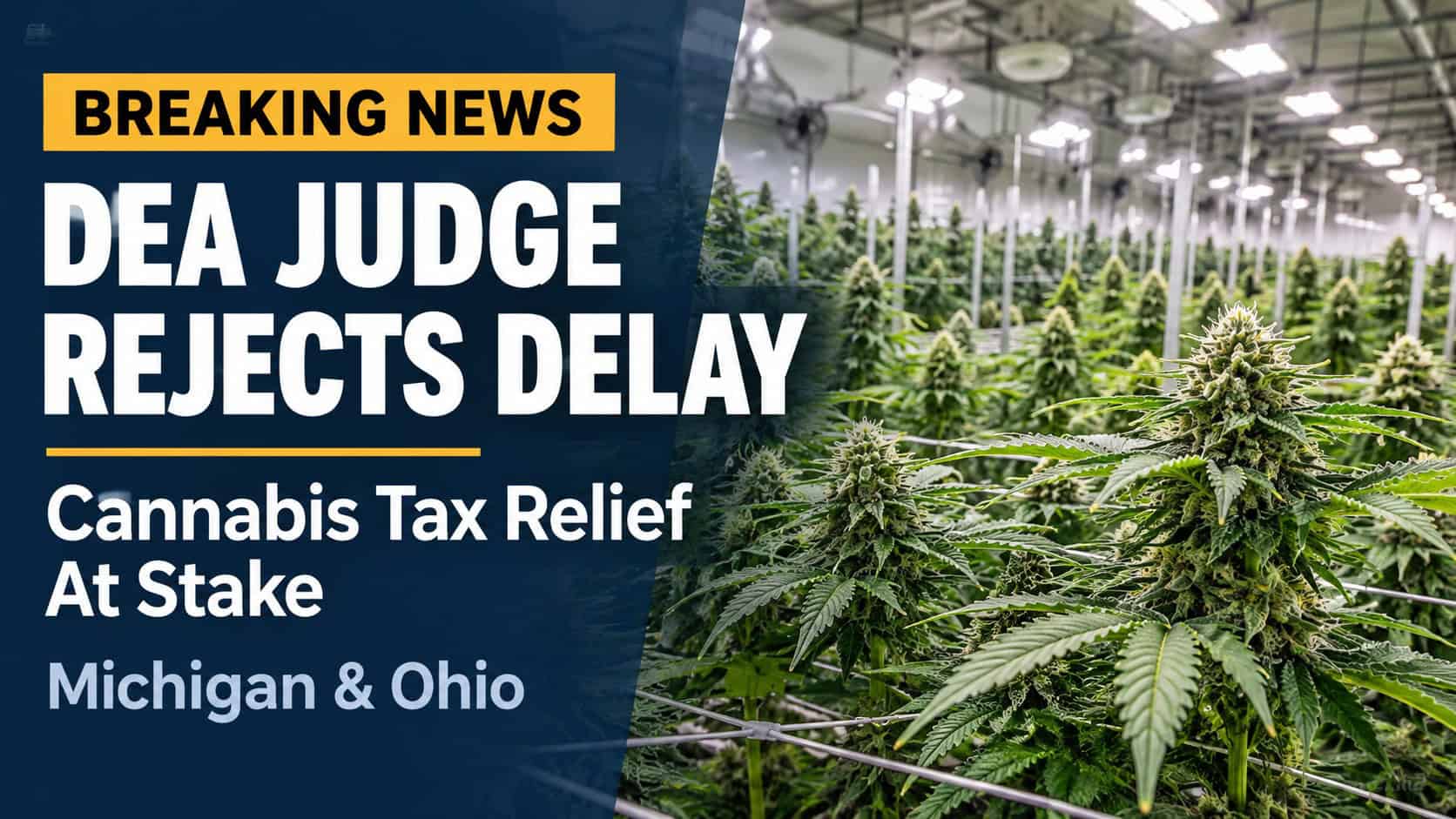
ANN ARBOR – Michigan’s cannabis industry posted a sales rebound in March, but behind the headline numbers, a deeper shift is underway.

This is no longer a growth story.

It’s a survival story.

Following strong early expansion after legalization, the market has entered a new phase—one defined by price compression, oversupply, and rising costs. And that’s creating a clear divide between operators who are adapting—and those who are struggling to stay afloat.

Related: See our previous report on March sales trends and pricing pressure in Michigan’s cannabis market.

Part 2: What It Takes to Survive in Michigan’s Cannabis Market

Part 1: Michigan Cannabis Shakeout: Falling Prices Are Reshaping the Market

The New Reality: Volume Up, Profits Down

On the surface, Michigan’s cannabis market still looks healthy.

Consumers are buying. Sales remain in the hundreds of millions each month. Retail shelves are full.

But operators tell a different story.

  • Prices remain near historic lows
  • Margins are shrinking across the supply chain
  • Costs—from compliance to taxation—are rising

The result: more product is being sold, but less money is being made.

That’s forcing a shakeout.

Who’s Winning Right Now

The companies gaining ground in Michigan right now share a few key traits:

1. Large, Well-Capitalized Operators

Multi-state operators and large Michigan-based companies are better positioned to absorb margin pressure.

They benefit from:

  • Economies of scale
  • Vertical integration (growing, processing, and retailing their own product)
  • Access to capital

These players can afford to lower prices to maintain market share—something smaller operators often can’t sustain.

2. Low-Cost Producers

Growers who can produce cannabis at the lowest cost per pound are thriving in the current environment.

With flower prices hovering near $60 per ounce, profitability depends heavily on:

  • Energy efficiency
  • Automation
  • Yield optimization

In this market, cost control is everything.

3. High-Traffic Retailers

Retailers in prime locations—especially those near population centers or state borders—continue to perform well.

They benefit from:

  • Strong foot traffic
  • Tourist and out-of-state buyers
  • Ability to move volume even at lower prices

Discounting may cut margins, but volume keeps revenue flowing.

4. Brands That Stand Out

While much of the market is commoditized, a handful of brands are breaking through.

These tend to focus on:

  • Product consistency
  • Premium positioning
  • Customer loyalty

Even in a price-driven market, consumers still pay for perceived quality.

Who’s Losing Ground

On the flip side, several groups are under increasing pressure.

1. Small, Independent Operators

Smaller growers and retailers—especially those without strong branding or capital reserves—are being squeezed hardest.

They face:

  • Higher per-unit costs
  • Limited ability to discount
  • Difficulty accessing financing

For many, survival is becoming uncertain.

2. Overleveraged Companies

Operators that expanded aggressively during the boom years are now feeling the consequences.

Debt, combined with falling prices, is creating a dangerous equation:
High costs + low revenue = unsustainable operations

3. Mid-Tier “Stuck in the Middle” Players

Companies that aren’t big enough to scale—but not niche enough to differentiate—are in a particularly tough spot.

They’re competing on price with large operators and on quality with premium brands—and often losing both battles.

The Wild Card: The 24% Wholesale Tax

The state’s new 24% wholesale cannabis tax is adding another layer of pressure.

Set to generate hundreds of millions for road funding, the tax is already impacting how businesses operate.

Industry concerns include:

  • Higher wholesale costs
  • Reduced margins at every level
  • Potential for increased consolidation

Some operators say the tax is accelerating the divide between winners and losers.

What Happens Next: Consolidation

If current trends continue, Michigan’s cannabis market is likely heading toward consolidation.

That means:

  • More closures among small operators
  • Mergers and acquisitions
  • Increased dominance by large players

This is a pattern seen in other mature cannabis markets—and Michigan now appears to be following that path.

The 4/20 Effect: A Short-Term Boost Coming

There is one near-term catalyst that could temporarily lift the market: the April 20 “4/20” cannabis holiday.

Historically, 4/20 is one of the biggest sales days of the year.

Retailers typically respond with:

  • Deep discounts
  • Promotional bundles
  • Increased marketing

What It Could Mean for April Sales

Based on past trends, April sales in Michigan could see:

  • 5% to 15% month-over-month increase driven by promotions
  • A spike in transaction volume, especially in flower and pre-rolls
  • Short-term revenue lift—but further pressure on pricing

In other words:

👉 4/20 will likely boost sales
👉 But it may also reinforce the underlying problem—too much product chasing too little margin

The Bottom Line

Michigan’s cannabis market is entering a defining phase.

The question is no longer how fast it will grow.

The question is:

Who survives—and who doesn’t.

March’s sales rebound shows consumers are still there.

But in today’s market, that alone isn’t enough.