WASHINGTON, D.C. — In a matter of days, Congress delivered two moves that perfectly capture the chaos surrounding U.S. cannabis policy: one aimed at blocking marijuana reform, the other tightening the screws on a booming hemp-derived THC market.
For Michigan — one of the largest cannabis markets in the country — the consequences are anything but theoretical.
State regulators are now scrambling to understand what it all means.
“The CRA is aware that an official announcement has been made regarding the rescheduling of cannabis at the federal level,” said David Harns, spokesman for the Michigan Cannabis Regulatory Agency (CRA). “While this marks a historic and significant development, the details and practical implications of the change are still under review.”
Harns added that the agency is taking a cautious approach.
“The CRA will conduct a thorough analysis of the federal order to fully understand its scope and any potential impact on Michigan’s operations, policies, and compliance obligations,” he said. “Following this review, the CRA will provide more detailed information, including any necessary adjustments or next steps. In the meantime, operations will continue in accordance with existing requirements and applicable guidance.”
Congress Tries to Stop Marijuana Rescheduling
Even as regulators evaluate the shift, a Republican-led congressional committee is moving to block marijuana rescheduling altogether, inserting language that would prevent the Justice Department from carrying it out.
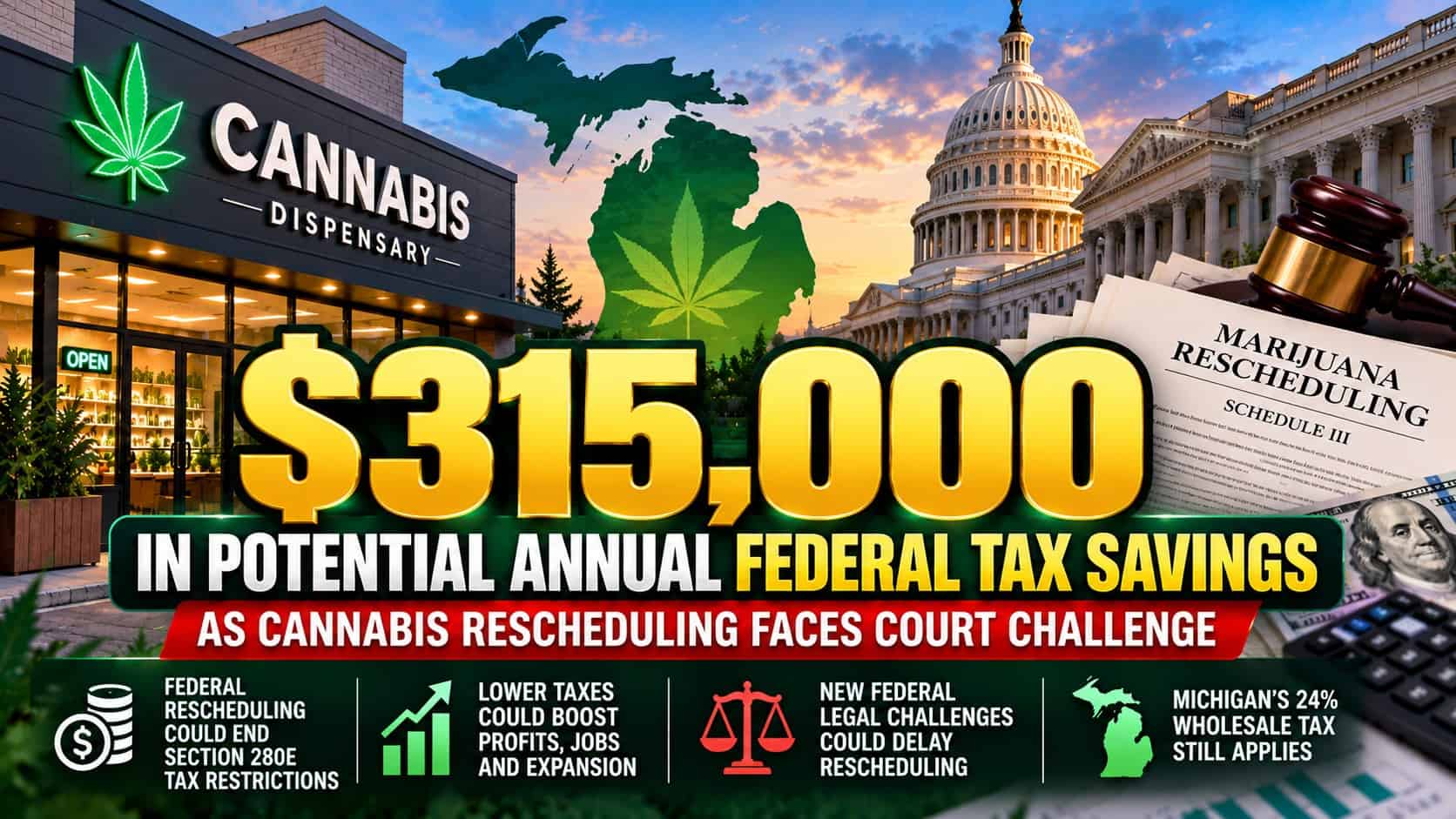
The effort directly challenges the Trump administration’s push to move cannabis from Schedule I to Schedule III — a change that could:
- Eliminate the IRS 280E tax burden
- Expand access to banking
- Unlock broader research opportunities
For Michigan’s largest operators — including multistate companies like Green Thumb Industries, Cresco Labs, Verano, and Curaleaf — the stakes are enormous.
Rescheduling would immediately improve margins in a market already defined by price compression and fierce competition.
Michigan’s Cannabis Market Is Already Under Stress
Michigan isn’t just large — it’s saturated.
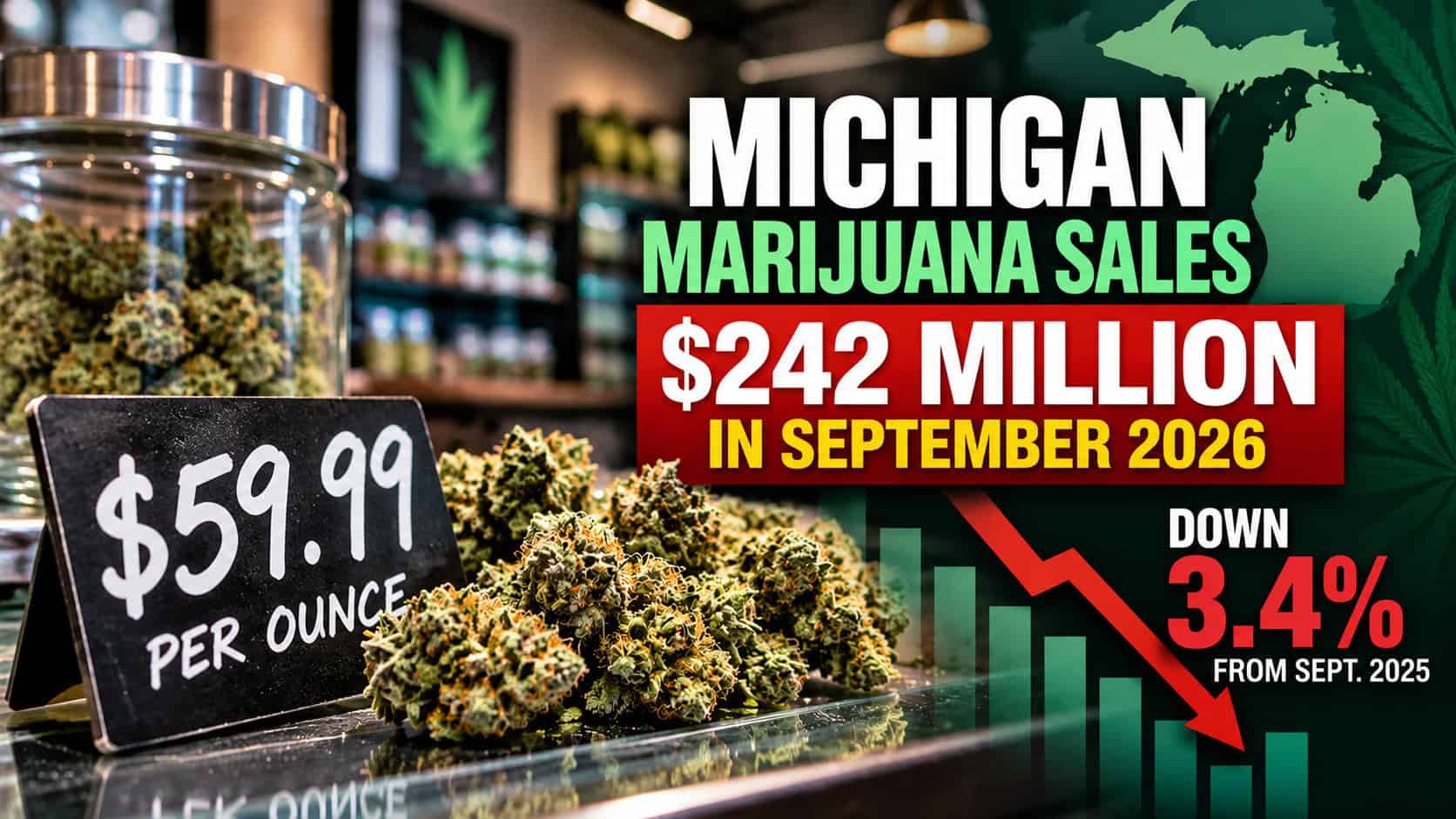
- Cannabis sales exceed $3 billion annually
- Monthly sales have softened in early 2026
- More than 500 cannabis businesses have closed in recent years
With hundreds of growers and more than 400 dispensaries, the state has one of the most competitive markets in the nation.
Prices have fallen sharply — benefiting consumers, but squeezing operators.
If federal tax relief arrives, it could be a lifeline.
If it’s blocked, many businesses may not survive.
Hemp Industry Faces Uncertain Future
While marijuana operators wait for clarity, hemp businesses are facing a very different kind of uncertainty.
The U.S. House has passed a Farm Bill that does not delay a looming crackdown on hemp-derived THC products — keeping a controversial federal policy on track for later this year.
For industry leaders, the implications are still coming into focus.
“At least the conversation has been started,” said Blain Becktold, president of the Industrial Hemp Association of Michigan (iHemp). “The administration is taking the position that access to CBD products should be made available.”
Becktold said the industry is still assessing the full impact.
“We have not had time to fully evaluate how the U.S. House version of the Farm Bill will affect current and future markets for hemp products yet,” he said. “I think this is a positive direction for industrial hemp.”
That cautious optimism stands in contrast to broader industry concerns that new federal THC limits could sharply restrict — or eliminate — many products currently on the market.
The policy would effectively close the so-called “hemp loophole” by imposing strict THC caps, impacting:
- Delta-8 THC products
- Hemp-derived beverages
- CBD products containing trace THC
In Michigan, that affects a parallel marketplace operating largely outside the licensed cannabis system — from smoke shops to wellness retailers.
Michigan Lawmakers Trying to Carve Their Own Path
Even as federal policy tightens, Michigan lawmakers are attempting to create structure.
The CRA has backed Senate Bill 599, which would establish a legal framework for non-intoxicating consumable hemp products in the state. The bill passed the Michigan Senate and is now pending in the House.
That effort aligns with broader regulatory discussions through the Cannabis Regulators Association, aimed at bringing consistency to cannabis and hemp oversight.
But the tension is clear:
👉 Michigan is trying to regulate and stabilize hemp
👉 Federal policy may dramatically shrink the market
Who Wins, Who Loses in Michigan
The collision of these policies creates clear winners and losers.
Big Cannabis Operators
Likely winners — if rescheduling survives
→ Lower taxes, improved margins, expansion potential
Craft and Local Growers
Caught in the middle
→ Competing with falling prices and oversupply
Hemp Businesses
Facing the most uncertainty
→ Still evaluating impact, but potentially significant disruption
Washington isn’t just sending mixed signals on cannabis.
It’s creating a policy environment where one side of the industry could expand while another is still trying to determine whether it can adapt.
Michigan regulators are taking a measured approach. Industry leaders are cautiously optimistic — but still uncertain.
And for businesses across the state, the future of cannabis policy isn’t just unclear.
It’s unfolding in real time — with consequences that could reshape the entire market.