LANSING – On January 1, 2026, Michigan drivers began the new year at the pump with a noticeably different tax structure on gasoline and diesel as part of a sweeping overhaul of how the state funds transportation. Under the new system, the longstanding 6 percent sales tax on fuel has been eliminated and replaced by a higher flat-rate fuel tax, designed to funnel more of what drivers pay directly into road and bridge repair.

Figures reflect approximate state gasoline taxes per gallon and do not include federal fuel taxes or local fees. Michigan’s increase coincides with the elimination of the state sales tax on fuel, shifting revenue directly to transportation funding.
What’s Changing at the Pump
For decades, Michigan drivers paid two taxes on every gallon of gasoline:
-
A flat state excise tax (31 cents per gallon), and
-
A 6 percet state sales tax that applied on top of the price of gasoline.
Under legislation enacted in 2025, the sales tax portion will no longer apply. Instead, the state will rely on a higher fuel tax that starts at roughly 52.4 cents per gallon — about a 21-cent increase over the previous flat tax.
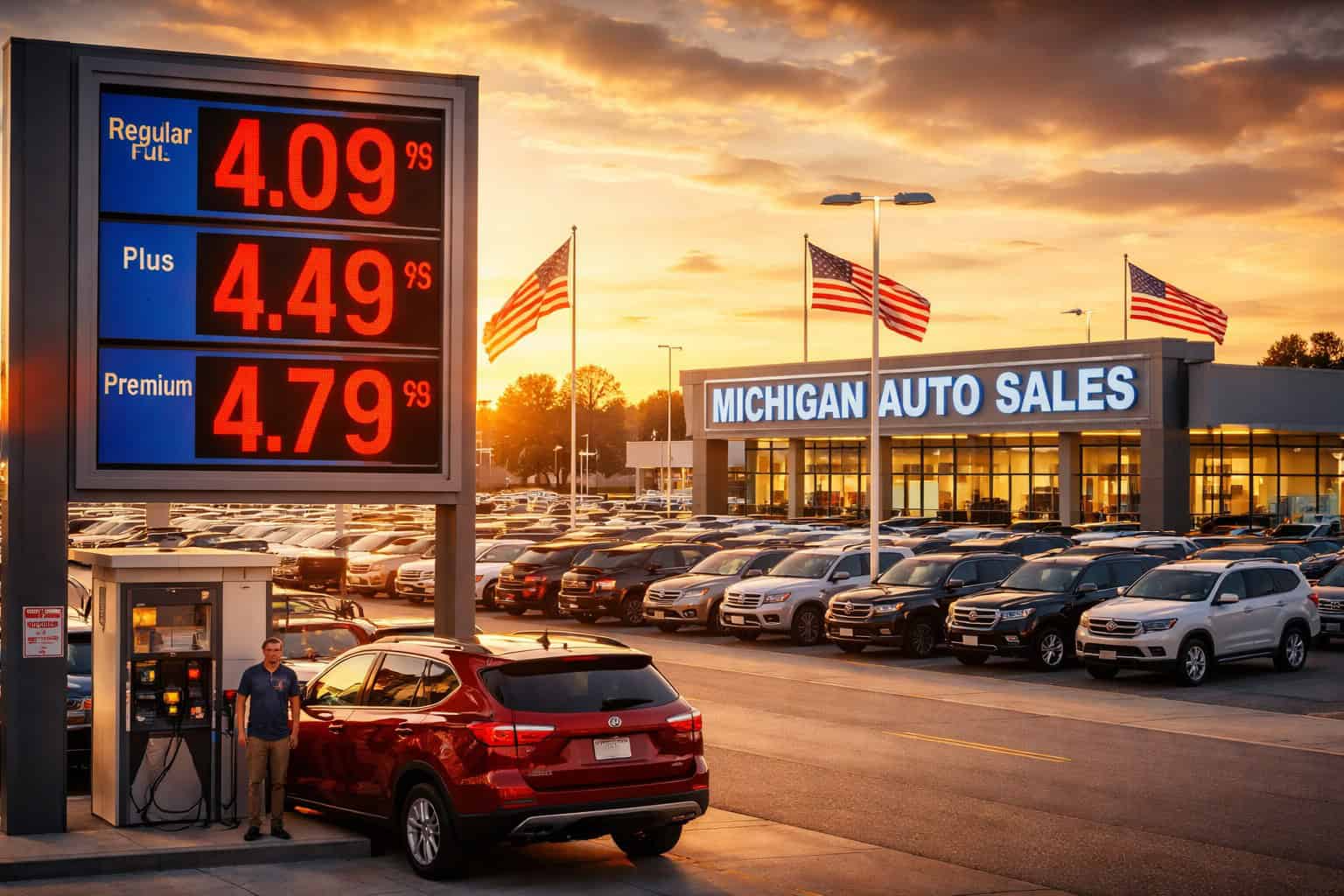
State officials note the actual pump price impact will likely be modest — on the order of a penny or two per gallon, since the sales tax portion was eliminated simultaneously.
Why Michigan Changed How It Taxes Fuel
For years, Michigan was among the few states that taxed gasoline through both a flat excise tax and a percentage sales tax. Critics pointed out that while the sales tax raised significant revenue, none of it was dedicated directly to transportation infrastructure like roads, bridges, and highways — instead going into the state’s general fund for schools and local services.
Public Act 18 of 2025 rewrote that approach. Under the new structure:
-
All fuel tax revenue now goes to the Michigan Transportation Fund, ensuring those dollars are earmarked for transportation projects.
-
The higher per-gallon tax is indexed to inflation, meaning it will rise automatically over time to keep up with construction and maintenance cost growth.
Road Funding Challenges and the “Fix the Damn Roads” Push
Michigan’s transportation network has long struggled with underfunding. For years, lawmakers and governors from both parties argued the state needed a more reliable revenue stream to address deteriorating pavement, potholes, and structurally deficient bridges — issues that cost drivers time and money and burden local governments.
Governor Gretchen Whitmer made improving roads a signature campaign promise, often repeating the phrase “fix the damn roads.” Her administration and legislative allies pushed for a funding overhaul that would significantly increase annual investment — approaching $2 billion or more — in state and local road projects.
Before the overhaul, fluctuating fuel prices meant revenue from the sales tax didn’t align reliably with infrastructure needs. By replacing that percentage tax with a fuel excise model dedicated to transportation, the state aims to stabilize funding so repairs can be planned efficiently rather than year-to-year.
Transportation experts have long cautioned that prolonged under-investment does more than frustrate drivers or delay repairs. As pavement deteriorates and maintenance is deferred, roadway defects accumulate in ways that directly affect safety. Potholes, uneven surfaces, poor drainage, and degraded markings can all contribute to poor road conditions in Michigan that increase accident risk, particularly during winter months when weather amplifies existing infrastructure weaknesses.
What This Means for Electric and Hybrid Vehicles
Drivers of electric vehicles (EVs) and plug-in hybrids, who contribute little or nothing to fuel taxes, will see higher registration fees in 2026 as part of the same transportation reform package. Under that plan:
-
EV owners’ fees increase by about $100, and
-
Plug-in hybrid owners’ fees increase by about $50,
reflecting efforts to have all vehicle owners contribute equitably to road funding.
Reaction from Drivers and Analysts
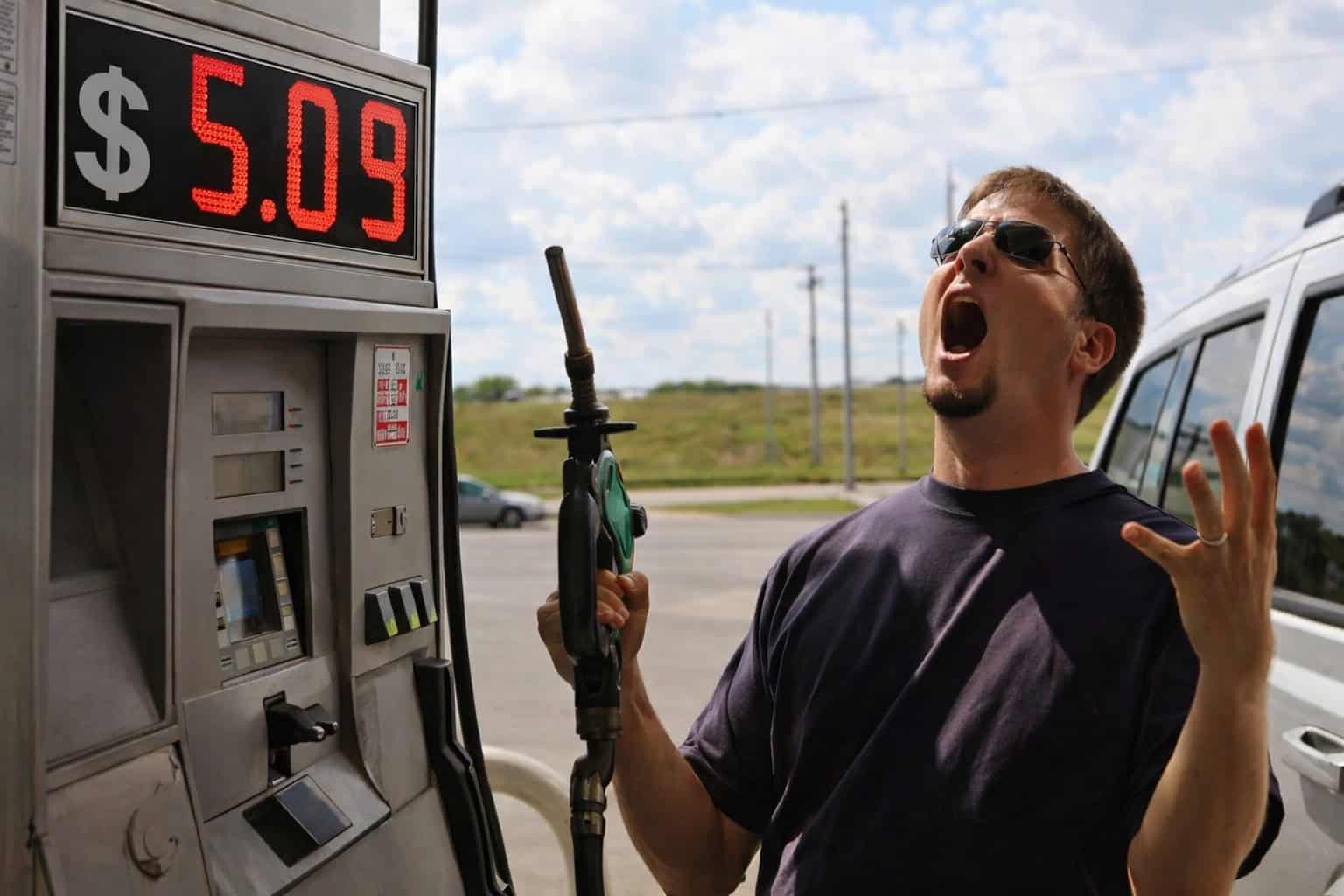
Some Michigan motorists bristled at the idea of higher fuel taxes, especially given the already high cost of gasoline. But transportation officials stressed that the shift makes funding more accountable: every cent drivers pay at the pump will now support roads and bridges, rather than general state spending.
Experts also note that because gas prices naturally fluctuate due to market conditions, the impact on consumer bills may be spread out and gradual, even though the tax shift itself is significant in terms of revenue policy.
The Big Picture: Funding Infrastructure for the Long Term
Michigan’s fuel tax overhaul is not just about slightly higher costs at the pump. It represents a large-scale attempt to:
-
End a long-standing double-tax system,
-
Guarantee that fuel tax money is spent on roads, and
-
Create a sustainable, inflation-linked revenue source for decades worth of repair and maintenance work.
Whether drivers will soon see smoother highways as a result remains a key question — but state leaders say the new revenue model provides the fiscal foundation needed to finally tackle chronic infrastructure issues.