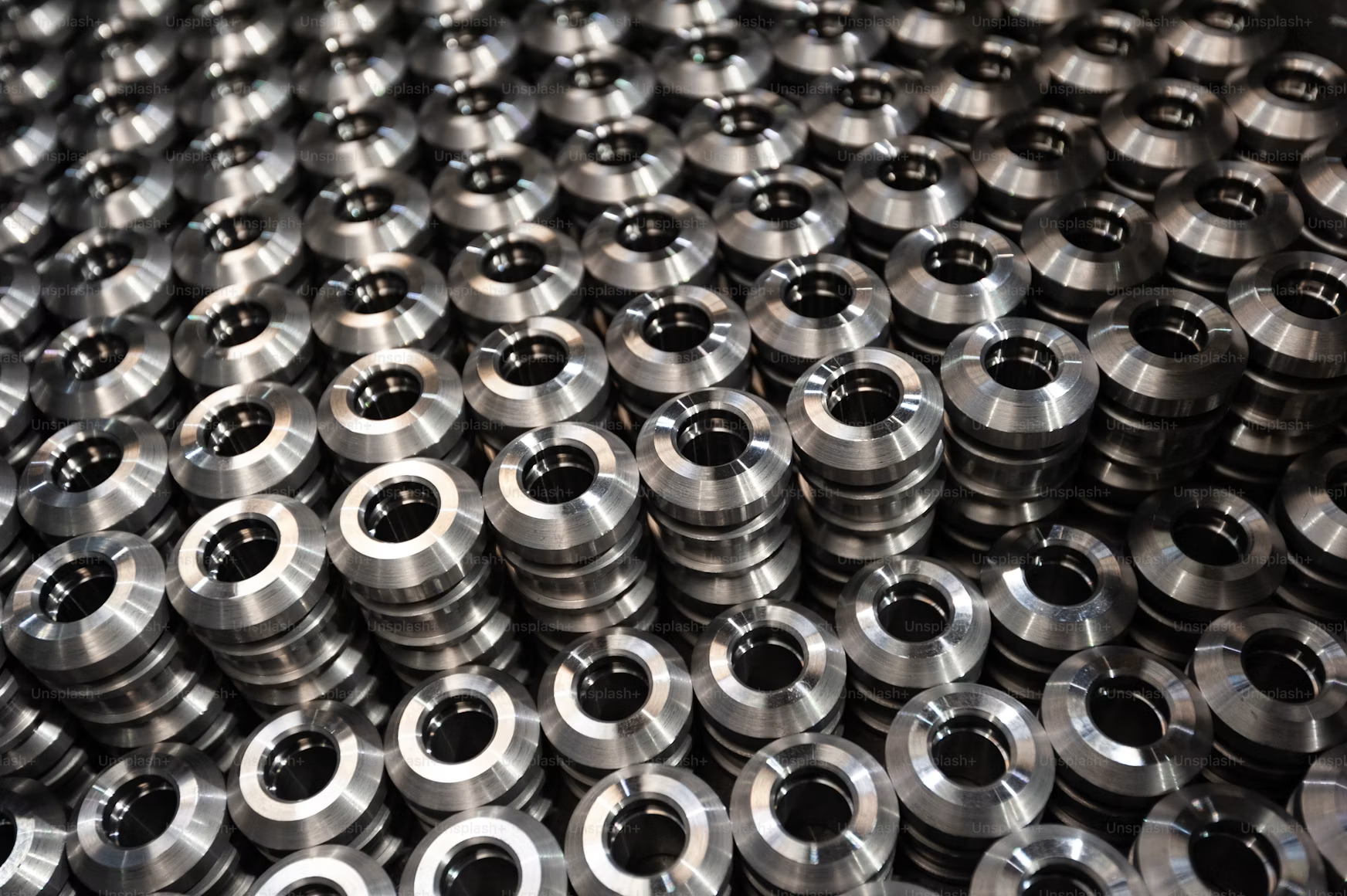
(Source:https://unsplash.com/photos/a-large-amount-of-metal-flanges-sitting-on-top-of-each-other-NAx9fkM8DnI)
Getting bearings for your equipment sounds straightforward. You find a supplier, place an order, and wait for delivery. But the reality of industrial bearing procurement is far more complex. The wrong distributor leads to counterfeit parts, long lead times, and costly equipment failures. The right one becomes a reliable extension of your supply chain.
Here are the seven factors that separate a dependable distributor from one that creates problems down the line.
Why Bearing Distributor Selection Matters for Your Operations
Bearings are precision components. A single substandard part affects machine performance, increases maintenance frequency, and shortens equipment life. Your choice of distributor directly impacts product quality, availability, and the technical support you receive when things go wrong.
This is not just about price. It is about consistency, accountability, and access to the right parts when you need them.
Product Range and Brand Authorization
OEM Bearing Distributor Standards to Look For
Start by checking whether the distributor is an authorized dealer for the brands they carry. Authorized distributors receive products directly from manufacturers. This gives you access to genuine parts with full traceability. It also means the distributor meets specific OEM standards for storage, handling, and documentation.
Ask for proof of authorization. A legitimate distributor provides it without hesitation.
Importance of Carrying Multiple Bearing Brands
A broad product range signals a distributor that serves diverse industries. If they only carry one or two brands, your options become limited during shortages or when a specific application calls for an alternative specification. Look for distributors that stock a variety of types including deep groove, angular contact, spherical roller, and thrust bearings across multiple manufacturers.
Technical Expertise and Application Support
How Knowledgeable Staff Impacts Your Bearing Procurement
You want access to engineers or technical staff who understand bearing applications. Can they help you select the right bearing for a specific load, speed, or temperature condition? Do they understand fit tolerances and mounting requirements?
A distributor with strong technical depth reduces the risk of misapplication. That saves you time and money on replacements. When sourcing from an online bearing store, look for one that offers detailed product specifications and application guidance alongside its catalog.
Value-Added Services That Set Distributors Apart
Some distributors offer services beyond product supply. These include bearing installation training, failure analysis, and inventory management programs. These services add real value, especially for facilities running critical equipment with tight maintenance schedules.
Inventory Availability and Lead Times
Why Stock Depth Is a Core Bearing Supplier Reliability Factor
Inventory availability is one of the most telling bearing supplier reliability factors. A distributor with deep stock fulfills orders quickly. One with thin inventory leaves you waiting or forces you to accept substitutions.
Ask about their warehouse capacity and average stock levels for the products you use regularly. If they cannot give you a clear answer, that tells you something.
Managing Urgency: Same-Day and Emergency Orders
Equipment breakdowns do not wait for normal business hours. Check whether your distributor offers emergency or same-day fulfillment options. Some distributors maintain dedicated fast-track processes for critical orders. This capability is worth paying attention to before you actually need it.
Pricing Transparency and Total Cost of Ownership
Comparing Quotes: A Bearing Vendor Comparison Guide
Price matters, but it is not the only number to evaluate. When comparing distributors, look at the full cost picture. Factor in shipping fees, minimum order quantities, restocking charges, and payment terms.
A slightly higher unit price from a reliable distributor often delivers better total value than a lower price from one with inconsistent delivery or poor quality control.
Hidden Costs to Watch Out For
Watch for distributors that advertise low prices but charge heavily for freight, packaging, or handling. Ask for itemized quotes. If a distributor resists providing one, reconsider the relationship before it costs you more than expected.
Quality Assurance and Counterfeit Prevention
How Authorized Bearing Distributor Benefits Protect Your Business
Counterfeit bearings are a real and growing problem in industrial supply chains. Fake parts look identical to genuine ones but fail under load or at high speed. The consequences range from unplanned downtime to serious equipment damage.
Buying from an authorized distributor eliminates this risk. They source directly from manufacturers, follow strict storage protocols, and provide documentation that confirms product authenticity.
Certifications and Traceability Standards
Look for distributors that hold ISO certifications and maintain clear traceability records. This means they track the full history of each product from manufacturer to delivery. In regulated industries, this documentation is not optional.
Logistics Capabilities and Delivery Reliability
Bearing Sourcing Best Practices for Supply Chain Continuity
Reliable delivery is a non-negotiable requirement. Evaluate a distributor’s logistics network before committing to a long-term relationship. Do they have multiple distribution points? Do they work with reputable freight partners?
For applications requiring mounted components, consider whether the distributor also supplies related hardware. Products like shaft support units integrate directly with bearing assemblies and benefit from sourcing through the same supplier for compatibility and consistency.
Regional vs. National Distributor Coverage
Regional distributors often provide faster local delivery and more personalized service. National distributors offer broader inventory and more fulfillment locations. The right fit depends on your order volume, location, and how frequently you need emergency supply.
Is Your Current Bearing Distributor Really the Right Fit for Your Business?
Choosing the right bearing distributor is a procurement decision with long-term consequences. Evaluate suppliers on authorization, technical support, inventory depth, pricing transparency, quality controls, and logistics reliability.
Start by auditing your current supplier against these seven factors. If gaps exist, begin the process of identifying alternatives now rather than waiting for a supply failure to force the decision. The time you invest in bearing supplier evaluation today directly reduces operational risk tomorrow.