LANSING — Michigan is rapidly becoming a front-line state in America’s data center boom, with proposals worth tens of billions of dollars poised to reshape parts of the state’s rural and suburban landscape — and its power grid.
Utilities and tech giants are racing to lock down land and energy deals for sprawling facilities designed to house the massive computing infrastructure that underpins artificial intelligence, cloud services, and next-generation digital applications. But residents, environmental advocates, and even state officials increasingly describe the trend as rushed, opaque, and potentially costly for everyday Michiganders.

Massive Data Center Plans Stir Controversy in Saline Township
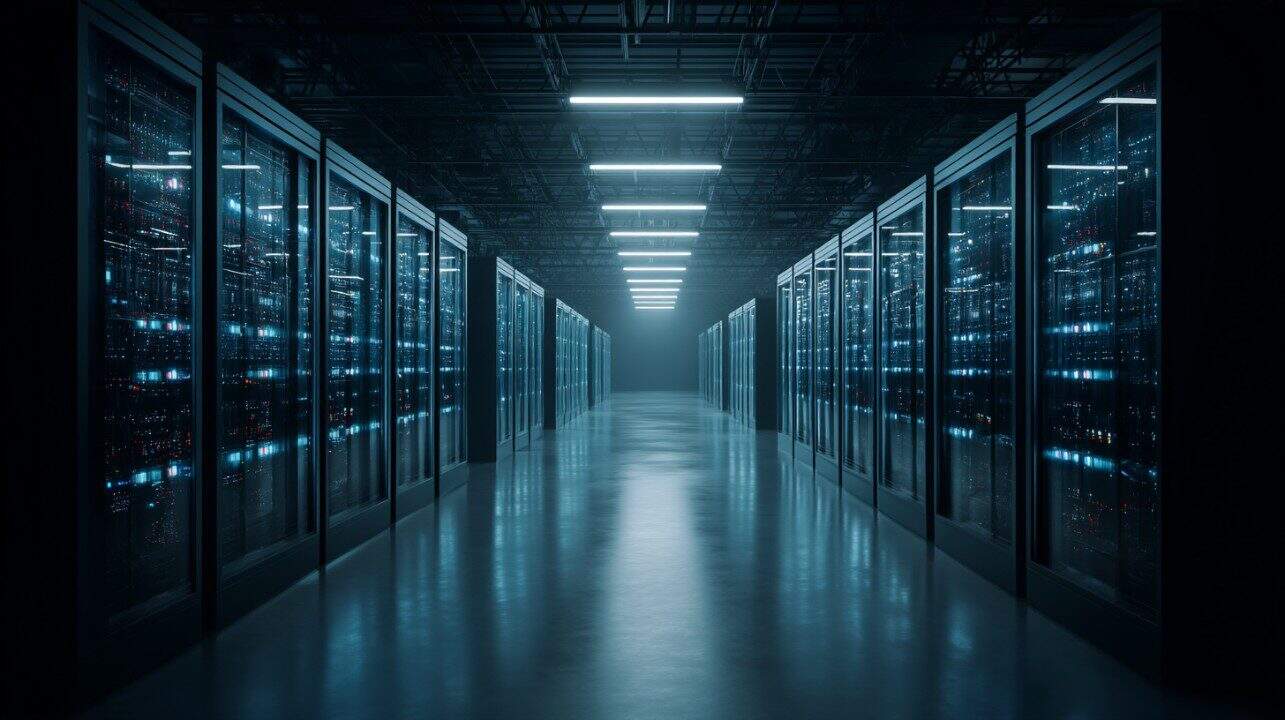
A flagship case is unfolding just south of Ann Arbor, where a planned 1.4-gigawatt, $7 billion data center — backed by Oracle and OpenAI partners — secured rapid approval from the Michigan Public Service Commission (MPSC) in December 2025. The commission voted to allow DTE Energy to power the facility under special contracts without the full contested case process some critics demanded.
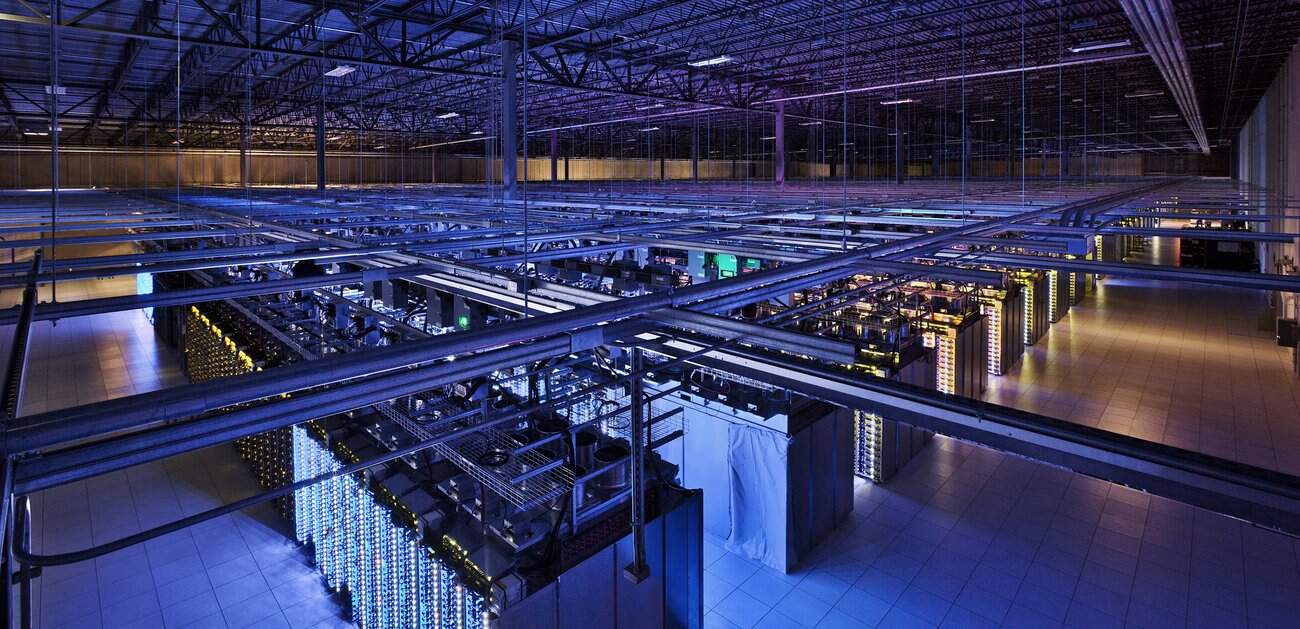
The scale of the facility is staggering: 575 acres of farmland, a projected 1.4 GW power draw, and construction that could start as early as 2026. DTE officials argue the arrangement won’t increase rates for other customers, and regulators say they included cost-allocation safeguards.
But opponents, including Attorney General Dana Nessel, environmental groups, and local residents, say the fast-track process lacked transparency, redacted critical contract details, and denied opponents a fair opportunity to present testimony in a formal hearing.
Environmental and community advocates warn that such massive energy demands could jeopardize Michigan’s clean energy goals and strain local resources. Data centers of this scale have prompted calls for a statewide moratorium on new AI data centers, with rallies planned at the state Capitol and grassroots pressure growing for tighter scrutiny.
More Than a Single Mega-Project: A Wave of Proposals Across the State
The Saline project is just the tip of the iceberg.
-
Lyon Township (Oakland County): A proposed hyperscale facility known as “Project Flex,” backed by Sidewalk Infrastructure Partners with investment from Alphabet (Google), received conditional planning commission approval. Residents say they learned of plans only through neighbors and social media, sparking backlash over the lack of community engagement.
-
Southfield: City officials and planning commissioners are set to hear public input on the Metro Bloks data center, a smaller but still controversial development near I-696.
-
Washington Township: Local planners postponed a data center rezoning decision after over three hours of resident comments, highlighting rising civic pressure in smaller communities.
-
Across Michigan, at least 10 communities have been approached by developers considering new data center projects — from Howell to Ypsilanti and beyond.
Even townships are acting. Green Charter Township recently imposed a one-year moratorium on data center permits to study impacts before allowing more. Big Rapids Pioneer And Ypsilanti Township updated zoning to restrict data center builds to specific industrial revitalization zones only.
Energy Demand, Water Use, and Infrastructure Strain
Data centers are known for voracious electricity and water requirements — and Michigan is no exception.
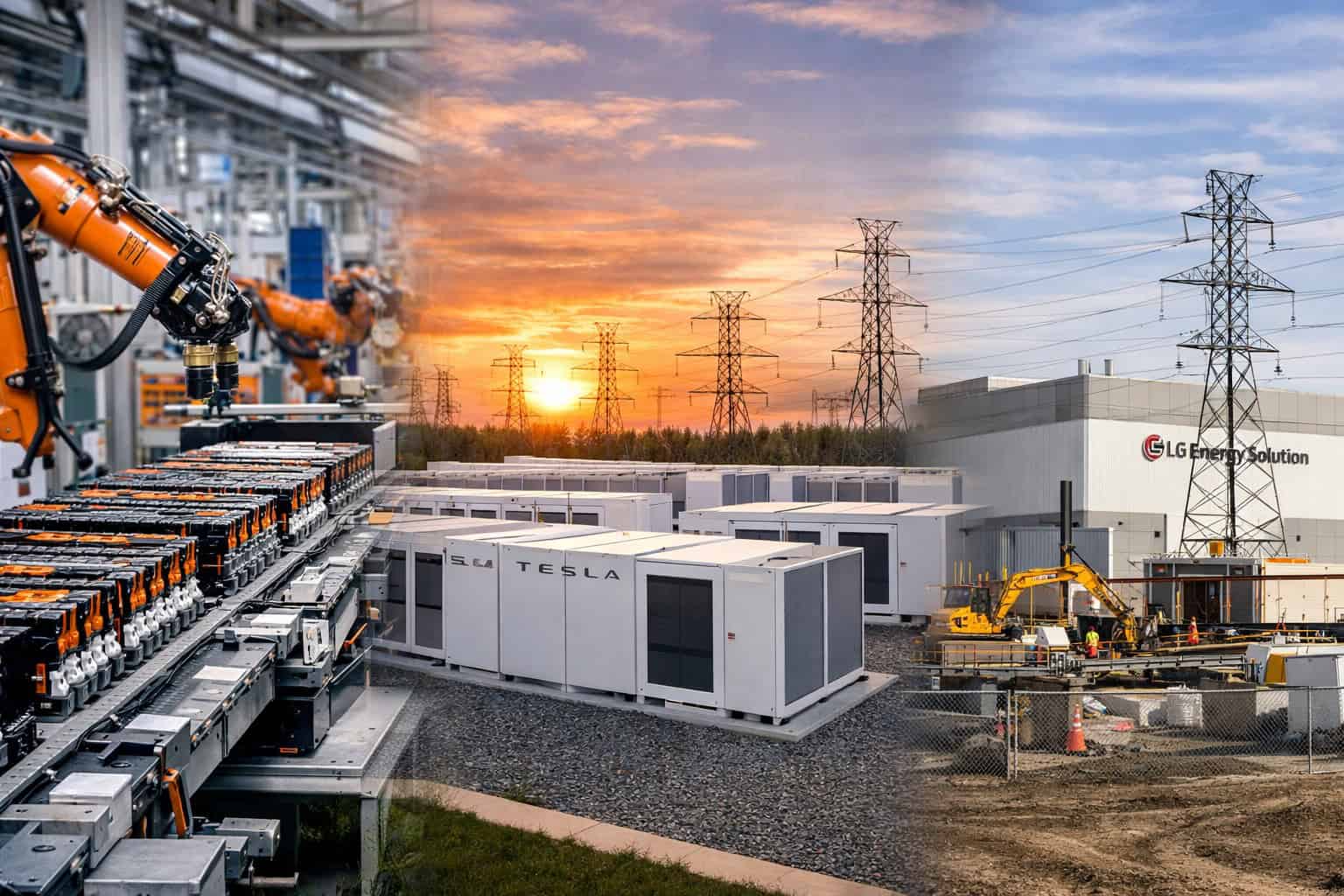
Utilities have already announced plans to connect 6.4 gigawatts of data center load across the state, with DTE signing deals for 1.4 GW and Consumers Energy pursuing another 2 GW across three facilities.
That kind of demand is roughly equivalent to adding the power requirements of several midsize cities onto the grid within a few years, raising concerns among ratepayer advocates that costs could be shifted to residential customers without adequate protections.
Data centers also use significant water for cooling. While closed-loop systems can reduce draw on municipal resources, hyperscale centers can still use millions of gallons daily — sometimes more than 10,000 residents’ annual water needs.
Critics worry these demands could slow Michigan’s transition to renewable energy and increase emissions if utilities maintain fossil generation capacity to serve them.
Economic Promises vs. Local Costs
Proponents of data center development emphasize job creation, investment, and economic diversification.
The Saline Township project is expected to create thousands of construction jobs and hundreds of permanent roles, according to advocates, and Gov. Gretchen Whitmer has called it a potential national model for balancing economic growth with environmental protection.
Developers and utilities also highlight new tax revenues and investment in local infrastructure.
But opponents point to limited long-term employment, conversion of farmland, and uncertain community benefits. Some describe the facilities as a version of “industrial bulldozing” with little regard for rural character and environmental risk.
Regulatory Dynamics and Public Scrutiny
Michigan regulators have become a focal point in these debates.
The MPSC’s quick approval of the Saline data center’s power contracts has drawn sharp criticism for avoiding a contested case, a process that allows public testimony and deeper legal scrutiny. Planet Detroit Attorney General Nessel and lawmakers have voiced frustration and called for more rigorous hearings on utility agreements with data center developers.
At the same time, state policy and tax rules — including sales and use tax exemptions enacted to attract data centers — are under review, with some lawmakers proposing repeals to balance economic development with fairness and local impact.
The Big Picture: Michigan’s Role in the Data Center Race
Michigan’s appeal to data center developers is clear: cold climate, abundant water resources, competitive tax incentives, and available transmission capacity make the state competitive with traditional hubs like Virginia and Texas.
Yet the rapid pace of proposals — from Saline and Lyon Township to Southfield and beyond — reflects a broader national trend where data center energy demand is projected to grow dramatically, potentially comprising double the current electricity usage by some estimates.
As the industry continues to expand, policymakers, utilities, and communities are wrestling with questions about who should pay for grid upgrades, how to protect water resources and local environments, and what level of public participation and transparency should be required before projects clear regulatory hurdles.
What to Watch Next
- Energy policy: Lawmakers may consider rate protections or moratoria as citizen protests and legislative pressure grow.
- Local zoning: Townships are adjusting zoning and permitting to manage data center creep at the community level.
- MPSC hearings: Future contested cases could set precedents for how utilities and developers negotiate power and cost responsibilities.
- Environmental limits: Water usage, renewable integration, and grid capacity remain core issues shaping public opinion and regulatory scrutiny.