ANN ARBOR – Michigan’s push to become a hub for artificial intelligence infrastructure is running into a hard constraint: the electric grid.
As hyperscale data centers expand across the United States, their massive energy demands are forcing utilities, regulators, and local communities to confront a difficult question—how to power the next generation of computing without driving up costs or straining reliability.
In Michigan, that debate is no longer theoretical.
It’s unfolding in real time.
Saline Project Becomes Ground Zero
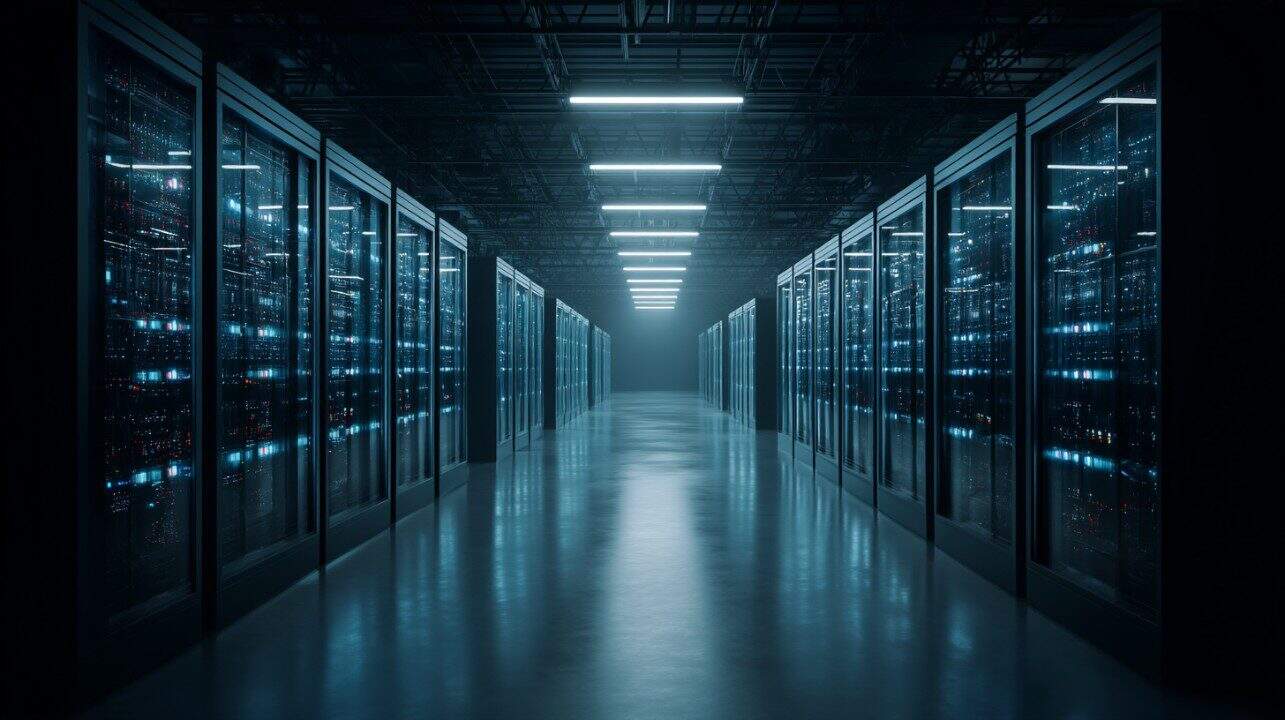
A massive proposed data center near Saline has become the focal point of the state’s growing tension between economic development and infrastructure limits.
A Washtenaw County judge recently rejected a legal challenge from residents seeking to intervene in a settlement tied to the project, allowing development to move forward.
The scale is unprecedented for the region.
Plans call for a facility capable of consuming more than a gigawatt of electricity—roughly equivalent to the power demand of a mid-sized city.
That level of consumption has shifted the conversation away from zoning disputes to something far more consequential:
Whether Michigan’s power grid can keep up.
Grid Capacity, Not Land, Is the Real Constraint
Energy experts say the biggest challenge is not where data centers are built—but how they are powered.
Unlike traditional commercial or industrial users, data centers require:
- Continuous, 24/7 electricity with no interruption
- Massive cooling systems that increase energy demand
- Dedicated infrastructure to ensure reliability
In Michigan, regulators have already approved supplying up to 1.4 gigawatts of power to support large-scale data center operations tied to the Saline project.
That raises a critical issue:
Can the grid expand fast enough without affecting existing customers?
The Grid Is Facing Competing Demands
Michigan’s grid is not just being reshaped by data centers.
It is being stretched in multiple directions at once.
The rapid growth of artificial intelligence infrastructure is colliding with broader electrification trends, including the push toward electric vehicles, increased reliance on digital devices, and the expansion of electric heating and industrial systems.
Each of these trends adds new demand to the grid.
But unlike most forms of consumption, data centers require large, continuous blocks of power—often operating around the clock at levels comparable to small cities.
That creates a new dynamic:
Not all electricity demand is created equal.
Utilities and regulators must now balance:
- High-density, always-on industrial loads from data centers
- Growing but variable demand from electric vehicles
- Baseline residential and commercial usage
The result is a system under increasing pressure to deliver more power, more reliably, than ever before.
Who Pays for the Infrastructure?
That question is quickly becoming the most contentious part of the debate.
Large-scale data centers often require:
- New substations
- Expanded transmission lines
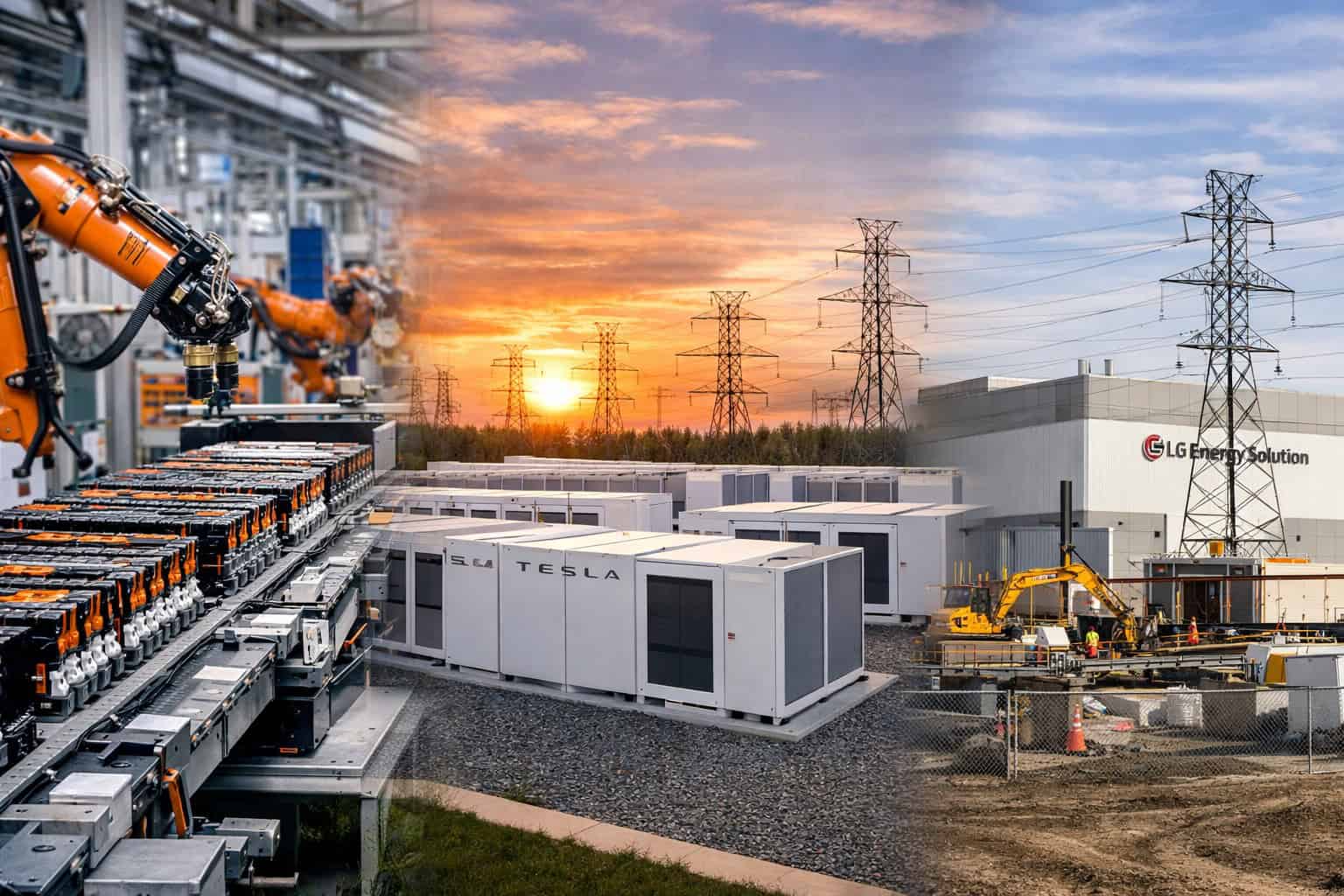
- Significant upgrades to existing grid infrastructure
Utilities including DTE Energy and Consumers Energy have argued in filings before the Michigan Public Service Commission that large-load customers such as data centers should be responsible for the incremental costs required to serve their operations, including interconnection and infrastructure upgrades.
However, regulators and consumer advocates are continuing to scrutinize whether broader system-wide upgrades—needed to support long-term demand growth—could still place upward pressure on rates for existing customers.
That distinction—between direct costs and system-wide costs—is emerging as the central battleground in Michigan’s energy policy.
State Officials Raise Red Flags
The issue has already drawn scrutiny from top state officials.
Dana Nessel has challenged utility agreements tied to large-load energy contracts, warning that regulators must ensure existing ratepayers are not left subsidizing infrastructure built to support private development.
Her office has pushed for additional review of how these agreements are structured, signaling that oversight of data center energy deals is likely to intensify.
Local Pushback Is Growing
The controversy in Saline reflects a broader statewide trend.
Across Michigan:
- Communities are weighing restrictions or moratoriums on new data center projects
- Lawmakers are considering legislation to pause development while long-term impacts are studied
- Residents are raising concerns about land use, water consumption, and energy demand
Michigan lawmakers backing a proposed moratorium say many local governments lack the technical expertise and resources to fully evaluate projects of this scale—particularly when complex energy infrastructure is involved.
Big Investment, Limited Jobs
Supporters of data center development point to clear economic benefits:
- Billions in capital investment
- Construction jobs
- Increased local tax revenue
But critics argue those benefits may not match the long-term costs.
Once operational, data centers typically employ relatively few full-time workers compared to their size and resource demands.
That imbalance is fueling skepticism in communities being asked to host them.
A National Trend With Local Consequences
Michigan’s situation mirrors a broader national pattern.
Across the country, utilities and regulators are grappling with how to integrate energy-intensive data centers without destabilizing the grid or shifting costs onto existing customers.
Industry analysts note that while large-load customers are often required to fund direct infrastructure, the ripple effects on the broader system are still being debated.
The Bottom Line
The Saline court ruling may have cleared one legal hurdle, but it has intensified a much larger issue.
Michigan is now at the center of a fundamental shift in how electricity is produced, delivered, and paid for.
The future of AI infrastructure in the state will depend on more than land or investment capital.
It will depend on whether the grid—and the policies governing it—can handle the load without passing the cost on to everyone else.