ANN ARBOR – Electricity and natural gas bills are quietly becoming one of the biggest cost pressures on American households — and Michigan residents are feeling it faster and harder than many others.
Across the U.S., utilities are winning approval for billions of dollars in rate increases tied to grid upgrades, transmission expansion, and rising demand. In Michigan, those national pressures intersect with some of the country’s highest electricity rates, frequent rate cases, and a lesser-understood factor baked directly into customer bills: regulated returns paid to utility shareholders.
Michigan reflects those same forces — but with added exposure.
What’s Happening in Michigan Right Now
Michigan’s two dominant investor-owned utilities — DTE Energy and Consumers Energy — are pursuing or have recently received approval for large rate increases that will affect millions of households.
-
Consumers Energy has requested an electric rate increase of roughly $436 million annually, a proposal that could translate into double-digit percentage increases for residential customers if approved largely as filed.
-
Consumers customers are already absorbing a natural gas rate increase of about 8%, adding roughly $6 to $7 per month to a typical household bill.
-
DTE Energy has sought an electric rate increase exceeding $500 million, which could raise average residential bills by low-to-mid double-digit monthly amounts, depending on how regulators rule.
The Michigan Public Service Commission (MPSC) and the state Attorney General have intervened in several of these cases, arguing that repeated increases are straining household and small-business budgets.
Why Michigan Bills Keep Climbing
Michigan electricity rates have roughly doubled over the past two decades, according to public regulatory data. Several structural factors are driving that trend:
-
Utilities can file new rate cases as often as once per year, creating near-constant upward pressure.
-
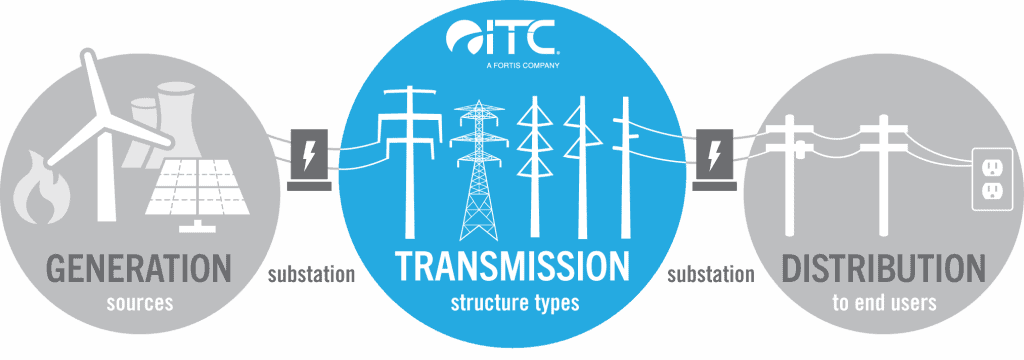
Billions are being invested in grid reliability, storm hardening, and transmission lines — costs largely passed on to customers.
-
Natural gas price volatility affects heating bills in a state where roughly three-quarters of homes rely on gas heat.
-
Electricity demand is rising, increasing long-term system costs.
But there is another piece of the bill that many customers don’t realize they are paying.
Publicly Traded Utilities — And the Returns Built Into Rates
Both major Michigan utilities are part of publicly traded companies:
-
DTE Energy trades on the New York Stock Exchange.
-
Consumers Energy is the primary utility subsidiary of CMS Energy, which is also publicly traded.
Utilities do not guarantee shareholders a fixed return on their stock. Share prices rise and fall with the market.
However, under Michigan’s rate-of-return regulatory system, the MPSC sets an “allowed return on equity” (ROE) — the percentage utilities are permitted to earn on shareholder capital invested in infrastructure and recovered through customer rates.
In recent Michigan rate cases:
-
Regulators have authorized ROEs for DTE and Consumers in the ~9.8% to 9.9% range.
-
That return is embedded in customer bills, meaning ratepayers fund not only operating costs and infrastructure, but also a regulated profit margin on shareholder investment.
This is not a guaranteed stock market return — but it is a guaranteed earnings target within the rate structure, as long as utilities meet regulatory conditions.
Consumer advocates argue that higher allowed ROEs translate into hundreds of millions of dollars over time that customers pay as part of approved rates, while utilities and investors argue the returns are necessary to attract capital for large infrastructure projects.
Heating Bills Could Rise Again This Winter
The MPSC’s most recent Winter Energy Appraisal projects higher residential natural gas prices compared with last year — a concern for Michigan households already coping with rising electric bills.
Even modest increases in gas commodity prices can drive noticeable spikes during cold months, especially when combined with higher fixed delivery charges approved in recent rate cases.
New Transparency, Same Math
One recent regulatory change gives customers more clarity — but not necessarily lower bills.
Michigan regulators now require utilities to clearly disclose the estimated dollar impact of proposed rate increases on a typical customer’s bill before approval. The goal is transparency, allowing consumers and policymakers to better understand what’s at stake.
What the rule does not change is the underlying cost structure: utilities are still allowed to recover infrastructure investments plus a regulated return on equity from ratepayers.
Why Michigan Matters Nationally
Michigan is increasingly viewed as an early warning system for what many states may face as electricity demand rises nationwide.
From data centers and electrification to grid modernization and climate resilience, utilities across the country are making massive capital investments — and customers are financing much of it through rates.
For Michigan households, the takeaway is immediate: utility bills are no longer background expenses. They are becoming a central affordability issue, shaped by technology, regulation, and financial structures most customers never see.
Rising electricity and gas bills aren’t the result of a single policy or company decision. They reflect structural changes in how energy is financed, regulated, and delivered — with costs flowing directly to consumers.
For Michigan ratepayers, the question is no longer whether bills will rise, but how often, by how much, and who ultimately benefits when they do.