LANSING -Michigan Attorney General Dana Nessel filed a high-stakes federal antitrust lawsuit this week targeting major oil companies—including BP, Chevron, Exxon and Shell—and the American Petroleum Institute, alleging a decades-long conspiracy to stifle competition from renewable energy and electric vehicles.
The suit, filed in U.S. District Court in western Michigan, frames the case as not just environmental policy but economic and industrial policy with direct implications for Michigan’s auto manufacturing base.
“For too long … these players acted as a cartel to slow the adoption of cleaner alternatives and maintain fossil fuel dominance,” Nessel said. While the defendants have largely declined to comment, the case quickly became a flashpoint in debates over the future of U.S. auto manufacturing.

EV Manufacturing in Michigan: Built-In Advantages, Emerging Challenges
Michigan has been one of the most active U.S. states in attracting EV and battery investments over the past several years. Ford, General Motors and Stellantis have announced major projects here—ranging from EV battery plants to electrified assembly lines—creating thousands of jobs and positioning the state as a central node in the domestic EV supply chain.
-
Ford Motor Company has invested billions in EV battery facilities, notably the BlueOval Battery Park in Michigan, and previously committed a new EV battery manufacturing facility in Marshall that’s expected to bring thousands of jobs.
-
General Motors invested significant capital to transition its Detroit/Hamtramck Assembly to the “Factory Zero” EV plant, and made multibillion-dollar bets on EVs and batteries—including projects slated to employ thousands.
-
Stellantis has also expanded electrification capability at its Sterling Heights Assembly in Michigan, marking one of the company’s first major U.S. EV assembly efforts.
Analysts have estimated that if Michigan fully capitalizes on EV adoption, the state could see tens of thousands of new jobs in assembly, battery manufacturing, and supplies by 2030—possibly as many as 56,000 additional jobs compared with a scenario without EV growth.
Market Reality: Demand Fluctuations and Workforce Impacts
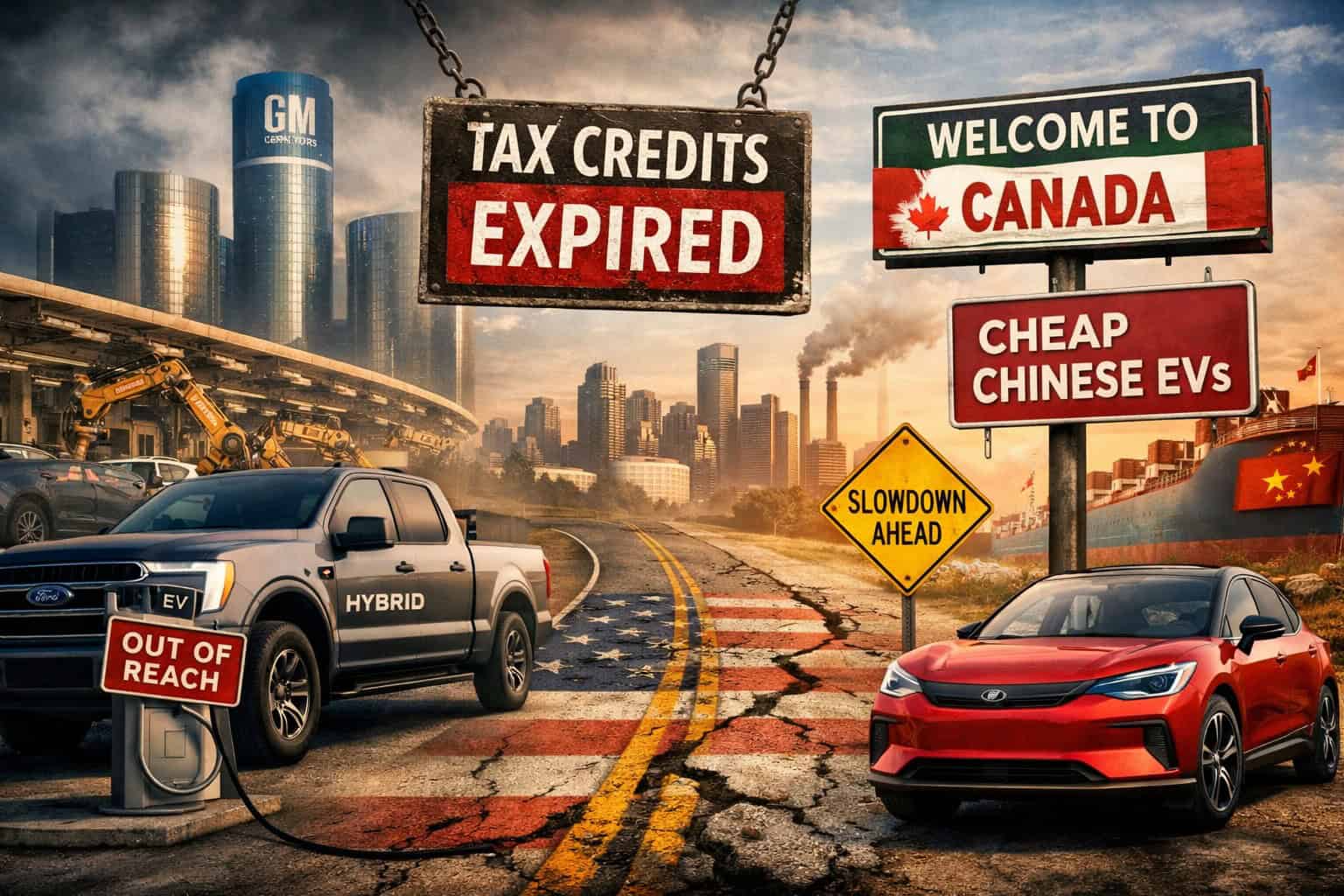
But the transition hasn’t been smooth. Major OEMs—including GM—have recently scaled back EV production forecasts and cut or paused jobs at some Michigan EV plants in response to softer consumer demand and shifting regulatory incentives. GM’s Factory Zero, for example, has reduced shifts and laid off hundreds of workers amid slower EV adoption and changes to federal tax credits.
For Michigan autoworkers, the shift to EVs has been a dual-edged sword: while new investment brings opportunities, it also introduces volatility. Suppliers with plans to expand EV-related manufacturing have scrapped projects, and smaller plants face pressure from global competitive forces and federal policy shifts that affect EV demand.
Why the Lawsuit Matters to Michigan’s Industrial Future
Nessel’s lawsuit isn’t just about fossil fuel companies; it’s about who wins the next era of automotive manufacturing. EVs require different inputs—batteries, advanced semiconductors and charging infrastructure—than internal-combustion vehicles, creating new industrial ecosystems. Michigan’s rich engineering workforce and legacy production footprint give it an advantage, but that edge only holds if demand materializes and investment keeps flowing.
Legal experts say the antitrust angle highlights how entrenched market interests can shape technology adoption. For Michigan, that could mean rekindling investment momentum at a moment when global EV production is intensifying competition from Europe and Asia.
The Stakes for Jobs and Policy
Michigan’s auto sector still employs hundreds of thousands directly and indirectly. EV production and battery supply chains could be a major engine of growth—but only with stable policies that support demand, workforce training, and supplier networks. The lawsuit adds another layer to the ongoing policy debate over federal EV incentives, emissions standards, and domestic manufacturing incentives.
Even as Michigan courts weigh the legal merits of the case, the broader industrial signal is clear: the battle over energy markets is also a fight for the future of auto manufacturing jobs in the state.