DETROIT – Michigan shoppers may soon feel a new wave of price increases at the grocery store—and the cause starts far from the checkout line.
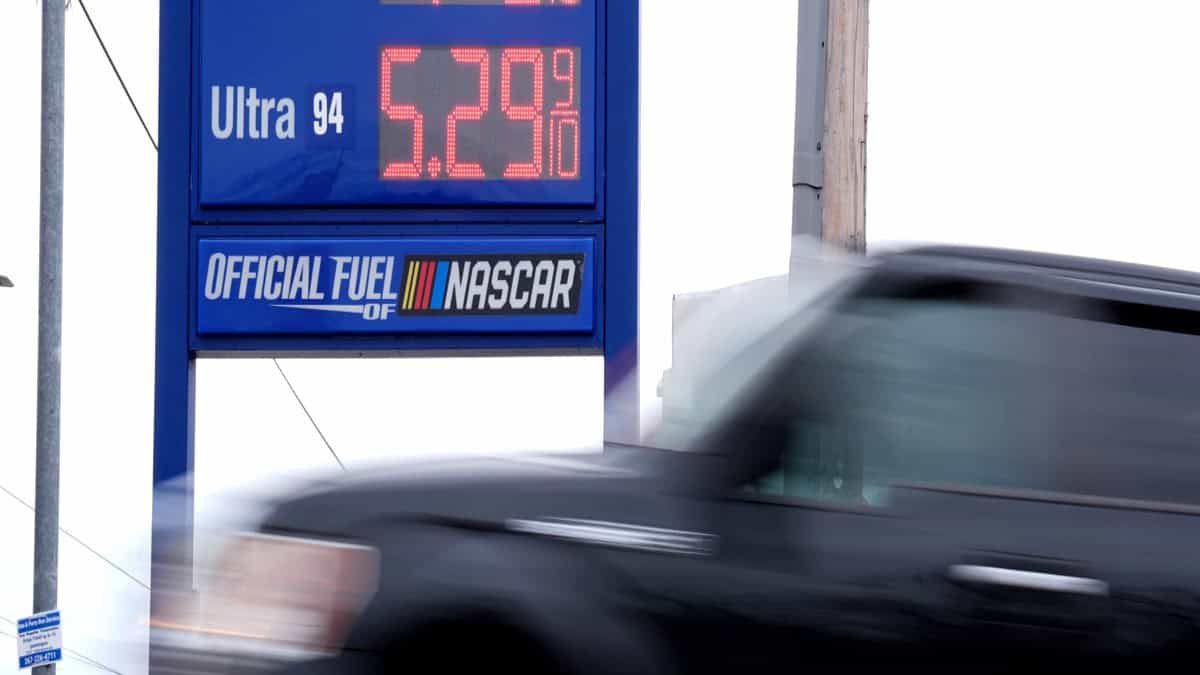
Rising fuel costs, driven by global tensions involving Iran, are beginning to ripple through the economy. While drivers are already seeing higher prices at the pump, economists warn the next impact could hit grocery bills as farmers and food producers absorb higher costs for fuel and fertilizer.
For Michigan families, that means the cost of everyday essentials—from produce to meat—could climb in the months ahead.
From Gas Pumps to Grocery Aisles
The connection between oil prices and food costs isn’t always obvious—but it’s direct.
As global oil markets react to geopolitical instability, fuel prices rise. That affects diesel first—the fuel that powers trucks, farm equipment, and much of the supply chain.
From there, the effects cascade:
- Higher diesel costs increase transportation expenses
- Fertilizer production becomes more expensive
- Farmers face higher planting and operating costs
- Food distributors and retailers pass along those increases
By the time products reach grocery shelves, the impact is already baked into the price.
Fertilizer Costs Are a Key Pressure Point
One of the biggest drivers of future food inflation is fertilizer.
Fertilizer production relies heavily on natural gas and petroleum-based inputs. When energy prices rise, fertilizer costs often follow.
That’s happening at a critical moment.
Spring marks the start of the planting season across Michigan and the Midwest. Farmers are making key decisions now about:
- What to plant
- How much to plant
- How much input cost they can afford
If fertilizer prices spike, some farmers may reduce planting or shift crops—decisions that can tighten supply and push prices higher later in the year.
Michigan Farmers Face a Double Hit
At the same time fertilizer costs are rising, farmers are also dealing with higher diesel prices.
Diesel fuels:
- Tractors and planting equipment
- Harvesting machinery
- Irrigation systems
- Transportation of crops
This creates a “double hit”:
👉 Higher input costs
👉 Higher operating costs
For many farms, especially smaller operations, those pressures can’t be absorbed indefinitely. Instead, they move through the supply chain.
What This Means for Grocery Prices
So how much could prices rise?
While exact numbers depend on how long energy prices stay elevated, early estimates suggest:
- Grocery prices could increase 3% to 7% if current trends continue
- Some categories may rise faster than others
Most affected categories:
- Fresh produce
- Bread and cereals
- Meat and dairy
These are staples—meaning nearly every household will feel the impact.
Timeline: When Consumers Will Feel It
Unlike gas prices, which change quickly, food prices move more slowly.
Here’s how it typically unfolds:
- Short term (1–3 months): Minimal impact as existing supply is used
- Mid-term (3–6 months): Prices begin rising, especially in produce and grains
- Late 2026: Broader grocery inflation possible if fuel costs remain high
For Michigan consumers, that means the biggest impact may arrive just as summer transitions into fall.
Why Michigan Is Especially Vulnerable
Michigan sits at the center of a complex economic ecosystem that includes:
- Agriculture
- Manufacturing
- Transportation
That makes the state particularly sensitive to fuel-driven cost increases.
Higher diesel prices don’t just affect farms—they impact:
- Food distribution networks
- Regional supply chains
- Retail pricing structures
At the same time, Michigan’s mix of urban and rural communities means the effects are felt across both grocery stores and local food systems.
Consumer Behavior Could Shift Again
Rising grocery prices, combined with higher gas costs, could put additional strain on household budgets.
That often leads to:
- Reduced discretionary spending
- Fewer restaurant visits
- Increased focus on essentials
For Michigan’s retail and hospitality sectors, that shift could translate into slower growth or declining sales.
Could Prices Stabilize?
Much depends on global developments.
If tensions involving Iran ease and oil prices stabilize, some of the upward pressure on fuel and fertilizer costs could ease as well.
But if instability continues, the cost increases now working through the system could become more pronounced.
Michigan’s rising fuel costs may be just the beginning.
As higher diesel and fertilizer prices move through the agricultural system, the next place consumers may feel the impact is at the grocery store.
For households already managing tight budgets, that could make everyday essentials noticeably more expensive in the months ahead.