DETROIT – As U.S.–Iran tensions escalate following weekend military strikes, energy markets are zeroing in on one strategic chokepoint: the Strait of Hormuz.
Roughly 20% of the world’s seaborne oil supply passes through that narrow waterway between Iran and Oman. If Iran were to disrupt or temporarily shut down shipping lanes, even briefly, the impact on global oil prices could be immediate — and for Michigan drivers and businesses, that would translate into renewed affordability pressure.
For a state still navigating inflation fatigue, housing costs, rising insurance premiums and tight household budgets, higher energy prices would not arrive in isolation. They would compound existing strain.
Why the Strait of Hormuz Matters to Michigan
The U.S. does not import most of its oil directly through the Strait of Hormuz. But oil is globally priced. When supply risk rises anywhere in the world, prices rise everywhere.
Energy markets react quickly to geopolitical instability. Even the perception of potential disruption can push crude oil prices up $5 to $15 per barrel in short order. A sustained interruption could drive oil toward $90 or $100 per barrel — or higher depending on severity and duration.
For consumers, that matters.
A common rule of thumb in energy economics:
Every $10 increase in crude oil typically adds 20 to 30 cents per gallon at the pump.
For drivers in Michigan, where long commutes and two-car households are common, that adds up quickly.
What Higher Oil Prices Mean for Gasoline
National gasoline prices have moderated from their 2022 peaks, but they remain sensitive to global events.
If oil prices climb meaningfully because of Middle East instability, Americans could see:
-
Gas prices rise 25–50 cents per gallon
-
Diesel costs increase, affecting freight and supply chains
-
Airline ticket prices climb
-
Renewed upward pressure on inflation
Energy functions as a foundational input across the economy. When fuel costs rise, transportation costs rise. When transportation costs rise, the price of groceries, building materials and consumer goods often follows.
For households already juggling higher grocery bills and insurance premiums, that stacking effect can erode disposable income quickly.
How Oil Prices Turn Into Gas Prices
Step 1: Crude Oil Rises
Geopolitical tension pushes global crude benchmarks higher.Step 2: Refiners Pay More
Refineries purchase crude at elevated prices, increasing input costs.Step 3: Wholesale Fuel Adjusts
Gasoline and diesel wholesale prices rise to reflect higher crude costs.Step 4: Retail Prices Increase
Gas stations adjust pump prices — often within days to weeks.Rule of Thumb:
A $10 increase in crude oil typically equals about 20–30 cents more per gallon.
Michigan’s Unique Exposure
Michigan’s economy amplifies the impact of fuel volatility.
Auto-Dependent Commuting
Unlike dense coastal metros with extensive public transit, Michigan remains largely car-dependent. Many residents commute significant distances between suburbs and employment centers.
If gas prices increase 40 cents per gallon, a household driving 1,500 miles per month could spend $20 to $40 more monthly per vehicle. For two-car households, that could approach $1,000 annually in added costs.
Manufacturing and Supply Chains
Michigan’s manufacturing base is energy-sensitive. Diesel fuels freight, heavy trucks and supply chain logistics that support:
-
Automotive assembly
-
Parts manufacturing
-
Tool and die operations
-
Food processing and distribution
Rising diesel prices tighten margins for small and mid-sized firms. Businesses must either absorb costs or pass them along — both of which affect the broader economy.
Consumer Sentiment
Michigan’s economy has historically shown sensitivity to energy price spikes. When fuel prices jump, consumer confidence often dips, even if employment remains steady.
Lower sentiment can translate into delayed vehicle purchases, postponed home renovations and restrained discretionary spending.
The Affordability Multiplier
Energy costs are not isolated line items. They function as multipliers.
Higher oil prices can contribute to:
-
Increased home heating costs
-
Higher delivery and shipping charges
-
Elevated construction material expenses
-
Pressure on small business operating budgets
Affordability concerns are cumulative. Households rarely break because of one bill. They strain when multiple essentials — housing, insurance, food, fuel — move higher simultaneously.
A renewed energy spike would arrive at a time when many Michigan families are still recalibrating after several years of elevated inflation.
Could the Impact Be Limited?
There are stabilizing factors.
Other oil-producing nations could increase output to offset disruption. The U.S. could consider releases from the Strategic Petroleum Reserve. Global markets may calm if tensions de-escalate quickly.
Additionally, the United States now produces significantly more domestic oil than during previous Middle East crises, reducing direct vulnerability.
But global pricing dynamics remain interconnected. A disruption in one major shipping lane affects benchmark crude prices worldwide.
Oil markets are driven as much by expectations as by physical supply.
What Michigan Businesses Should Watch
Business leaders across Michigan should monitor:
-
Brent crude and West Texas Intermediate (WTI) price movements
-
Diesel price trends
-
Consumer sentiment indicators
-
Freight cost adjustments
Companies reliant on transportation-heavy operations may need to review fuel surcharge clauses, pricing flexibility and inventory strategies.
Waiting until price spikes fully materialize can reduce response options.
Bottom Line for Michigan
If the Strait of Hormuz remains open and tensions cool, any price increases may be temporary.
If disruption occurs or conflict expands, Michigan drivers could see meaningful pump increases within weeks — adding pressure to household budgets and business margins.
Energy affordability matters deeply in a state where mobility is essential and manufacturing remains central to economic health.
Geopolitics may unfold thousands of miles away.
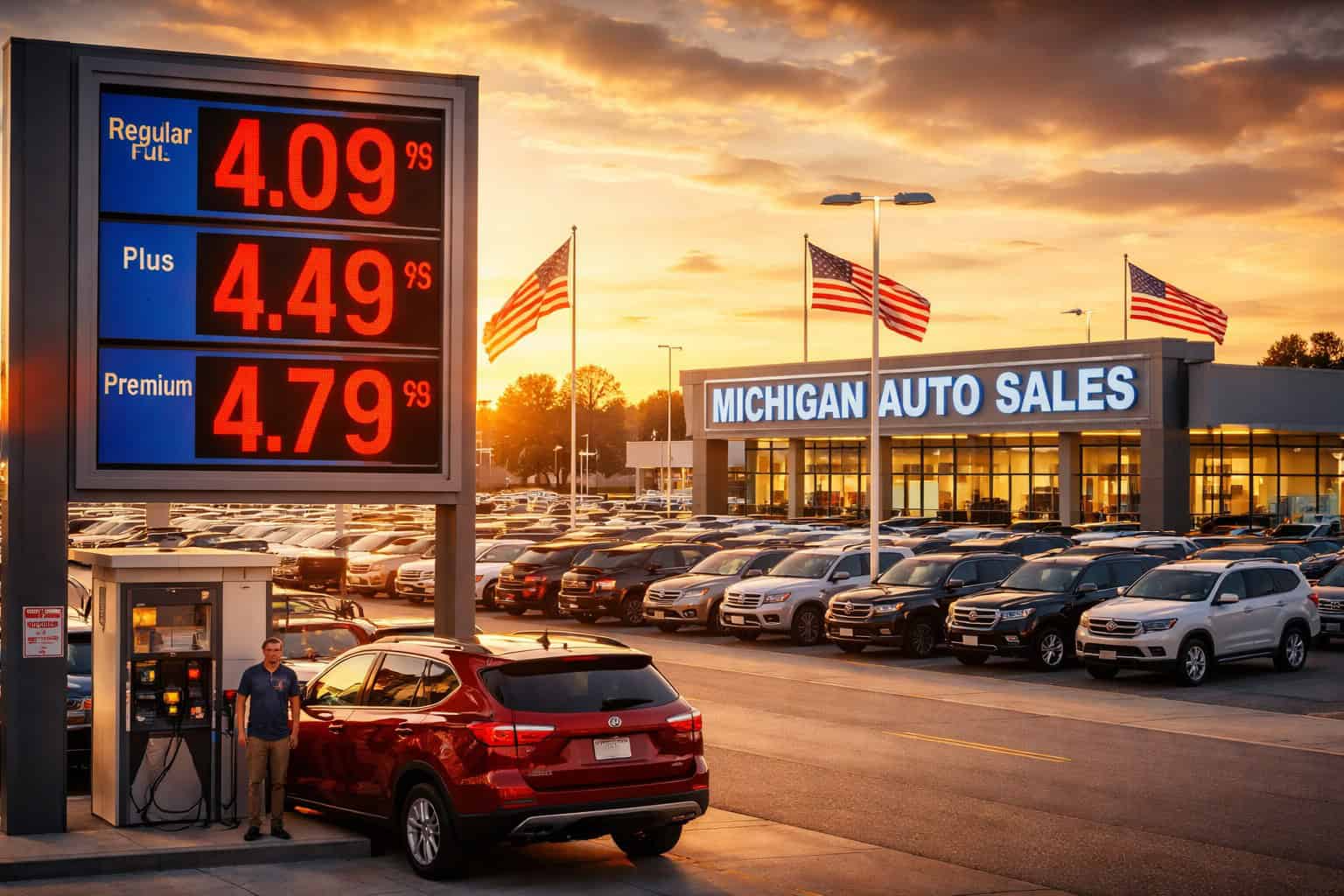
But for Michigan families watching the numbers climb on roadside fuel signs, the impact would feel very close to home.
{
“@context”: “https://schema.org”,
“@type”: “NewsArticle”,
“mainEntityOfPage”: {
“@type”: “WebPage”,
“@id”: “https://mitechnews.com/news/middle-east-tensions-raise-new-affordability-fears-what-a-strait-of-hormuz-disruption-could-mean-for-michigan-gas-prices/”
},
“headline”: “Middle East Tensions Raise New Affordability Fears — What a Strait of Hormuz Disruption Could Mean for Michigan Gas Prices”,
“description”: “Heightened tensions in the Middle East and the strategic importance of the Strait of Hormuz have raised concerns about global oil supply disruptions, which could lead to higher gas prices and affordability challenges for Michigan drivers and households.”,
“image”: {
“@type”: “ImageObject”,
“url”: “https://mitechnews.com/wp-content/uploads/2026/02/Hormuz-gas-prices-michigan.jpg”
},
“author”: {
“@type”: “Person”,
“name”: “Mike Brennan”
},
“publisher”: {
“@type”: “Organization”,
“name”: “MITechNews”,
“logo”: {
“@type”: “ImageObject”,
“url”: “https://mitechnews.com/wp-content/uploads/2017/09/mitechnews-masthead-2.png”
}
},
“datePublished”: “2026-02-25T00:00:00-05:00”,
“dateModified”: “2026-02-25T00:00:00-05:00”,
“keywords”: [
“Hormuz gas prices”,
“Middle East tensions”,
“oil supply disruption”,
“Michigan gas prices”,
“affordability fears”
]
}
</script>