ANN ARBOR — A sudden escalation in Middle East tensions is rippling through the global economy, and Michigan businesses may soon feel the impact in the form of higher fuel costs, rising prices, and renewed pressure on supply chains.
The flashpoint is the Strait of Hormuz, a narrow shipping corridor that handles roughly one-fifth of the world’s oil supply. A newly announced blockade has triggered immediate concerns among energy analysts and market watchers, sending oil prices sharply higher and raising the likelihood of sustained increases in gasoline and diesel costs across the United States.
For Michigan’s economy—heavily reliant on manufacturing, transportation, and agriculture—the consequences could be significant.
Fuel Prices Already Moving Higher
Gasoline and diesel prices have begun climbing in response to the disruption, with analysts warning that the situation could push oil prices above $100 per barrel if it persists.
That would translate into:
- Gasoline prices potentially rising toward $4.50 to $5.50 per gallon
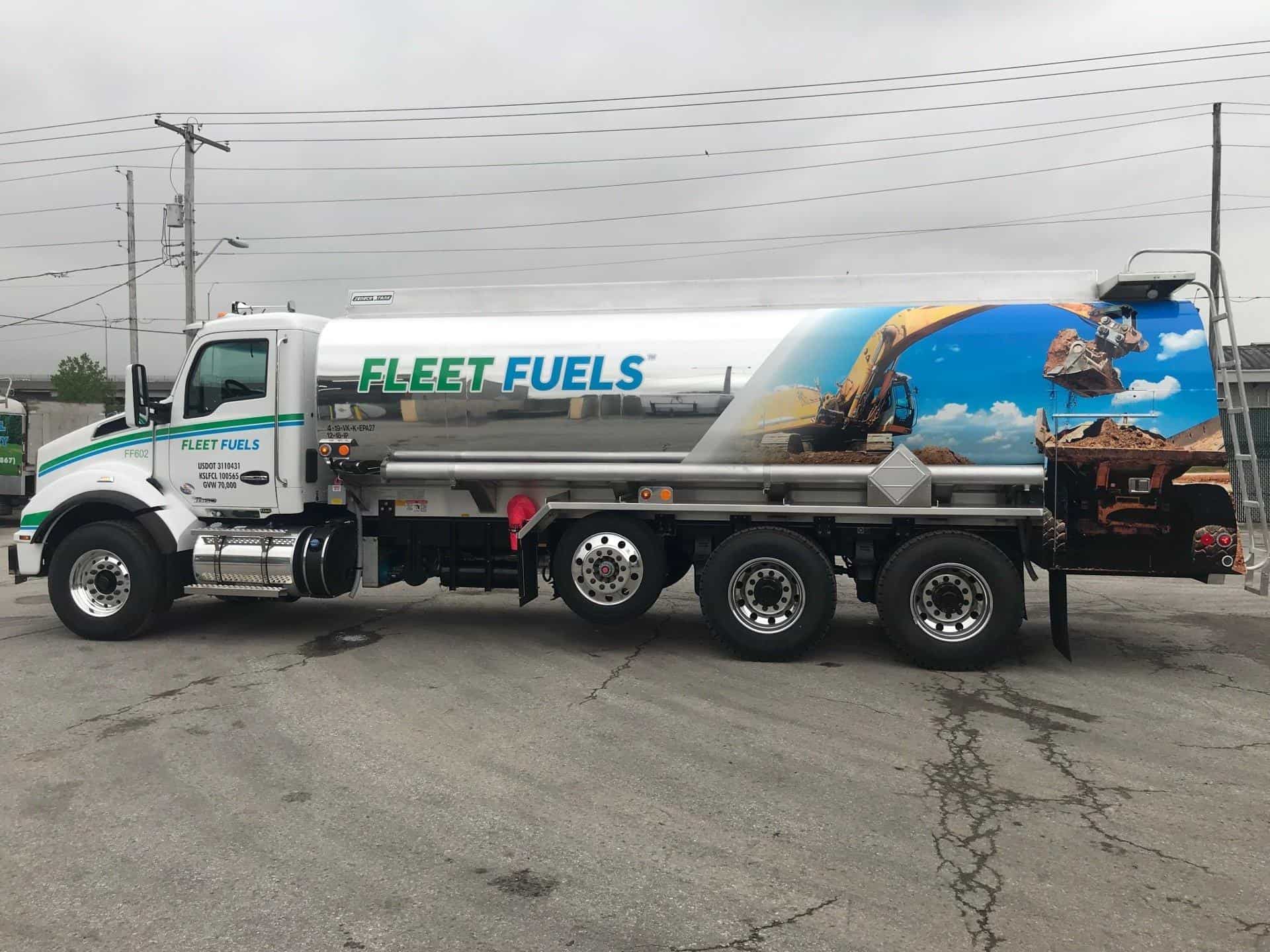
- Diesel prices climbing even faster, creating outsized impacts on freight and logistics
While Michigan drivers will notice higher prices at the pump, experts say diesel is the bigger concern.
“Diesel is the backbone of the economy,” said one energy analyst. “When diesel spikes, everything from food to manufactured goods becomes more expensive.”
Why the Strait of Hormuz Matters
The Strait of Hormuz sits between the Persian Gulf and the Gulf of Oman, serving as a critical artery for global oil shipments. Any disruption to traffic through the strait immediately constrains supply, even if U.S. production remains steady.
Oil is priced globally, meaning events thousands of miles away can quickly impact costs in the Midwest.
“This is not a regional issue—it’s a global pricing mechanism,” analysts note. “If supply tightens anywhere, prices rise everywhere.”
Michigan’s Auto Industry Faces Cost Pressure
Michigan’s signature industry—automotive manufacturing—could face renewed cost pressures if elevated energy prices persist.
Auto suppliers rely heavily on:
- Petroleum-based materials such as plastics and resins
- Energy-intensive production processes
- Just-in-time logistics networks dependent on trucking
Higher diesel prices increase transportation costs, while rising oil prices push up the cost of raw materials.
For suppliers already operating on thin margins, the combination could squeeze profitability.
Trucking and Logistics Take a Hit
The trucking industry, which underpins nearly every sector of the economy, is particularly exposed to diesel price volatility.
Higher fuel costs typically lead to:
- Increased freight rates
- Fuel surcharges passed on to customers
- Reduced margins for smaller carriers
Those higher costs ultimately flow through to businesses and consumers alike.
Farmers and Food Prices in the Crosshairs
Michigan’s agricultural sector is another major vulnerability.
Farmers depend on diesel fuel for:
- Planting and harvesting
- Transportation of crops
- Operation of heavy equipment
They also face rising fertilizer costs, which are closely tied to energy markets.
If the situation continues, consumers could begin to see higher grocery prices in the coming months—a delayed but direct effect of energy inflation.
Inflation Risks Return
The timing of the disruption is particularly sensitive, as inflation had shown signs of stabilizing in recent months.
Energy costs are a key driver of inflation because they affect:
- Transportation
- Manufacturing
- Food production
A sustained rise in oil prices could reverse recent progress, forcing businesses to raise prices and potentially complicating monetary policy decisions.
Supply Chain Disruptions Possible
Beyond pricing, the blockade introduces the risk of renewed supply chain disruptions.
Shipping delays, higher insurance costs for tankers, and rerouted cargo could all create bottlenecks similar to those seen during the pandemic era.
Even companies not directly tied to oil imports may feel secondary effects, including delayed shipments and higher input costs.
Cannabis Industry Also Exposed
Michigan’s fast-growing cannabis sector could also face pressure.
Indoor cultivation facilities are energy-intensive, requiring:
- High-powered lighting
- Climate control systems
- Continuous electricity usage
Rising energy costs could increase production expenses, potentially impacting pricing and margins in an already competitive market.
The Big Question: How Long Will It Last?
The ultimate economic impact will depend largely on the duration of the disruption.
- Short-term (weeks): Temporary price spikes with limited long-term damage
- Medium-term (months): Sustained higher fuel costs and broader inflationary pressure
- Long-term escalation: Risk of a global energy crisis and economic slowdown
For now, markets are reacting quickly—but the situation remains fluid.
What Michigan Businesses Should Watch
Business leaders across Michigan should be closely monitoring:
- Oil price movements
- Diesel price trends
- Freight and shipping costs
- Supplier pricing adjustments
In the near term, many companies may need to reassess budgets, pricing strategies, and supply chain assumptions.
Bottom Line
The blockade of a critical global oil chokepoint is more than a geopolitical headline—it’s an economic shock that could ripple through Michigan’s core industries.
From auto suppliers and farmers to truckers and retailers, higher fuel costs have a way of touching nearly every corner of the economy.
If the disruption continues, Michigan businesses and consumers alike should be prepared for a familiar but unwelcome reality: rising prices across the board.