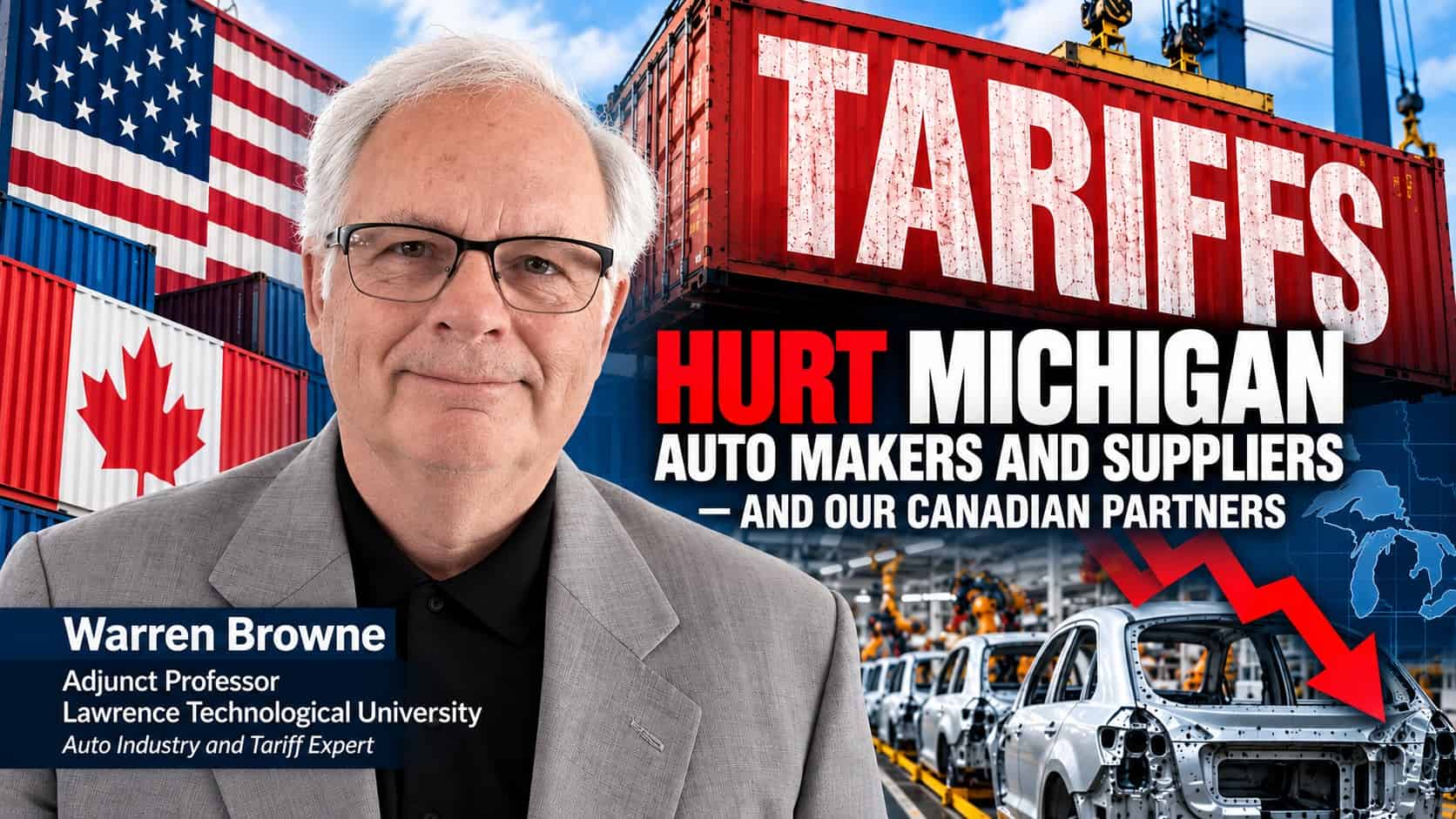
ANN ARBOR – A typical Michigan household could pay up to $3,000 more this year for everyday expenses, making everything from grocery shopping and utility bills to summer vacations significantly more expensive as inflation surged to its highest level in three years.
New federal data released Wednesday showed consumer prices rising 4.2 percent over the past 12 months, the third consecutive monthly increase and the highest inflation rate since 2023. Economists say higher energy prices are driving much of the increase, but the effects are spreading throughout the economy.
For a family spending roughly $70,000 annually on housing, transportation, groceries, utilities and other essentials, a 4.2 percent inflation rate effectively acts as a hidden tax worth nearly $3,000 a year unless wages rise just as quickly.
The increase threatens to squeeze Michigan households already facing higher electricity rates than many neighboring states, rising insurance premiums and gasoline prices averaging more than $4 per gallon.
Key Facts
- U.S. inflation rate: 4.2 percent
- Highest inflation rate since 2023
- Third consecutive monthly increase
- Michigan average gasoline price: $4.22 per gallon
- Estimated annual impact on a typical Michigan family: up to $3,000
- Federal Reserve inflation target: 2 percent
Why Michigan Could Feel The Impact More Than Other States
Michigan’s economy remains heavily dependent on manufacturing, transportation, agriculture and automotive production, making it particularly vulnerable to rising energy costs.
When fuel prices rise, trucking companies charge more to move products. Manufacturers pay more to transport raw materials and finished goods. Farmers spend more on diesel fuel and fertilizer. Eventually those higher costs find their way into consumer prices.
Michigan’s automotive industry could also face renewed pressure.
Many suppliers are still recovering from pandemic-era supply chain disruptions, inflationary pressures and uncertainty surrounding electric vehicle demand. Rising transportation and utility costs could further squeeze already-thin margins throughout the automotive supply chain.
For consumers, the result is simple: higher prices on everything from groceries and restaurant meals to clothing, household goods and travel.
The Hidden Cost Of Inflation
Inflation often feels abstract until consumers calculate its real-world impact.
A household spending $70,000 annually on basic living expenses could see costs rise by approximately $2,940 over the next year if inflation remains at 4.2 percent.
That translates into roughly:
-
$245 more per month
-
$56 more per week
-
Nearly $8 more every day
For families already balancing mortgage payments, rent, utility bills, vehicle payments and childcare expenses, those increases can quickly add up.
Unlike a tax increase approved by lawmakers, inflation quietly reduces purchasing power without requiring any new legislation.
Summer Vacation Sticker Shock
Michigan families planning summer vacations are discovering inflation extends well beyond grocery stores and gas stations.
Airfares on many domestic routes have climbed sharply over the past year as airlines face higher fuel, labor and operating costs.
One example: A round-trip nonstop ticket from Detroit to Seattle that cost about $700 in summer 2025 is now selling for more than $1,000 on some August 2026 travel dates—a jump of more than 40 percent.
For a family of four, airfare alone could cost more than $1,200 extra compared with last year’s vacation budget.
Add in higher hotel rates, restaurant prices, rental car costs and attraction fees, and a summer trip can quickly become one of the largest inflation-driven expenses facing Michigan households this year.
For some families, that may mean shorter vacations, driving instead of flying, staying closer to home or postponing travel altogether.
Gasoline Prices Remain A Major Concern
One of the most visible reminders of inflation continues to be gasoline prices.
AAA reports Michigan’s average gasoline price has climbed above $4.20 per gallon, exceeding the national average.
For a commuter driving 15,000 miles annually in a vehicle averaging 25 miles per gallon, a 50-cent increase in gasoline prices can add roughly $300 to yearly transportation costs.
As summer travel season begins, many Michigan families may find themselves spending significantly more on vacations, weekend trips and everyday commuting.
Grocery Prices Could Rise Again
Food prices remain one of the categories consumers notice most.
Although grocery inflation has slowed compared with the record increases experienced during 2022 and 2023, prices remain substantially higher than pre-pandemic levels.
Higher energy prices affect nearly every step of the food supply chain.
Farmers use fuel to plant and harvest crops. Food processors require large amounts of electricity and natural gas. Refrigerated trucks transport products to stores. Each step becomes more expensive when energy costs rise.
Economists warn that sustained increases in fuel prices often show up in supermarket aisles several months later.
Higher Interest Rates Could Stay Longer
The inflation report could also influence the Federal Reserve’s next moves.
Many investors entered 2026 expecting interest rate cuts later this year. A resurgence in inflation could delay those plans.
If rates remain elevated, consumers may face:
-
Higher mortgage rates
-
More expensive auto loans
-
Increased credit card interest charges
-
Higher borrowing costs for businesses
That could place additional pressure on Michigan’s housing market, where affordability remains a growing concern for first-time buyers.
Small Businesses Feel The Squeeze
Michigan small businesses are also facing renewed challenges.
Business owners continue to deal with rising costs for labor, insurance, utilities, rent and supplies. At the same time, many consumers are becoming more cautious with discretionary spending.
Passing higher costs on to customers is often difficult, particularly for restaurants, retailers and small manufacturers operating on thin margins.
As a result, many businesses are forced to absorb some of those increases, reducing profitability.
Could Inflation Get Worse?
Much depends on energy prices.
Global oil markets remain volatile, geopolitical tensions continue to create uncertainty and growing demand for electricity from artificial intelligence data centers is increasing pressure on energy infrastructure nationwide.
Michigan is already debating the impact of large-scale AI data centers on electric demand, power generation and future utility investments.
If energy costs continue climbing, economists warn inflation could remain above the Federal Reserve’s target well into 2027.
The latest inflation report is a reminder that the fight against rising prices is far from over.
Whether buying groceries, filling up a vehicle, paying utility bills or planning a summer vacation, Michigan residents are likely to feel the effects of higher inflation throughout the remainder of 2026.
For many households, the key question is no longer whether prices are rising.
It’s whether paychecks can rise fast enough to keep up.