WASHINGTON DC – Americans are beginning to feel the cost of the U.S. war with Iran in two places that matter most: at the gas pump and in their investment accounts.
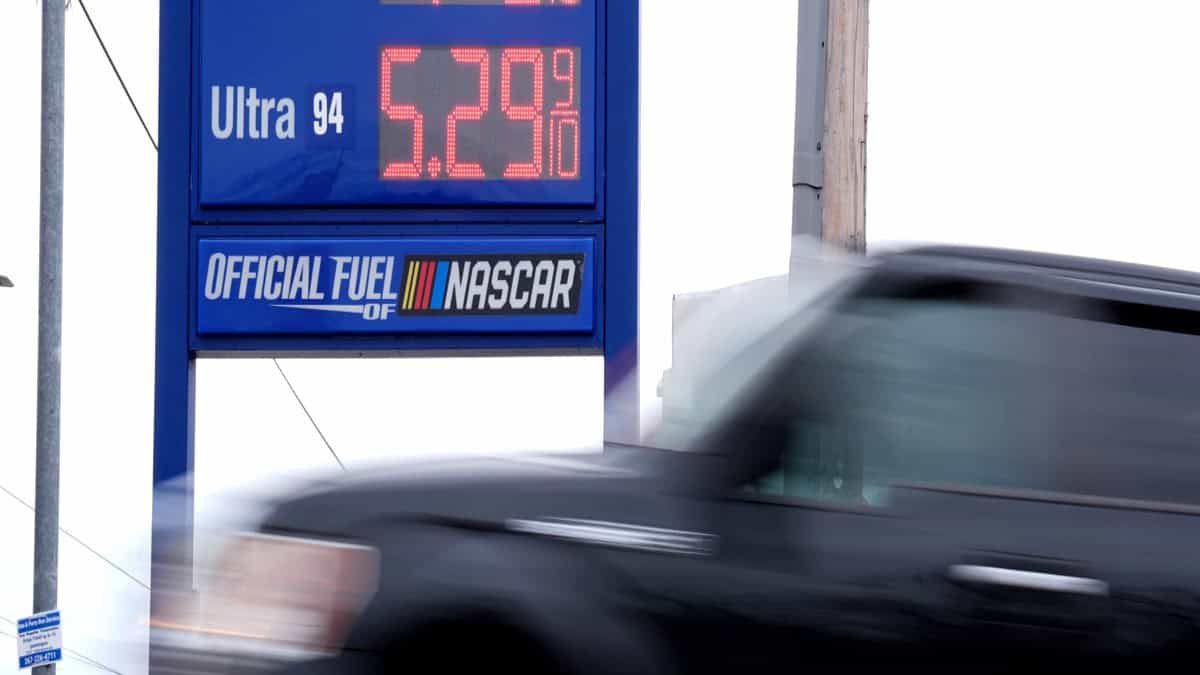
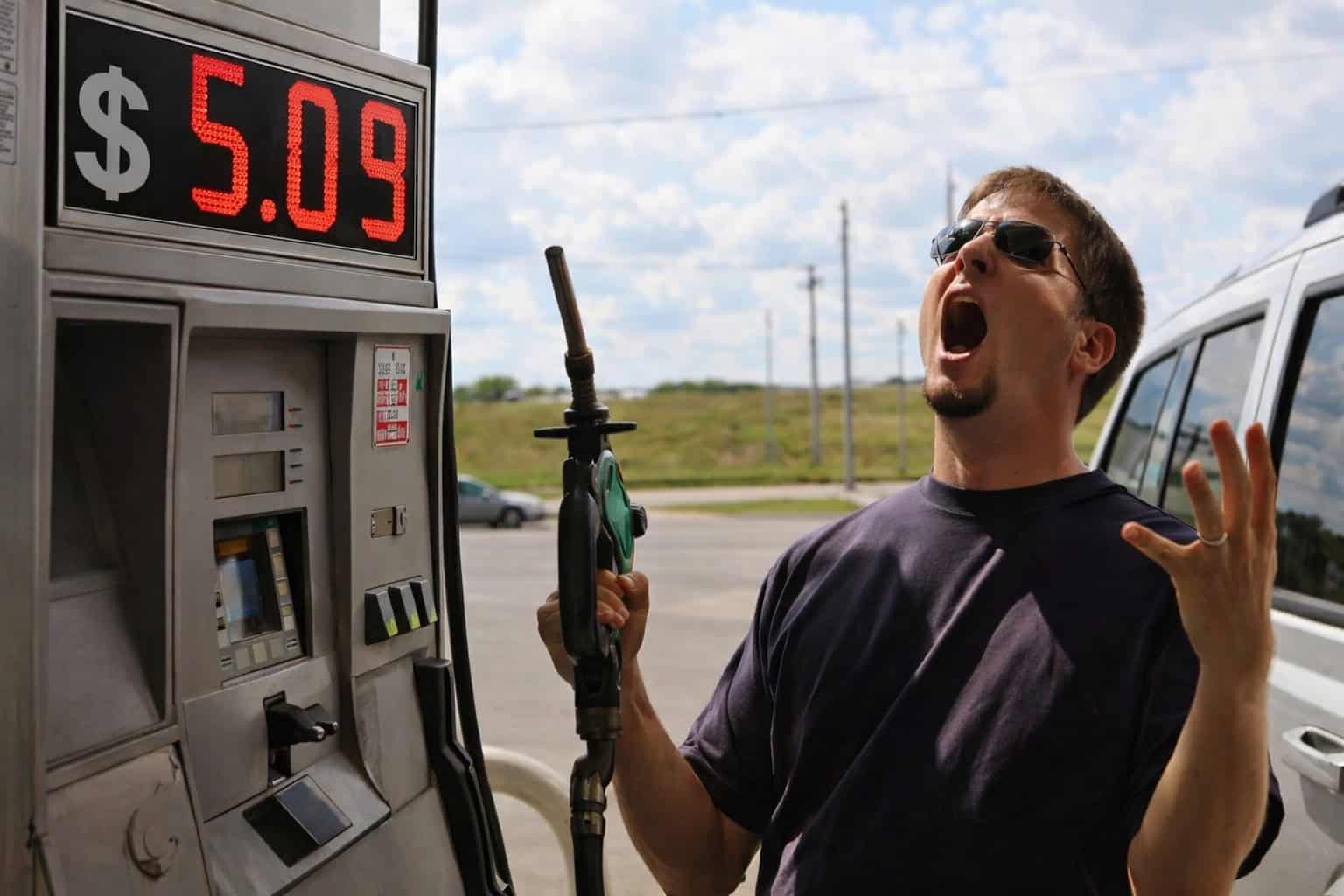
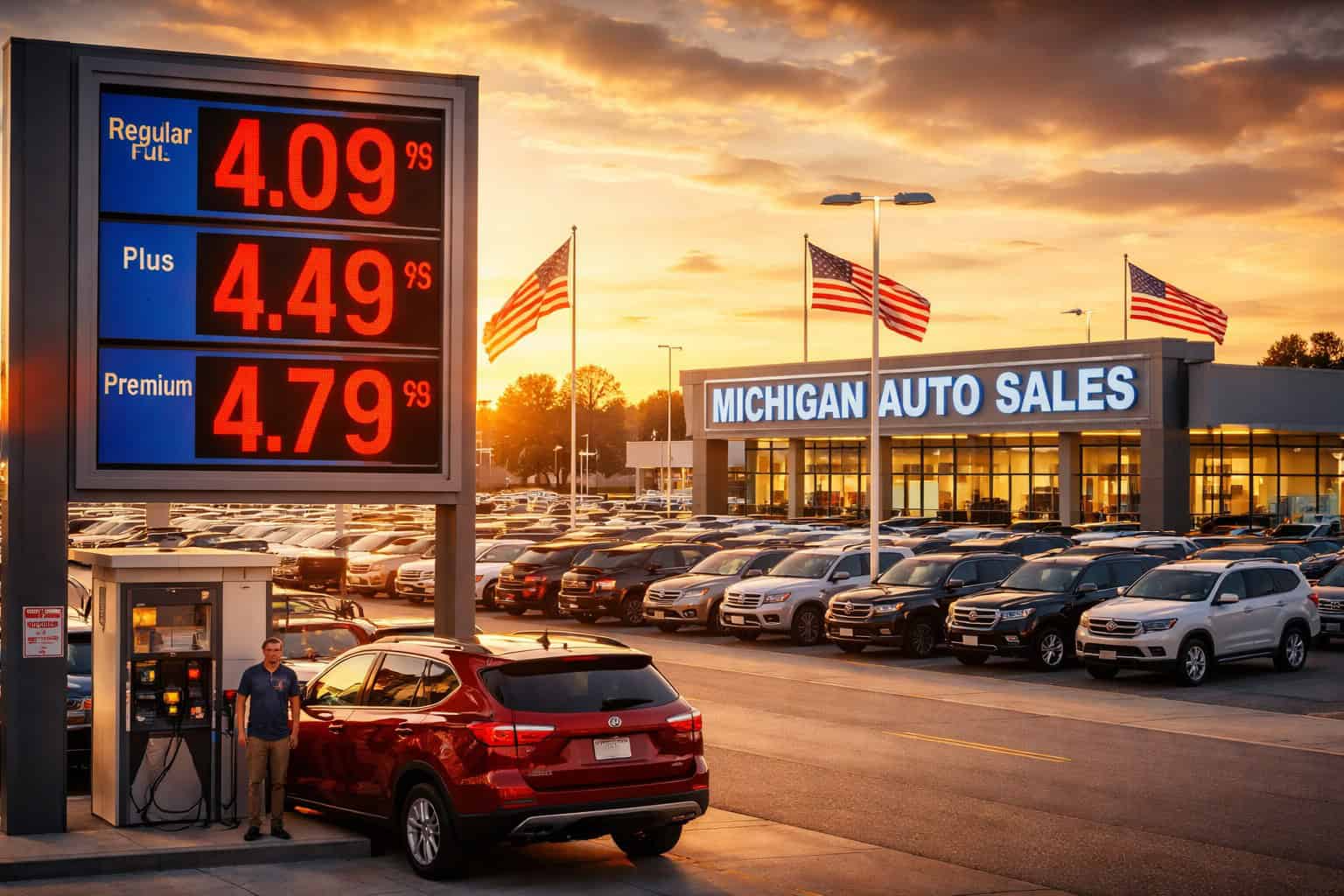
Gas prices that hovered around $3.25 just weeks ago are now pushing toward $4.50 in parts of the country, including Michigan, as global oil markets react to escalating conflict in the Middle East. At the same time, stock markets are sliding, hitting retirement accounts, pensions, and 401(k)s tied to Wall Street performance.
The One Thing Tying It All Together: Uncertainty.
And after President Donald Trump addressed the nation this week to explain the war, critics across the political spectrum say that uncertainty remains.
The most immediate impact of the Iran conflict is showing up at gas stations.
Oil prices surged above $110 per barrel following Trump’s speech, as investors reacted to signals that the war could continue for weeks rather than wind down quickly.
That spike is being driven by fears of supply disruption, particularly around the Strait of Hormuz, a critical global shipping route for oil. Roughly 20% of the world’s oil supply passes through that narrow waterway, and disruptions there can ripple across the global economy almost instantly.
For drivers, the impact is simple and immediate: higher prices every time they fill up.
In a state like Michigan, where driving is essential for work, school, and daily life, rising fuel costs quickly squeeze household budgets. Businesses—from logistics companies to restaurants—also feel the pressure as transportation costs climb.
The broader economic effect is just as concerning. Higher fuel prices tend to push up the cost of goods across the board, contributing to inflation at a time when many consumers were just beginning to see some relief.
Wall Street Reaction: Markets Slide as Uncertainty Grows
The financial hit doesn’t stop at the pump.
Stock markets have reacted sharply to the same uncertainty driving oil prices higher. Following Trump’s address, Dow futures fell more than 600 points, with broader indexes like the S&P 500 and Nasdaq also sliding.
This is where the story becomes personal for millions of Americans.
Roughly half the country has some exposure to the stock market through retirement accounts, pension funds, or investment portfolios. That means market swings tied to geopolitical instability can directly impact long-term savings—even for people who don’t actively trade stocks.
The connection between oil prices and stock performance is well understood by investors. When oil prices rise sharply:
- Businesses face higher operating costs
- Consumers spend more on fuel and less elsewhere
- Inflation pressures increase
- Economic growth expectations weaken
That combination tends to drag down broad market indexes.
Markets have also been rattled by what analysts describe as a lack of clarity from the administration. Investors were looking for signals that the conflict might be nearing resolution. Instead, Trump warned of additional military action in the coming weeks.
The result: a “risk-off” environment, where investors pull back from stocks and move toward safer assets.
A Double Hit for Americans
Taken together, the impact is significant—and unusual.
Americans are not just paying more in the short term through higher gas prices. They may also be losing wealth in the long term as market volatility erodes retirement savings.
It’s a double hit:
- Immediate pain: higher costs for fuel and everyday goods
- Long-term risk: declining value in 401(k)s and pensions
While energy companies often benefit from rising oil prices, the broader economy tends to suffer. Higher energy costs ripple through nearly every sector, raising expenses for businesses and reducing consumer spending power.
That dynamic is already showing up in market behavior and consumer sentiment.
Trump’s Speech: More Questions Than Answers
Trump’s primetime address was intended to explain the strategy behind the war and reassure Americans.
Instead, it may have had the opposite effect.
The president claimed the war is “nearing completion” while simultaneously warning of further strikes against Iran, including potential attacks on energy infrastructure.
He did not clearly define:
- What “victory” looks like
- When the conflict will end
- What role allies will play
- How global energy markets will stabilize
That lack of clarity has left both markets and the public uneasy.