DETROIT – Oil prices are climbing and analysts warn a wider Iran war could trigger another global energy shock similar to the 2022 crisis.
Michigan gasoline prices are already rising as global oil markets react to the expanding conflict involving Iran and growing fears that fighting in the Middle East could disrupt one of the world’s most critical energy supply routes.
Energy analysts say a widening regional war could choke off oil shipments through the Strait of Hormuz, a narrow but strategically vital shipping channel through which roughly 20 percent of the world’s daily oil supply moves.
If that supply were disrupted, oil prices could surge well above $100 per barrel — a level that historically pushes gasoline prices sharply higher in the United States.
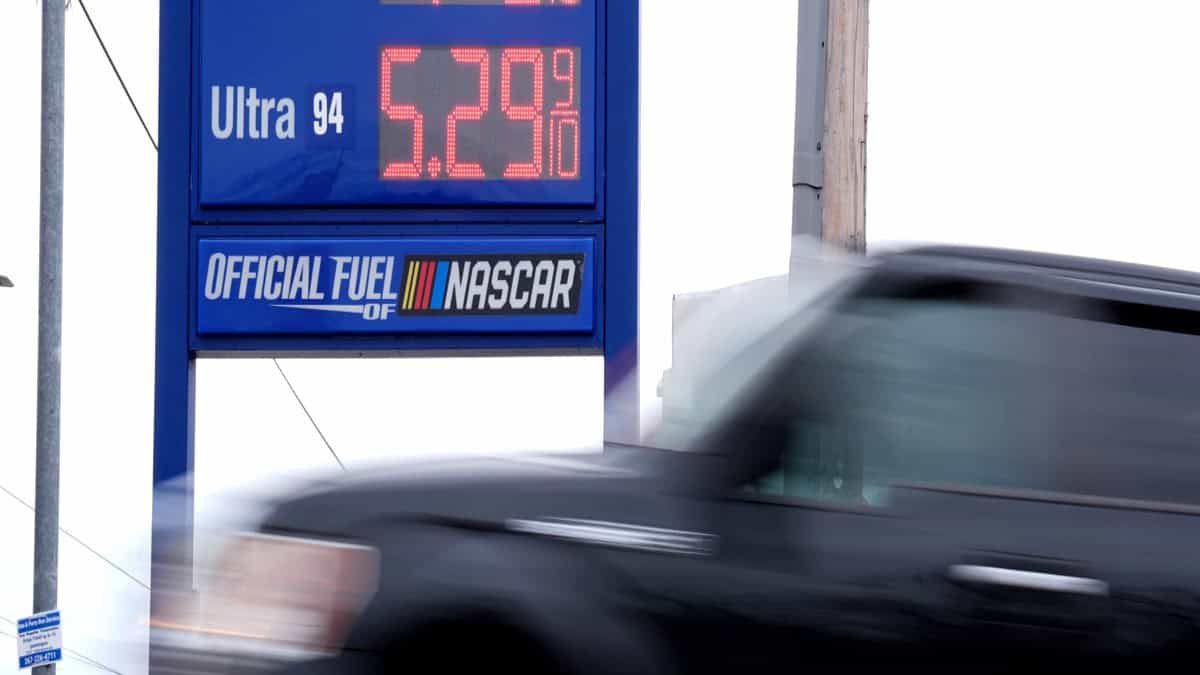
Some analysts warn that under a worst-case scenario, U.S. gasoline prices could approach $5 per gallon, particularly if the conflict spreads to major oil-producing countries across the Persian Gulf.
Michigan Gas Prices Already Rising
The impact is already beginning to appear at the pump.
According to the American Automobile Association, Michigan drivers are now paying roughly $3.35 to $3.40 per gallon statewide for regular unleaded gasoline, with slightly higher prices in metro Detroit.
Just a week ago — before tensions in the Middle East escalated — the statewide average was close to $3.00 per gallon.
Earlier in February, prices were closer to $2.90 per gallon, meaning Michigan drivers have already seen fuel costs rise roughly 40 to 50 cents per gallon in a matter of weeks.
Gasoline prices typically follow crude oil prices with a delay of about two to three weeks. If global oil markets continue climbing, drivers could see additional increases heading into spring.
Oil Markets Reacting to War Risks
Global energy markets have already begun pricing in the possibility of supply disruptions.
Benchmark Brent crude oil recently surged above $90 per barrel, up sharply from the mid-$70 range earlier this year.
Energy economists often use a simple rule of thumb when estimating fuel costs:
Every $10 increase in crude oil prices typically adds about 20 to 25 cents to the price of gasoline.
That means if oil rises toward $120 per barrel, gasoline prices could easily approach or exceed $5 per gallon, particularly in states where refining capacity is tight.
Why the Strait of Hormuz Matters
The biggest concern for oil markets is the possibility that fighting could disrupt tanker traffic through the Strait of Hormuz.
The narrow waterway connects the Persian Gulf with the Gulf of Oman and the Arabian Sea, making it the primary export route for oil produced by several of the world’s largest energy suppliers.
Major exporters relying on the route include:
-
Saudi Arabia
-
Iraq
-
Kuwait
-
United Arab Emirates
-
Qatar
Together, those countries ship roughly 20 to 21 million barrels of oil per day through the strait.
Because alternative export routes are limited, even the threat of disruption can send oil prices climbing.
Oil Producers Taking Precautions
Some energy producers in the region have already begun adjusting operations amid fears that oil infrastructure could become a target.
Energy companies and shipping firms are monitoring security risks closely as tanker insurance costs rise and naval patrols increase in the Persian Gulf.
Even temporary slowdowns in tanker traffic could tighten global oil supply and send prices higher.
Historically, energy markets react quickly to geopolitical threats, often pushing prices upward before any actual supply disruptions occur.
Michigan’s Economy Sensitive to Fuel Prices
Higher fuel prices can have an outsized impact on Michigan’s economy.
The state’s economy relies heavily on transportation-intensive industries including automotive manufacturing, logistics, trucking and air travel.
Manufacturers that depend on complex supply chains can face rising freight costs when diesel prices climb.
Tourism across Michigan’s lakeshore communities can also be sensitive to gasoline prices, particularly during summer travel season.
For households already dealing with higher grocery, housing and insurance costs, another surge in gasoline prices would add additional pressure to family budgets.
Michigan Has Seen $5 Gas Before
While $5 gasoline may sound extreme, Michigan drivers experienced similar prices just a few years ago.
According to the American Automobile Association, the statewide average price for regular unleaded fuel reached a record $5.21 per gallon in June 2022, following the global energy shock triggered by the Russian invasion of Ukraine.
Crude oil prices surged above $120 per barrel during that crisis, triggering sharp increases in gasoline and diesel prices across the United States.
Fuel prices eventually retreated as global supply stabilized and governments released strategic petroleum reserves.
But the episode demonstrated how quickly geopolitical conflicts can ripple through energy markets.
If the current war spreads or oil shipments through the Strait of Hormuz are disrupted, analysts say a similar price spike could occur again.
Michigan Gas Prices Then vs. Now
Michigan Gas Prices (AAA)
Period Avg. Gas Price Early February 2026 ~$2.90 Before Iran conflict escalation ~$3.00 Current statewide average ~$3.35–$3.40 Michigan record (June 2022) $5.21 Source: American Automobile Association
For now, energy markets are closely watching whether the conflict spreads across the Middle East or remains limited.
Several developments could drive oil prices sharply higher:
-
Attacks on oil infrastructure
-
Disruptions to tanker traffic
-
Blockades or military action in the Strait of Hormuz
-
Expanded fighting involving additional oil-producing nations
If the conflict remains contained, oil prices may stabilize.
But if supply disruptions emerge in one of the world’s most critical energy corridors, the result could be another global energy shock — and significantly higher gasoline prices for drivers in Michigan and across the United States.