DEARBORN — Ford Motor Co. has hit the reset button on its electric vehicle strategy, taking a roughly $19.5 billion charge tied to its EV business and pivoting toward hybrids, extended-range vehicles, and battery-based energy storage, a move that signals a broader industry reckoning — and carries major implications for Michigan’s economy.
The Dearborn automaker is not abandoning electrification. Instead, it is retreating from large, capital-intensive EV bets that failed to deliver profits, while redirecting investment toward products and businesses with clearer demand and stronger margins.

A Strategic Reset, Not an Exit From Electrification
Ford’s announcement marks one of the most dramatic strategic pivots by a legacy automaker in the EV era. The company has shelved or canceled several future all-electric vehicle programs, particularly large electric trucks and vans, while halting aggressive expansion timelines set earlier in the decade.
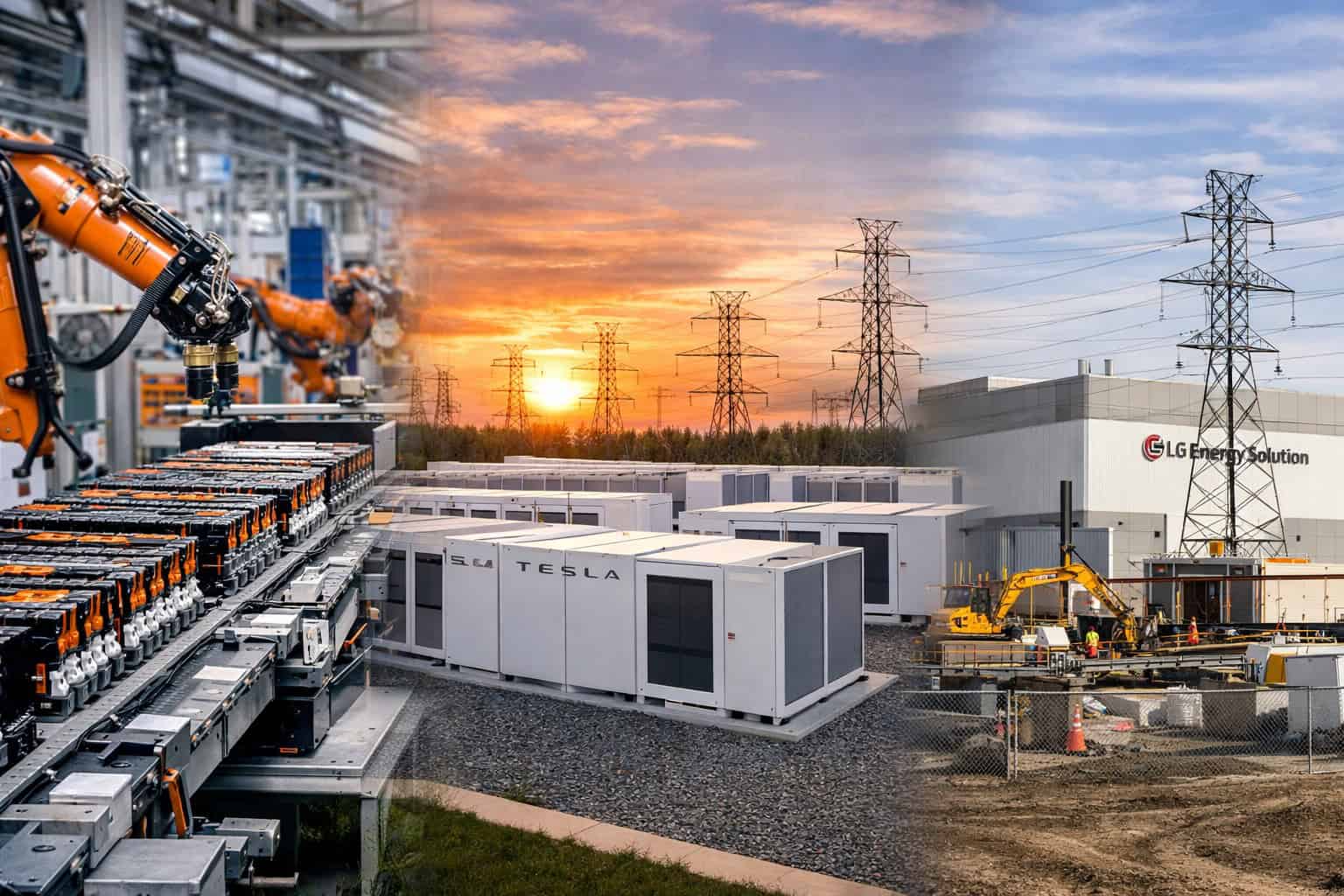
As part of the reset, Ford also canceled a $6.5 billion EV battery supply deal with South Korea’s LG Energy Solution, further underscoring its shift away from rapid, large-scale EV expansion.
Executives framed the move as a necessary course correction after EV demand failed to materialize at price points needed to support profitability.
Why Ford Pulled Back
EV Economics Didn’t Add Up
Despite early enthusiasm, high-priced electric vehicles struggled to gain mass adoption. Consumers balked at:
-
Premium pricing for electric trucks and SUVs
-
Range concerns, particularly in cold-weather states like Michigan
-
A slower-than-expected rollout of public charging infrastructure
Even marquee products such as the F-150 Lightning failed to sustain production volumes at acceptable margins.
Policy Shifts Changed the Landscape
Ford’s original EV strategy assumed long-term stability in federal incentives and emissions regulations. That assumption has weakened as:
-
EV tax credits were rolled back or narrowed
-
Fuel economy standards were softened
-
Regulatory certainty declined
The result: EV investments that once appeared defensible now looked increasingly risky.
Mounting Losses Forced a Reckoning
Ford’s EV division was losing billions annually, while the company’s hybrid and internal combustion vehicle lines remained profitable. Investors pushed management to prioritize returns over market-share ambitions.
Ford’s New Playbook
Hybrids Move to the Center
Ford is doubling down on hybrid and extended-range vehicles, positioning them as the most realistic path to electrification over the next decade. Hybrids offer:
-
Lower upfront costs
-
No charging anxiety
-
Faster consumer adoption
Hybrid versions of Ford’s core truck and SUV lineup are expected to dominate future product plans.
Battery Plants Find a New Mission: Energy Storage
One of the most significant — and underappreciated — shifts involves Ford’s battery strategy.
Rather than dedicating battery plants solely to EVs, Ford is increasingly targeting stationary energy storage, including:
-
Power systems for AI-driven data centers
-
Grid-scale storage for utilities
-
Industrial and commercial energy backup systems
Rising electricity demand tied to artificial intelligence and cloud computing has created a fast-growing market that offers steadier returns than consumer EVs.
Profitability Takes Priority
Despite the massive write-down, Ford raised its profit outlook, signaling confidence that the reset will improve long-term financial performance. Investors appeared to agree, with Ford shares moving higher after the announcement.
What It Means for Michigan
Manufacturing and Jobs
The slowdown in EV expansion creates uncertainty, but the pivot may soften the impact:
-
Hybrid production is less disruptive to existing plants
-
Battery repurposing helps preserve manufacturing investment
-
Suppliers tied exclusively to pure EV platforms face the greatest risk
Supplier Ecosystem Shifts
Michigan suppliers positioned around:
-
Hybrid drivetrains
-
Power electronics
-
Thermal management systems
are better insulated than EV-only startups dependent on rapid electrification.
A Reality Check for State Policy
Michigan’s aggressive EV-first economic development strategy now appears out of step with automaker priorities. Expect future policy discussions to focus more on:
-
Hybrids as a transitional — and durable — technology
-
Grid capacity and energy storage
-
Flexible manufacturing investments rather than single-technology bets
A Signal to the Auto Industry
Ford’s move reflects a broader industry shift. Automakers are recalibrating after discovering that EV adoption will be slower, more uneven, and more capital-intensive than originally forecast.
The takeaway:
-
Hybrids are no longer a bridge — they are a long-term pillar
-
Energy storage may rival EVs as the most important battery business
-
Profitability now outweighs disruption narratives
The Bottom Line
Ford’s strategy reset marks the end of the industry’s first all-in EV expansion phase. By cutting losses, shelving unprofitable projects, and redirecting investment toward hybrids and energy storage, Ford is aligning its future with market realities rather than policy-driven optimism.
For Michigan, the shift dampens EV hype — but it may ultimately deliver a more durable and profitable industrial path forward.