DETROIT – A new scientific analysis warns that humanity’s carbon emissions have already pushed far beyond what researchers consider a safe operating limit for the planet—raising new questions about the economic and industrial transition now underway in Michigan and across the Midwest.
The study, published in the journal Nature Climate Change and highlighted by Phys.org, concludes that global carbon emissions now exceed the Earth’s “planetary boundary” for climate stability by more than two times. The finding suggests the world has moved well outside the range scientists believe allowed human civilization to develop safely over the past several thousand years.
For Michigan—an industrial state with deep ties to automotive manufacturing, heavy industry and energy production—the research underscores why businesses and policymakers are accelerating efforts to reduce carbon emissions and transition to cleaner technologies.
What the “Planetary Boundary” Means
Scientists developed the planetary boundary framework to identify environmental limits that keep Earth’s systems stable and resilient. The concept defines thresholds for critical planetary processes including climate change, biodiversity, freshwater use and land systems.
When human activity pushes beyond those limits, researchers warn the planet may enter unstable conditions that could trigger cascading environmental and economic disruptions.
In the case of climate change, the new study recalculated a safe threshold for atmospheric carbon emissions using the same methodology used to measure other planetary boundaries.
The results were sobering.
Researchers concluded that current global emissions are already more than twice the level considered safe for maintaining a stable climate system.
Scientists estimate the world emits roughly 40 billion tons of carbon dioxide annually, driven primarily by fossil fuel use in transportation, electricity generation and industry.
That trajectory has pushed global temperatures about 1.2 degrees Celsius above pre-industrial levels, increasing the risk of extreme weather, sea-level rise and ecosystem disruption.
Michigan’s Manufacturing Economy Faces Transition Pressure
For Michigan businesses—particularly in the automotive and manufacturing sectors—the findings reinforce the growing pressure to reduce emissions throughout global supply chains.
Michigan remains one of the most energy-intensive manufacturing states in the country, producing vehicles, batteries, steel, chemicals and industrial equipment.
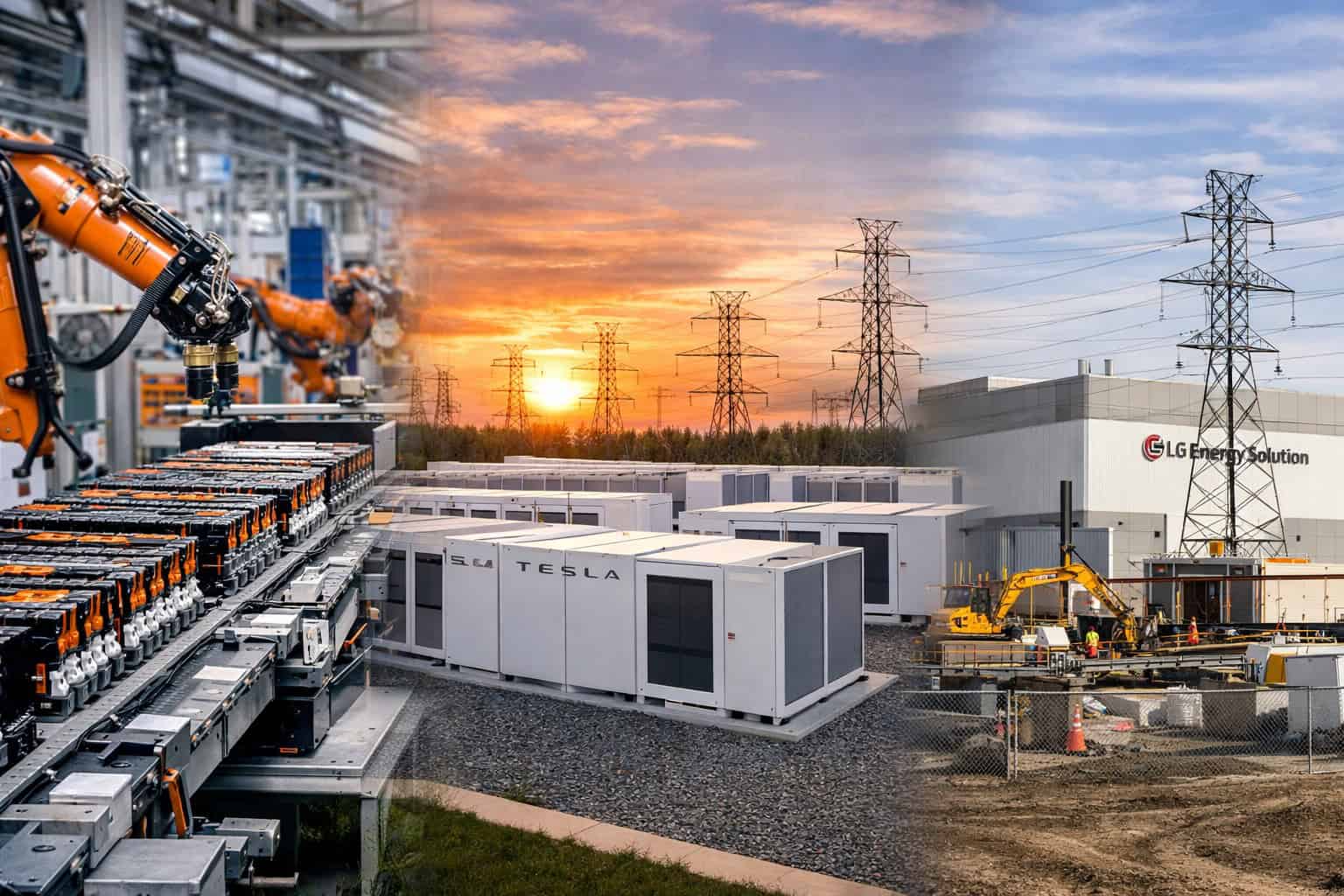
Major automakers including Ford Motor Co. and General Motors have already committed to multi-billion-dollar electrification strategies designed to reduce emissions from vehicles and manufacturing operations.
Both companies are investing heavily in electric vehicle production and battery manufacturing facilities across Michigan and neighboring states.
The shift is being driven by multiple forces: tightening global emissions regulations, investor pressure on climate disclosure, and consumer demand for cleaner technologies.
International policies are also influencing Michigan manufacturers.
The European Union’s Carbon Border Adjustment Mechanism, for example, will begin imposing tariffs on carbon-intensive imports, potentially affecting American companies exporting steel, aluminum and other industrial products.
For suppliers embedded in the automotive supply chain, that means emissions reductions may soon become a competitive necessity.
Energy Transition Accelerating in Michigan
The climate findings also highlight the importance of Michigan’s evolving energy system.
Utilities such as Consumers Energy and DTE Energy are gradually retiring coal plants and expanding investments in renewable power, battery storage and grid modernization.
Michigan has set a goal of reaching 100 percent clean electricity by 2040, a policy designed to reduce emissions while maintaining reliable power for homes and businesses.
The transition is occurring at the same time electricity demand is expected to grow significantly.
Data centers supporting artificial intelligence and cloud computing are projected to increase electricity consumption dramatically in the coming decade.
Some Michigan lawmakers are already debating whether large new data center projects could strain local power and water resources—a concern highlighted in recent proposals to temporarily pause new data center construction while environmental impacts are studied.
Those debates illustrate the balancing act facing policymakers: encouraging economic growth while managing energy demand and environmental risks.
What Are Planetary Boundaries?
Scientists have identified nine environmental limits that define the safe operating space for human civilization.
They include:
• Climate change
• Biodiversity loss
• Land system change
• Freshwater use
• Ocean acidification
• Chemical pollution
• Atmospheric aerosols
• Nitrogen and phosphorus cycles
• Stratospheric ozone depletion
Research suggests seven of the nine boundaries have already been exceeded, increasing the risk of destabilizing Earth’s ecosystems and climate systems.
Great Lakes Region Not Immune
Michigan’s location along the Great Lakes may offer certain climate advantages compared with coastal regions vulnerable to sea-level rise. But scientists say the region is still highly exposed to climate-related changes.
Warmer temperatures are already contributing to stronger storms, shifting precipitation patterns and fluctuating lake levels.
Those changes could affect shipping routes, fisheries and tourism economies that depend on the stability of the Great Lakes ecosystem.
Agriculture across the Midwest may also face growing challenges as extreme weather events become more frequent.
Insurance companies have begun warning that climate-related disasters are driving up the cost of property coverage nationwide, including in parts of the Midwest.
For businesses planning long-term investments, those risks are increasingly part of the economic calculation.
Climate Overshoot Becoming a Business Risk
The planetary boundary research does not predict immediate catastrophe. But scientists say the widening gap between emissions and safe limits increases the probability of major climate disruptions over time.
For corporate leaders, that uncertainty is already influencing investment strategies.
Companies across multiple industries are accelerating efforts to reduce carbon footprints, improve energy efficiency and develop low-carbon technologies.
In Michigan, that shift is visible in growing investments in electric vehicles, battery manufacturing, renewable energy and advanced materials.
The state has positioned itself as a key hub in the emerging electric mobility ecosystem, attracting billions of dollars in new manufacturing investment.
Those projects could help reduce emissions while sustaining Michigan’s historic role as a global center of automotive innovation.
But the new study makes clear that the scale of the challenge remains enormous.
Global emissions are still rising, and scientists warn the window for stabilizing the climate system is narrowing.
For Michigan businesses navigating the energy transition, the research highlights a broader reality: environmental limits once viewed primarily as scientific concepts are rapidly becoming economic forces shaping the future of industry