WASHINGTON DC – U.S. wind industry activity approached record levels in the second quarter as utilities and other purchasers locked in more than 18,200 megawatts (MW) of wind power capacity with another 2,600 MW of new wind energy generating capacity announced in the second quarter.
This data comes from the American Wind Energy Association’s (AWEA) U.S. Wind Industry Second Quarter 2016 Market Report. After emerging from several years of policy uncertainty that placed American jobs at risk, wind energy is on track to grow from supplying around five percent of U.S. electricity today to 10 percent by 2020, and 20 percent by 2030.
”There’s never been a better time to buy American wind energy,” said Tom Kiernan, CEO of AWEA. “Smart utilities and other customers are locking in prices at record lows by starting construction this year to qualify for the full-value PTC. The industry is thriving thanks to policy stability and we appreciate support from champions in Congress for a multi-year extension of the PTC. Wind power supports 88,000 well-paying jobs, and the wind turbine technician is the fastest growing profession in the U.S. This is what an efficient, performance-driven policy delivers – more low-cost clean energy and the American jobs that make it happen.”
Congress passed a multi-year extension of the performance-based wind energy Production Tax Credit with a bipartisan vote late last year. The multi-year PTC extension encourages utilities to invest in wind early, so they can scale up clean energy while making the most of the full-value PTC. The 2.3 cents per kilowatt hour PTC is scheduled to decrease to 80 percent of that value for projects that start construction in 2017, 60 percent in 2018, and 40 percent in 2019.
The 18,200 MW of current activity includes more than 12,450 MW of wind projects now under construction, with 3,000 MW in new construction announcements during the second quarter, an increase of 23 percent over the first quarter of 2016. Kansas led the nation this quarter in new construction announcements at 778 MW, followed by Iowa at 551 MW and North Dakota at 400 MW.
Utilities also disclosed more than 1,800 MW of wind Power Purchase Agreements (PPAs), the second highest volume of announcements in a single quarter since the beginning of 2014. Other utilities released requests for proposals and requests for information for thousands of megawatts of new renewable capacity, which are likely to lead to new wind purchases in the near future. These announcements illustrate growing utility appetite for wind energy to help keep costs low for ratepayers while also meeting clean energy targets.
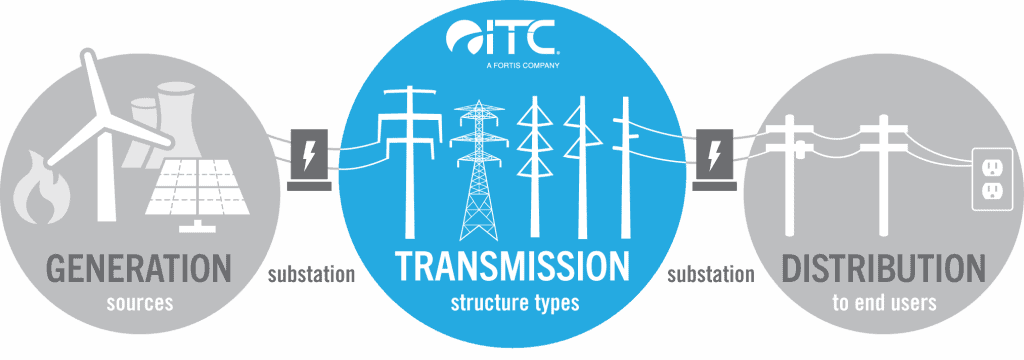
Strengthening our electric grid provides a number of benefits by providing consumers with lower-cost and more reliable power and greater access to renewable energy. Investing in more transmission capacity makes the grid more resilient and increases access to wind resources in low-cost areas.
For information about specific states, AWEA’s state fact sheets have been fully updated with second quarter 2016 data.