Recruiting Pressures Driving Change
The Army has struggled in recent years to meet enlistment targets, missing goals in both 2022 and 2023 as the pool of eligible recruits shrank.
Officials say the challenge is not just about interest — it’s about eligibility.
Health issues, prior legal history, and drug-related disqualifications have all reduced the number of Americans who qualify for military service.
To adapt, the Army has rolled out multiple changes, including raising the enlistment age to 42 and streamlining waiver approvals.
“We’re Hindering Ourselves”
Army leaders have openly acknowledged the tension between outdated rules and modern reality.
“At what point are we hindering ourselves by holding people to this type of conviction…?” Chipman said, referencing differences between state marijuana laws.
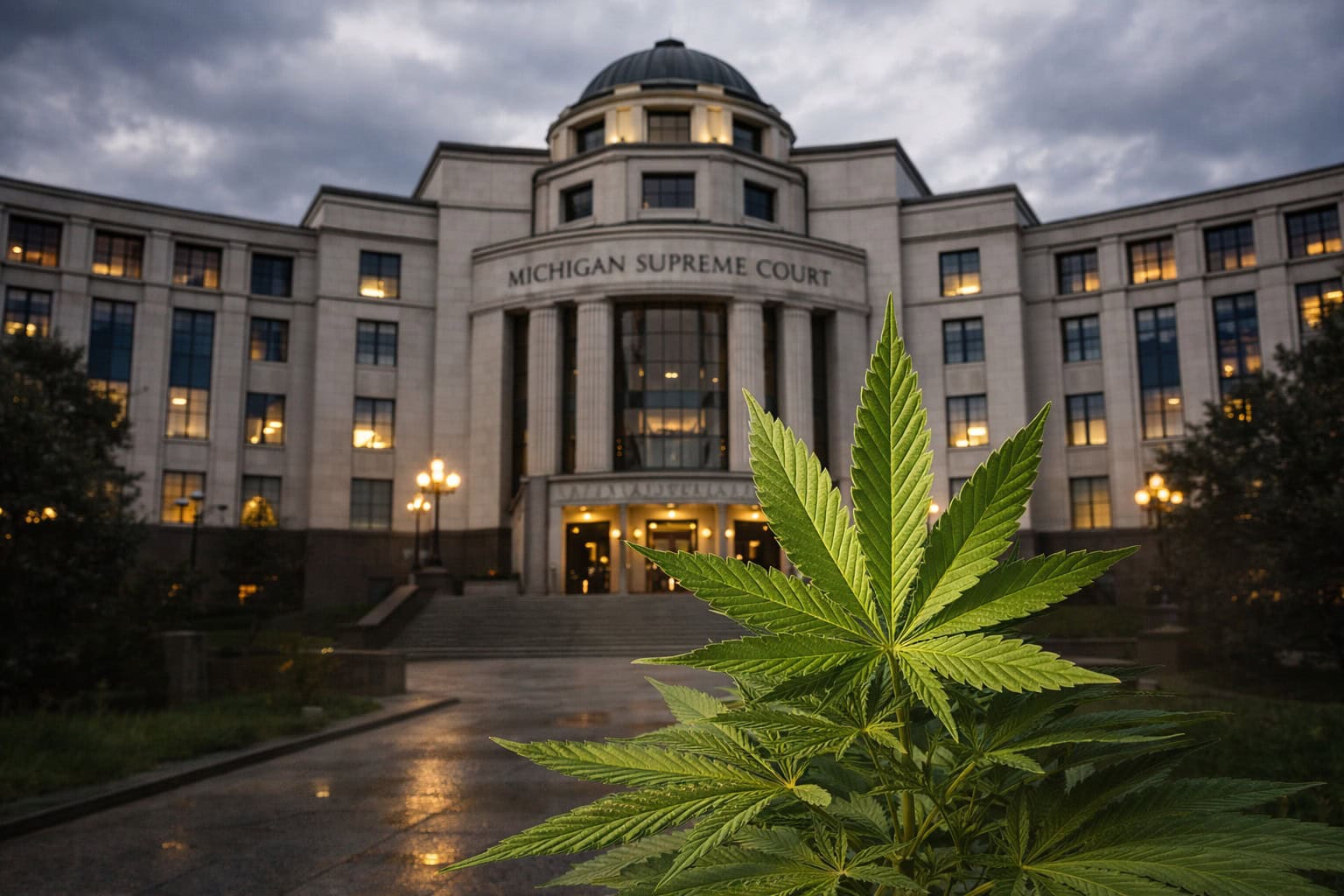
With recreational marijuana now legal in states like Michigan, the military has faced increasing pressure to reconcile federal standards with state-level norms.
Michigan Angle: A Smaller Talent Pool Everywhere
While the policy is national, its implications are local.
Michigan employers — from manufacturing to defense contractors — are facing the same issue: a shrinking pool of qualified workers.
The Army is now competing directly with those industries for talent.
And like private employers, it’s being forced to rethink long-standing hiring barriers.
A More Technical Force Driving Strategy
The recruiting shift also reflects a deeper transformation inside the military.
“We’re kind of looking at a more mature audience that might have experience in technical fields,” Chipman said.
As the Army prioritizes cybersecurity, AI, and advanced systems, it increasingly needs recruits with specialized skills — not just traditional enlistment profiles.
Bottom Line
The Army’s decision to drop marijuana waivers for minor offenses is not a sweeping policy change — but it is a clear signal.
Faced with a tightening labor market and evolving social norms, the military is adapting its recruiting strategy in ways that mirror what’s happening across the broader U.S. economy.
And in states like Michigan, where workforce shortages are already acute, the competition for talent is only intensifying.
Sources
- Task & Purpose, “Army ups enlistment age to 42, eases marijuana restrictions”
- Statements from U.S. Army officials and CNAS analyst Katherine Kuzminski