COLUMBUS – Ohio’s cannabis market is facing another political test.
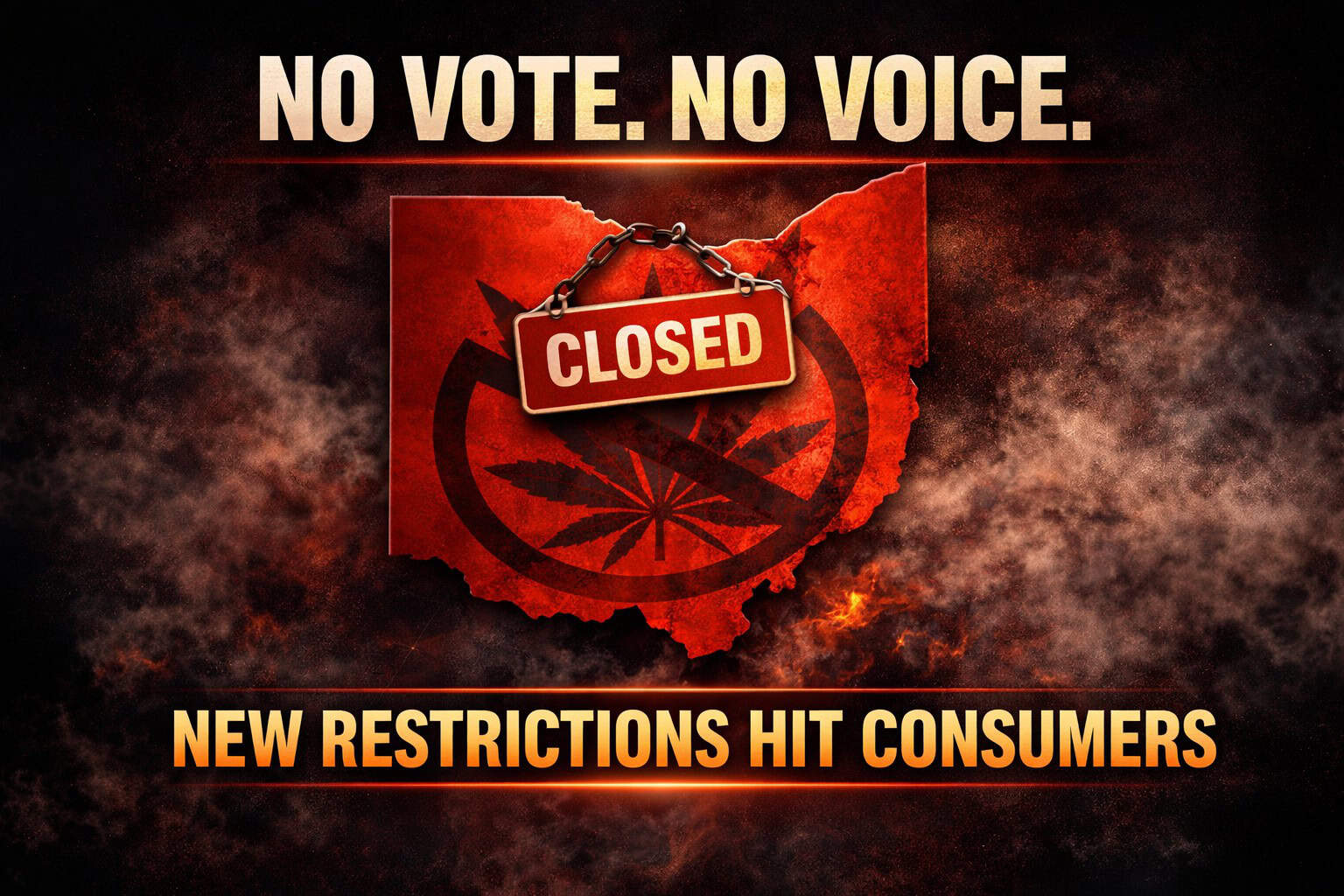
A coalition of hemp shop owners, cannabis retailers and advocates is attempting to block changes contained in Ohio Senate Bill 56, arguing the law rewrites what voters approved when they legalized adult-use marijuana.
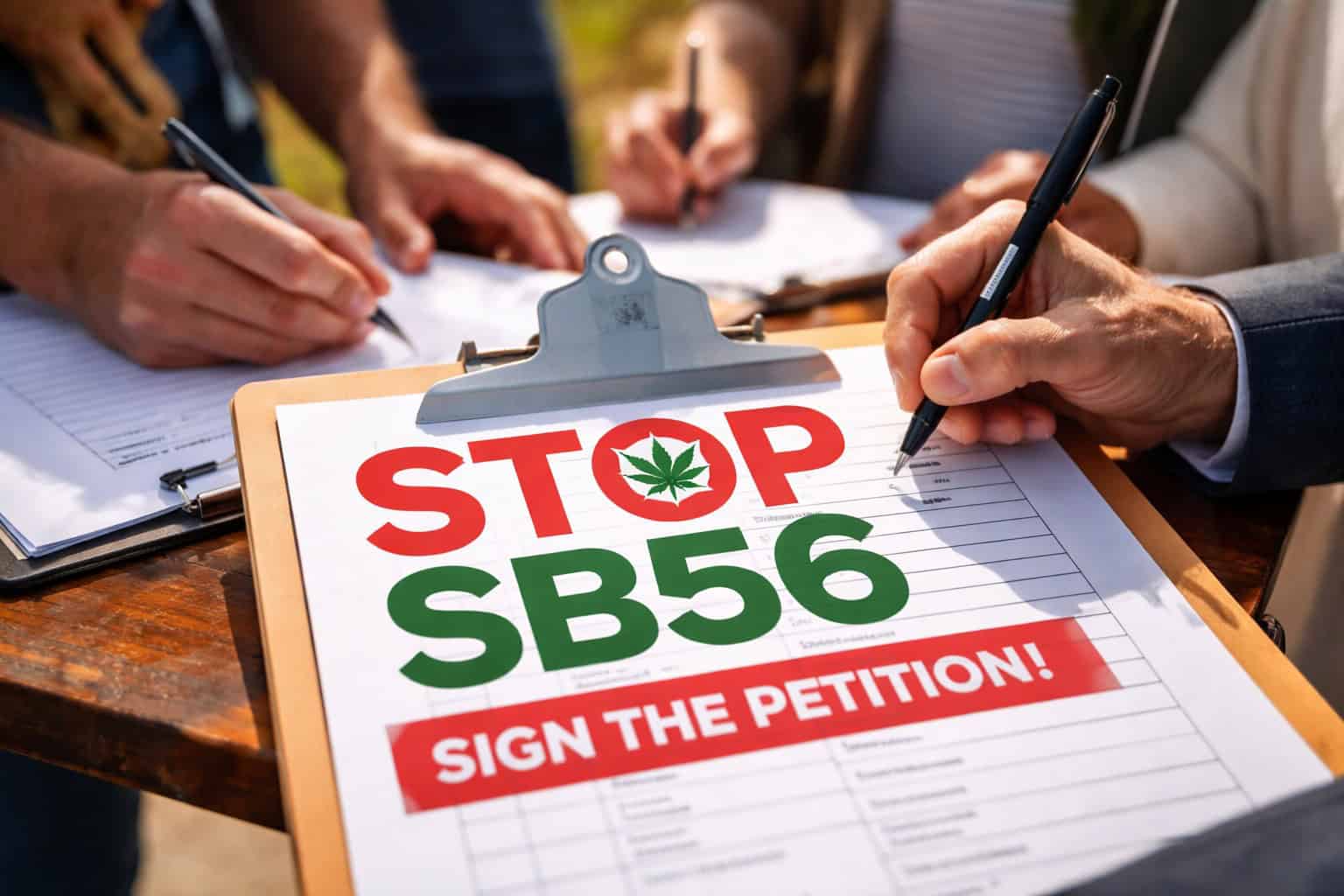
At the center of the fight is Bellaire shop owner and village councilman Bill Schmitt, who is organizing a statewide signature drive to halt the law before it takes effect.
Here’s the background — and why it matters to businesses and consumers.
1. What Ohio Voters Approved
In November 2023, Ohio voters passed Issue 2, legalizing adult-use cannabis for people 21 and older.
Because Issue 2 was written as an initiated statute — not a constitutional amendment — it can be amended by lawmakers with a simple majority vote.
That legal structure is the key to today’s conflict.
After legalization passed, the Ohio Legislature retained authority to:
-
Adjust tax rates
-
Change possession limits
-
Modify licensing structures
-
Tighten or loosen regulatory controls
Supporters of SB 56 say they are “cleaning up” the law. Opponents argue lawmakers are undoing voter intent.
2. What Senate Bill 56 Changes
While the final language is technical, critics say SB 56 makes several significant shifts:
Hemp-Derived THC Restrictions
The bill tightens rules around intoxicating hemp products — including Delta-8, THCA and other cannabinoids derived from federally legal hemp.
Retailers argue this effectively bans many products sold in smoke shops and CBD stores that are not licensed marijuana dispensaries.
Public Use Limits
The law further restricts where cannabis may be used publicly, narrowing what Issue 2 originally allowed.
Criminal Penalty Adjustments
Certain possession and transport provisions are revised, which opponents say reintroduces legal risk for consumers who believed cannabis was fully legalized.
Regulatory Control
The legislation strengthens oversight authority and alters how marijuana tax revenue is distributed.
The Legislature’s authority to make these changes is legal. The political question is whether it respects the spirit of the voter initiative.
3. Why Hemp Shops Are Alarmed
Many independent retailers operate under the 2018 federal Farm Bill, which legalized hemp containing less than 0.3% Delta-9 THC.
That law opened the door to a wave of hemp-derived cannabinoids that exist in a regulatory gray area.
Shop owners argue:
-
Hemp products represent the bulk of their revenue.
-
Thousands of small businesses could lose 70–90% of sales.
-
Consumers may shift back to unregulated black-market sources.
Supporters of tighter restrictions counter that intoxicating hemp products were never intended to bypass marijuana regulations and that clearer rules are needed to protect minors and ensure product testing.
This debate is playing out in multiple states, not just Ohio.
4. The Signature Drive: A High Bar
The deadline for the petition drive to suspend Senate Bill 56 and force a referendum vote in Ohio is tied to the law’s effective date:
-
Organizers with Ohioans for Cannabis Choice must collect about 248,000 valid signatures from registered Ohio voters, with signatures coming from at least 44 of the state’s 88 counties before SB 56 takes effect on March 20, 2026. If they meet that deadline, the law would be paused immediately and likely placed on the ballot for voters in November 2026.
In practice, petition campaigns must turn in their signatures to the Ohio Secretary of State by March 19, 2026 (the day before the law goes into force) to allow time for verification and to meet statutory timing requirements.
5. Broader Political Context
Ohio’s cannabis landscape has been evolving for nearly a decade:
-
Medical marijuana was legalized in 2016.
-
The first medical dispensaries opened in 2019.
-
Adult-use sales began rolling out after Issue 2 passed.
Meanwhile, states across the Midwest — including Michigan — have built large, mature recreational markets.
Michigan, for example, has seen billions in annual sales and aggressive price compression driven by competition and licensing density.
Ohio’s regulators have signaled a more measured rollout, prioritizing compliance and local control.
SB 56 reflects ongoing tension between:
-
Lawmakers concerned about potency and youth access
-
Retailers focused on survival in a newly competitive market
-
Voters who expected legalization to reduce criminal penalties
6. What Happens Next
Three outcomes are possible:
-
Signature effort fails – SB 56 takes effect as scheduled.
-
Signature threshold met – Law is suspended pending referendum.
-
Legislative compromise – Lawmakers amend the bill again before full implementation.
For business owners, the uncertainty itself is damaging. Inventory decisions, hiring plans, lease commitments and compliance investments are all affected by regulatory shifts.
For consumers, the question is whether products widely available today will still be legal months from now.
Why This Matters
Cannabis legalization is rarely static. Even after voters approve a measure, regulatory frameworks continue to evolve — often in ways that reshape markets.
The fight over SB 56 is less about whether marijuana is legal in Ohio — that question was settled at the ballot box — and more about:
-
How tightly the market should be controlled
-
Who is allowed to sell intoxicating products
-
Whether hemp-derived THC should be treated the same as marijuana
The outcome will help define Ohio’s cannabis economy for years to come.