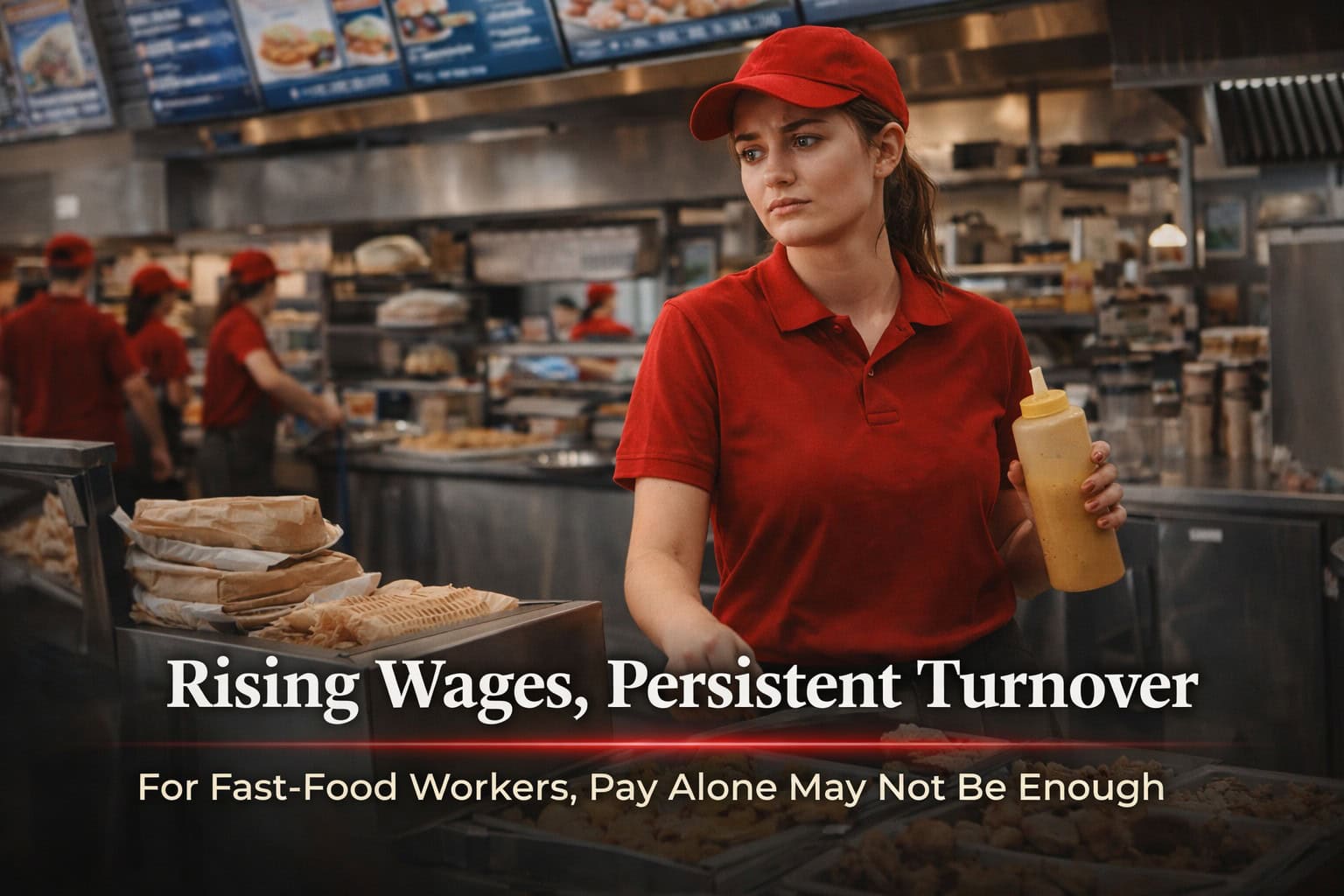
LANSING — As Michigan’s economy enters 2026, employers in key sectors are increasing wages and expanding hiring due to labor shortages, competition for skilled talent, and statewide policy shifts — including a scheduled minimum wage boost to $13.73/hour on Jan. 1, 2026.
Workers in several occupations — from frontline services to high-tech fields — could see stronger pay gains or demand growth this year as employers navigate national and regional labor trends.
Why Pay Is Rising in Michigan
Michigan’s median wage increased 2.9% in 2024, and most regions saw gains. Meanwhile, broader labor force trends — such as ongoing job openings and replacement needs — are pushing employers to adjust compensation.
Additional localized pressures include:
-
Minimum wage legislation: State law schedules continued increases to $15/hour by 2027 after $13.73 in 2026, influencing wage ladders across industries.
-
Healthcare labor demand: Michigan needs hundreds of thousands of direct care workers over the next decade.
-
Tech employment strength: Michigan ranks high nationally in tech jobs and new tech establishments, undergirding wage demand in skilled roles.
7 Roles Poised for Wage or Hiring Growth in 2026
1) Retail & Service Workers
Minimum wage increases and turnover pressures are pushing base pay higher, especially for workers earning near the entry level.
2) Construction & Skilled Trades
Michigan’s trade sectors — including construction, manufacturing, and automotive trades — continue to demand workers. Median hourly wages for many trades in the state exceed $30/hour in key roles.
3) Registered Nurses & Health Support Staff
Healthcare remains Michigan’s largest private-sector employer. Workforce needs — from aides to RNs — remain substantial, with filled roles commanding competitive pay.
4) Data Analysts & Data Scientists
Companies in Michigan are increasingly seeking professionals who can translate data into actionable strategy — especially in manufacturing analytics and business intelligence. Local demand mirrors national trends in data roles.
5) Information Technology & Software Developers
Tech sector wage data shows IT workers with weekly earnings above the statewide average, reflecting strong compensation for skilled labor.
6) Logistics & Transportation
Michigan’s strategic location and supply chain infrastructure are driving demand for logistics professionals — from truck drivers to distribution planners — often with above-average regional wages.
7) Marketing, HR & Business Operations Roles
Regional workforce data shows expanded demand across business support roles — spanning HR, project management, finance and facilities — as companies scale operations.
Regional and Sector Signals
-
West Michigan is a standout for job growth, outpacing many parts of the state in projected employment increases.
-
Urban centers like Grand Rapids show large employers in healthcare and services, supporting stable demand and wage pressure across sectors.
-
Metro Detroit’s economy — a national hub for advanced manufacturing and tech — supports wages and jobs outside traditional auto roles.
What This Means for Michigan Workers
Job Seekers:
Target training in fields with growing demand — healthcare, tech, trades — especially in regions showing stronger employment projections.
Employees:
Use wage data and regional demand signals as leverage when negotiating pay or considering reskilling into higher-growth occupations.
Employers:
Be prepared to compete on wages, benefits and training investment — especially in fields where shortages are largest.Michigan Jobs With Rising Pay & Demand (2026)
| Job Category | Typical 2025 MI Pay | 2026 Outlook | What’s Driving Demand |
|---|---|---|---|
| Retail & Service Workers | $12–$15/hr | ⬆ Moderate | State minimum wage increase to $13.73/hr; high turnover |
| Construction & Skilled Trades | $28–$38/hr | ⬆ Strong | Infrastructure projects; housing; retirements |
| Registered Nurses (RNs) | $36–$45/hr | ⬆ Strong | Staffing shortages; aging population |
| Health Aides & Support Staff | $15–$20/hr | ⬆ Strong | Long-term care demand; hospital capacity |
| Data Analysts / Data Scientists | $85k–$115k | ⬆ Strong | AI adoption; manufacturing analytics |
| IT & Software Developers | $80k–$120k | ⬆ Moderate–Strong | Cloud, cybersecurity, automation |
| Logistics & Transportation | $22–$35/hr | ⬆ Moderate | Supply chain reshoring; e-commerce |
Sources: Michigan LEO, BLS, regional workforce agencies, employer surveys
Arrows reflect wage and hiring pressure, not guaranteed increases
“` :contentReference[oaicite:1]{index=1}
::contentReference[oaicite:2]{index=2}