LANSING — Michigan’s minimum wage is set to increase from $12.48 to $13.73 per hour on Jan. 1, 2026, under the state’s Improved Workforce Opportunity Wage Act — a scheduled rise that continues the state’s multi-year wage adjustment tied to inflation and economic conditions.
The law, passed in 2018, raises the minimum wage only in years when Michigan’s unemployment rate stays below 8.5%. After a period of legal uncertainty and economic recovery, the state confirmed that the 2026 increase will move forward as planned. The increase is expected to affect hundreds of thousands of workers and employers across Michigan.
Michigan has already seen earlier minimum wage increases, which produced benefits for workers while also creating pressure points for businesses.
1. Breakdown of the Michigan Minimum Wage Increase 2026
-
Standard minimum wage: $12.48 → $13.73 per hour
-
Youth wage for 16–17-year-olds (85% rate): $10.60 → $11.67 per hour
-
Tipped wage (40% of minimum): $5.49 per hour, provided workers earn at least $8.24 in tips
-
Training wage: Remains $4.25 per hour for employees under age 20 during their first 90 days
Michigan’s adjustments arrive as labor shortages persist in retail, health care, hospitality, and service sectors — industries that already struggle to fill open jobs.
2. Economists: Michigan Wage Increase Will Help Restore Lost Purchasing Power
Labor economists say the change is a necessary response to several years of inflation that hit low-wage workers the hardest.
“This increase helps Michigan workers regain some of the purchasing power they’ve lost over the past several years,” said a senior economist at the Midwest Economic Policy Institute. “Inflation hit low-wage households the hardest, so adjustments like these are essential for long-term stability.”
Some analysts argue that the market is already ahead of the law.
“Many employers are already paying above the minimum wage because demand for workers remains high,” said a labor market analyst with the Great Lakes Employment Research Center. “This scheduled increase simply aligns the legal floor with real-world wages.”
Economists also warn that internal pay scales may need to shift.
“Wage compression becomes a bigger issue when minimum wages rise,” said a University of Michigan labor economist. “Employers may need to raise wages for experienced workers as well, which can increase costs across the board.”
3. Business Groups Raise Concerns About Michigan Wage Increase
While worker advocates praise the increase, business owners and associations say the mandate adds financial stress during an unpredictable economic period.
“Wage mandates continue to put pressure on employers already dealing with rising insurance costs and supply chain challenges,” said a spokesperson for the Michigan Chamber of Commerce. “Businesses may respond with reduced hours, fewer new hires, or postponed investments.”
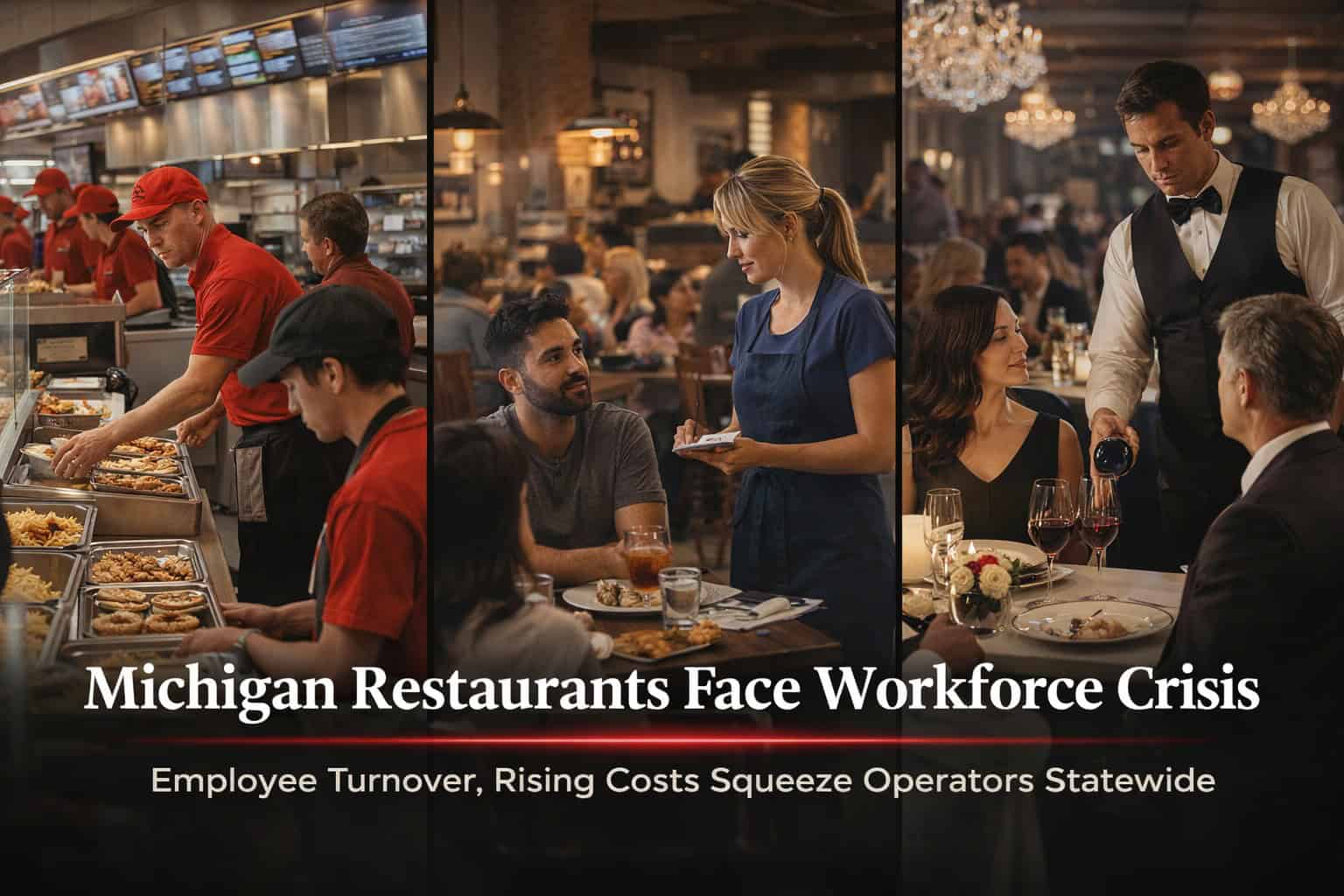
Restaurant owners, who operate on thin margins, are particularly concerned.
“Every increase affects our bottom line, especially in hospitality where costs are already rising,” said a Lansing café owner. “We support fair pay, but automatic hikes force us to consider raising prices or cutting staff.”
Free-market policy groups argue that mandated wage hikes can unintentionally reduce opportunities for young or low-skill workers.
“Minimum wage increases sound good politically, but they often harm the very people they aim to help,” said an analyst at the Midwest Free Enterprise Institute. “Teens and entry-level workers are most likely to lose jobs as employer costs increase.”
Retail associations say small businesses will struggle more than large chains.
“Uniform wage hikes disproportionately burden independent retailers,” said a spokesperson for the Michigan Retailers Association. “Many cannot absorb the wage increases as easily as national chains.”
4. Worker Advocates Respond: Wage Hikes Boost Local Economies
Advocacy groups for workers and low-income families say the wage increase is overdue and will stimulate local economies as workers spend more on necessities.
“People earning minimum wage don’t save this money — they spend it immediately in their communities,” said a representative from the Michigan Workers Defense Coalition. “That spending helps local businesses and supports economic growth.”
Advocates also point to broader economic trends.
“Most employers report difficulty hiring at wages below $15 already,” said a spokesperson for Working Families Michigan. “If anything, the new minimum wage still lags behind what workers need.”
5. Economic Context: Labor Market Strength Drives the Increase
Michigan’s wage adjustments reflect broader trends:
-
State unemployment remains below the 8.5% threshold required by law
-
Many industries continue to face severe worker shortages
-
Inflation has slowed but remains higher than pre-pandemic levels
-
Competition for workers has already pushed wages above statutory minimums in many sectors
Retailers, restaurants, and health care facilities have been paying above minimum wage for most entry-level positions since 2022, analysts say.
6. What Employers Must Do Before the Michigan Minimum Wage Increase
Businesses are required to:
-
Update payroll systems
-
Adjust job postings and wage offers
-
Review pay scales to avoid wage compression
-
Post the updated state minimum wage poster provided by the Michigan Department of Labor and Economic Opportunity
Michigan LEO’s wage posters and FAQs are available at:
Michigan.gov/MinimumWage
More Michigan news from MiTechNews.
Final Thoughts
Michigan’s 2026 minimum wage increase reflects a growing economy, but it also reignites debate between worker advocates who say wages must keep pace with living costs and business groups who argue that mandated increases limit competitiveness.
The change continues the ongoing balancing act between creating a sustainable wage floor and maintaining a business climate that can absorb rising labor costs. From a broader perspective, the policy underscores how Michigan continues to navigate the delicate balance between wage growth and business sustainability.
FAQs
1. Why is Michigan increasing the minimum wage in 2026?
The increase is required under Michigan’s Improved Workforce Opportunity Wage Act, which ties wage hikes to economic conditions and unemployment rates.
2. Who will be affected by the Michigan minimum wage increase?
The change will affect hundreds of thousands of workers and employers across Michigan, especially in retail, hospitality, health care, and service industries.
3. Does the Michigan minimum wage increase apply to tipped workers?
Yes. Tipped workers will continue earning 40% of the standard minimum wage, provided total earnings meet required thresholds.
4. How are businesses responding to the Michigan minimum wage increase?
Business groups express concern about rising labor costs, while many employers already pay above the minimum due to worker shortages.