GRAND RAPIDS – Michigan’s economy entered 2026 much like it exited 2025: cautious, uneven and still searching for momentum.
A new survey of West Michigan purchasing managers from Grand Valley State University shows the region’s economy slowed for the third consecutive month, underscoring broader challenges facing the state’s manufacturing-heavy base.
But while parts of Michigan remain in contraction, other regions are showing relative stability — and business confidence is slowly improving.
West Michigan: Manufacturing Still Under Pressure
In Grand Rapids and surrounding counties, the latest monthly survey conducted by Grand Valley State University economist Brian Long paints a restrained picture.
“One of the major strains on our economy has been the tariff wars,” said Long, director of supply management research at GVSU’s Seidman College of Business. “For some of our survey respondents, they remain a major problem and a significant inhibitor of growth.”
Key January survey results:
-
New Orders Index: -11 (unchanged from December)
-
Production Index: -5 (improved from -17)
-
Employment Index: -2 (improved from -9)
-
Lead Times Index: +4 (down slightly from +6)
Negative new orders for three straight months signals continued contraction in the region’s industrial sector — traditionally an early indicator for broader economic slowdowns.
At the same time, modest improvement in production and employment suggests the contraction may be stabilizing rather than accelerating.
Statewide Concern: Unemployment Remains Elevated
Michigan’s unemployment rate remains among the highest in the nation — currently fifth highest — a structural challenge that adds pressure to already cautious business leaders.
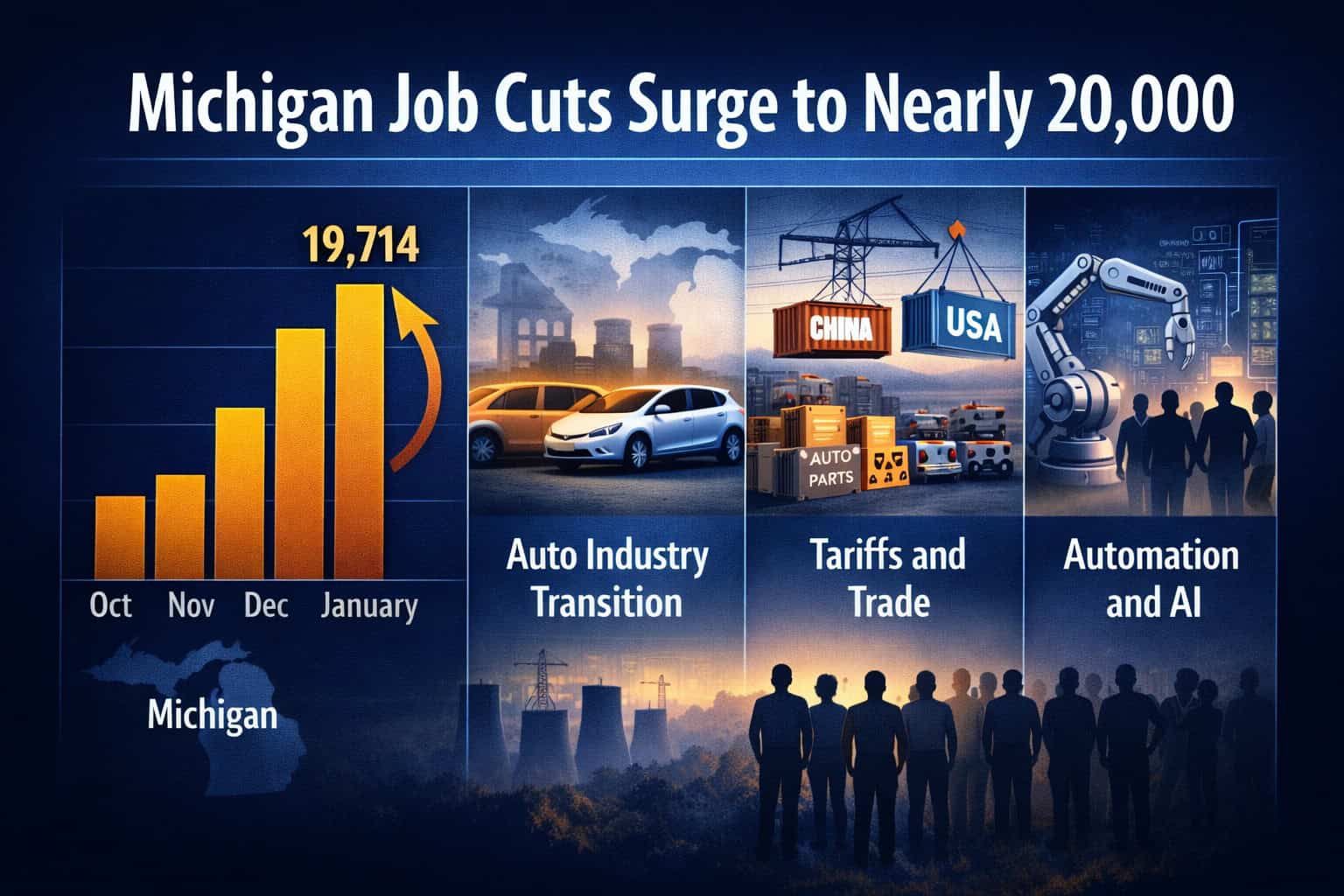
Manufacturing softness, supplier restructuring tied to electric vehicle transitions, and tariff-related uncertainty continue to weigh on hiring decisions.
Business climate concerns have also surfaced in recent surveys, with some executives expressing frustration over regulatory and cost pressures.
Still, national supply management indicators are turning more optimistic.
“We’ve had a significant number of statistics coming in that say that the 2026 economy, at least for the short term, will be positive,” Long said.
Southeast Michigan: Auto Transition Creates Mixed Signals
In Metro Detroit, Michigan’s economic engine, the picture is complex.
Major automakers — including Ford Motor Company and General Motors — continue investing billions in electric vehicle production and battery facilities.
But suppliers are navigating:
-
Lower traditional vehicle volumes
-
High capital investment costs
-
Supply chain recalibration
-
Shifting global trade policies
The EV transition is long-term growth-oriented, but in the short term it creates disruption across Southeast Michigan’s vast supplier network.
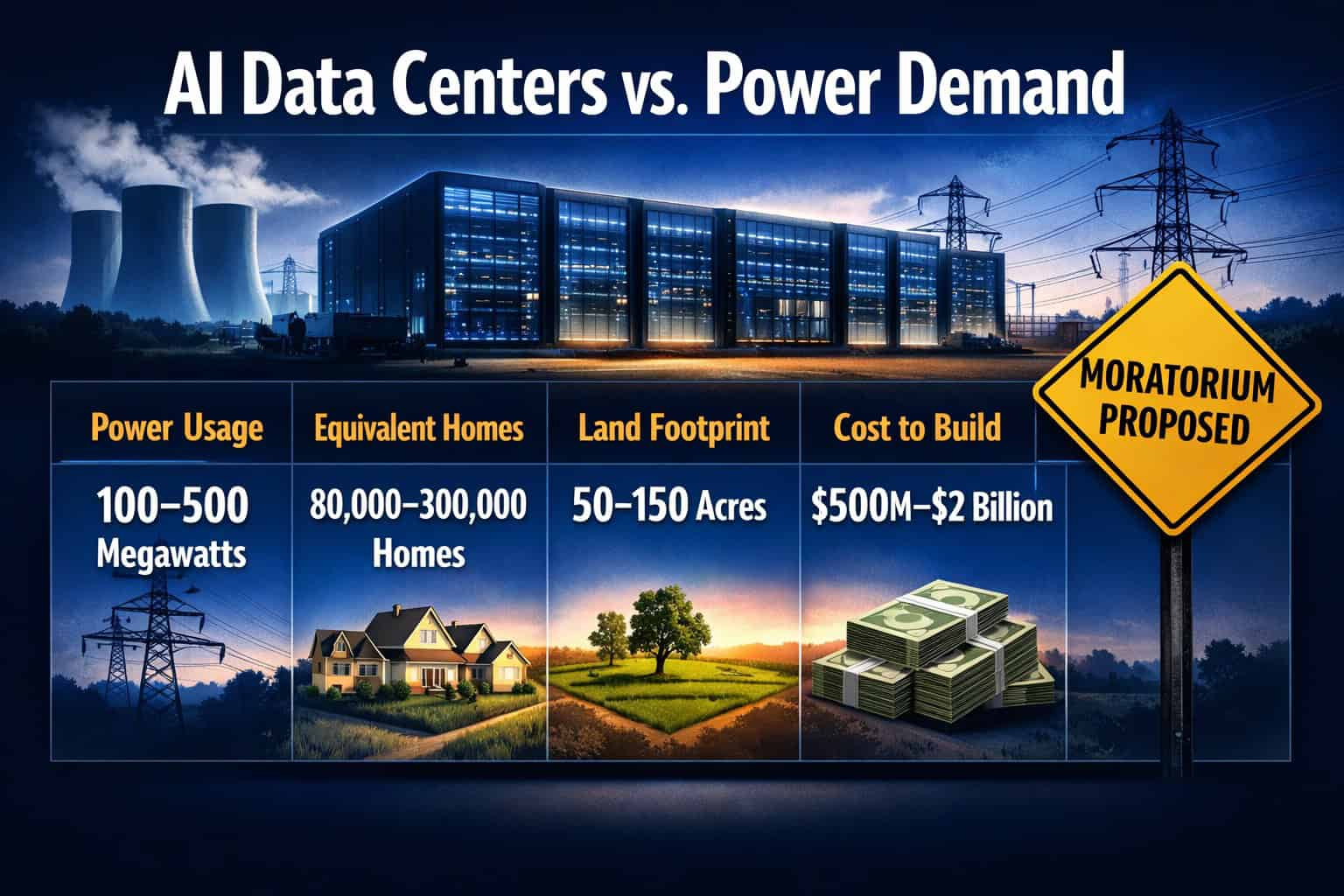
At the same time, Ann Arbor’s technology corridor, defense contracting activity, and continued data center proposals offer some economic diversification beyond auto manufacturing.
Mid-Michigan: Stability From Government, But Limited Growth
Mid-Michigan — anchored by Lansing — tends to experience less volatility during manufacturing downturns due to the stabilizing influence of state government employment and healthcare.
Public sector hiring has provided insulation compared to purely industrial regions.
However, parts of the region still tied to automotive suppliers and advanced manufacturing are reporting slower order books and cautious expansion plans.
The result is steadiness — not acceleration.
Northern Michigan: Watching Tourism and Consumer Spending
In Northern Michigan, where tourism, healthcare and small-scale manufacturing dominate, the economic outlook depends heavily on consumer confidence.
If national optimism translates into increased discretionary travel and seasonal spending, the region could rebound quickly.
But small manufacturers in the region report tighter margins tied to input costs and supply volatility.
The region is less exposed to auto restructuring but more sensitive to shifts in consumer demand.
Upper Peninsula: Resource Economy Moves at Its Own Pace
The Upper Peninsula’s economy — driven by mining, forestry, energy and tourism — tends to move on a slower cycle.
Tariffs and global trade shifts impact steel inputs and export markets, but volatility is typically less dramatic than in auto-heavy regions.
If national manufacturing strengthens in 2026 as projected, the U.P. could see incremental gains.
Confidence Rising, But Orders Lag
The most important signal in the latest data may not be contraction — but expectations.
Business confidence indicators are improving both regionally and nationally.
Yet confidence has not yet translated into stronger new orders.
That gap is critical.
Michigan’s economy in early 2026 is not collapsing. It is recalibrating.
Manufacturing remains soft. Employment is cautious. Investment is selective. But forward-looking indicators suggest stabilization rather than deterioration.
The next several months will determine whether rising confidence becomes measurable growth — or whether tariff uncertainty and structural transition continue to restrain the state’s recovery.