The Rise of Contactors in Modern Industry
In today’s era of rapid industrial advancement, the success of any complex electrical system largely rests on its switching mechanisms. The contractor is an essential component that ensures efficient and safe electrical operations. A closer look at contactors reveals their critical role in managing high-power circuits, particularly in industrial setups. With companies like Schneider Electric leading the way, the evolution and implementation of contactors in advanced system controls are setting new benchmarks in the industry.
The Distinctiveness of Contactors
Dive into the intricate realm of electrical controls and it becomes clear that the criteria are not only about controlling power but also about doing so consistently. Contactors, which are built to meet these high standards, are specialized switches that control the flow of electricity in high-power systems. Their utility extends across a wide range of industrial applications, from simple mechanical operations to complex manufacturing processes. One might wonder what distinguishes these contactors from standard switches. Their adaptation and resilience provide the answer. They can resist the rigors of industrial demands, ensuring that operations continue smoothly and without interruption. Schneider Electric, a well-known name in the industry, is notable for its contribution to refining and optimizing contactor designs, hence increasing their efficiency and dependability.
Safety First: Contactors at the Forefront
However, the discussion does not end there. Safety comes first, especially in situations where the margin for error is nearly non-existent. Contactors are also important in this regard. They have characteristics that identify possible problems, such as overloads or short circuits, and act quickly to block the flow, protecting both the equipment and the operators. This proactive safety mechanism, which businesses such as Schneider Electric emphasize in their services, emphasizes the need for contractors in industrial settings.
Preparing for the Future: Industry 4.0 and Beyond
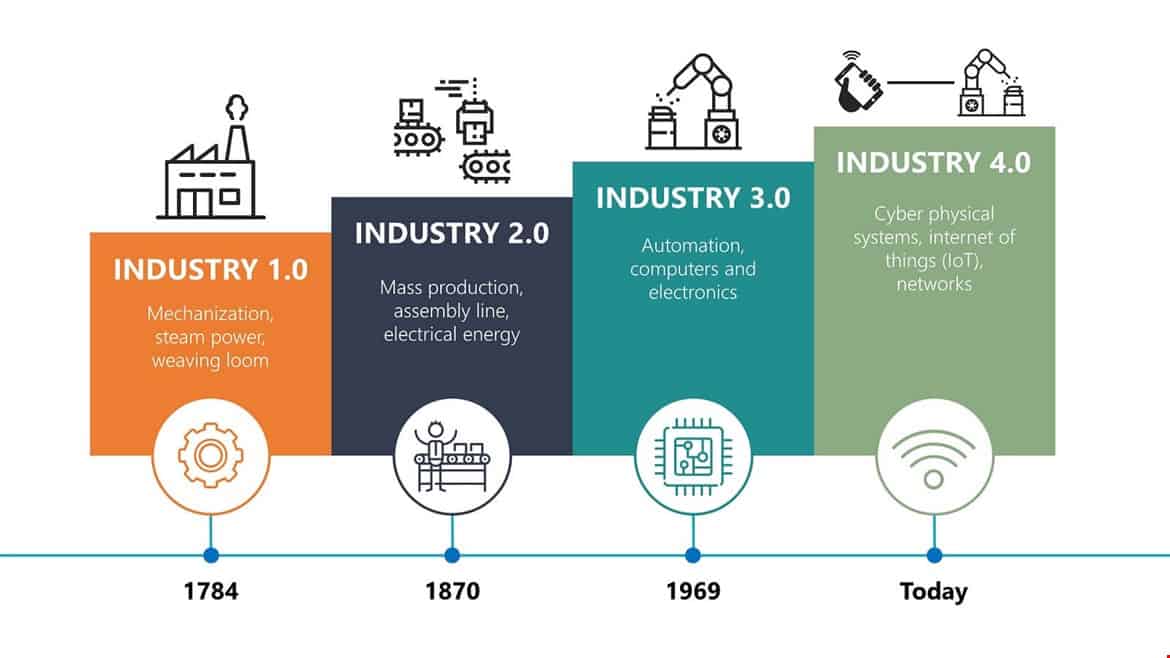
Dive deeper into the modern world, and it’s clear that we’re on the verge of a technological revolution. The requirements for advanced system controls are changing as the pillars of Industry 4.0 and smart manufacturing gain importance. Contactor integration will need to be more intuitive and adaptive in this changing environment. Schneider Electric, known for its innovative spirit, is already setting the way by investing in R&D to create the future of contractors. However, like with all technological improvements, obstacles lie ahead. It will be critical to ensure that contractors remain energy-efficient, resistant to external conditions, and compatible with smart technology. Schneider Electric’s commitment to pushing the limits of what is possible provides industry stakeholders hope for the future.
Green Energy and Contactors’ Role
The increased use of renewable energy sources increases the importance of contractors. Solar panels and wind turbines are becoming more common as the world shifts to sustainable energy alternatives. With their varying power outputs, renewable energy systems rely largely on strong switching mechanisms. Contactors guarantee that various energy sources interface smoothly with existing grids, efficiently and safely managing the dynamic power flow. With its commitment to sustainability, Schneider Electric is playing a critical role in ensuring that contractors evolve to meet the unique demands of renewable energy systems.
Digitization and the Evolution of Contactors
Another thing to think about is the digitization of industrial operations. Interconnected gadgets are becoming the norm as the Internet of Things (IoT) progresses. These gadgets, ranging from simple sensors to complex machinery, connect in real-time, exchanging massive volumes of data. Contactors are emerging as smarter devices in this digital world. They are no longer simply switching mechanisms, but are outfitted with sensors and software that allow them to provide real-time feedback, predict maintenance needs, and adapt to changing operational requirements. Schneider Electric’s ambition for a digital and interconnected future is exemplified by the transformation of contactors into intelligent devices.
Conclusion
In conclusion, the world of industrial operations is changing, with technological advancements and global sustainability goals transforming the scene. Contactors, despite their apparent simplicity, are at the center of this shift. Their contribution to maintaining effective, safe, and long-term operations makes them important. The basic contactor’s journey from a plain switch to an intelligent device stands as a tribute to the power and promise of innovation as the industry progresses, spearheaded by visionaries like Schneider Electric.