Even brief disruptions to power, water, or manufacturing systems could ripple across Michigan’s economy—experts say the real risk isn’t always a full-scale shutdown.
ANN ARBOR – Cyberattacks on critical infrastructure don’t have to trigger a massive blackout to cause serious economic damage.
In fact, cybersecurity experts say the more likely—and potentially more costly—scenario is something far less dramatic: a brief disruption, a localized outage, or a temporary system shutdown that ripples across supply chains and business operations.
For Michigan, where manufacturing, energy, and water systems are deeply interconnected, even a short interruption could carry outsized consequences.
Small Disruptions, Big Costs
Modern cyber threats are evolving. Rather than aiming for immediate, large-scale destruction, many attackers are focused on probing systems, identifying vulnerabilities, and gaining footholds that could be used later.
That means the biggest risk isn’t necessarily a catastrophic failure—it’s targeted, limited disruptions that still create real-world economic impact.
In Michigan, that could look like:
- A brief power disruption affecting an automotive supplier
- A temporary shutdown of a water treatment system
- A cyber incident that forces a manufacturing line offline for several hours
Individually, these events may seem manageable. But in a tightly connected industrial ecosystem, the ripple effects can spread quickly.
Manufacturing: A High-Stakes Target
Michigan’s economy remains heavily dependent on advanced manufacturing, particularly in the automotive sector. Many facilities operate on just-in-time production models, where even minor delays can disrupt entire supply chains.
A one-hour outage at a key supplier, for example, could delay production at multiple downstream facilities—creating losses that extend far beyond a single company.
Industry analysts note that as factories become more digitized and connected, they also become more exposed to cyber risks that didn’t exist a generation ago.
Energy and Water Systems in the Crosshairs
Energy infrastructure has long been considered a high-value target for cyberattacks. But experts say water systems—many of which rely on aging infrastructure and legacy software—may be even more vulnerable.
Michigan’s utilities have invested heavily in cybersecurity in recent years. Still, integrating modern defenses with older systems presents ongoing challenges.
Even a temporary disruption to power or water services could:
- Halt production at industrial facilities
- Impact hospitals and public services
- Create localized economic slowdowns
These are not hypothetical scenarios. Similar incidents in other parts of the country have demonstrated how quickly disruptions can escalate.
The Hidden Risk: Interconnected Systems
One of the biggest challenges in defending infrastructure is the growing interconnection between systems.
Electric grids, water treatment facilities, and manufacturing operations are increasingly linked through digital networks. While that connectivity improves efficiency, it also creates more potential entry points for attackers.
Cybersecurity experts often describe this as a “low probability, high consequence” risk.
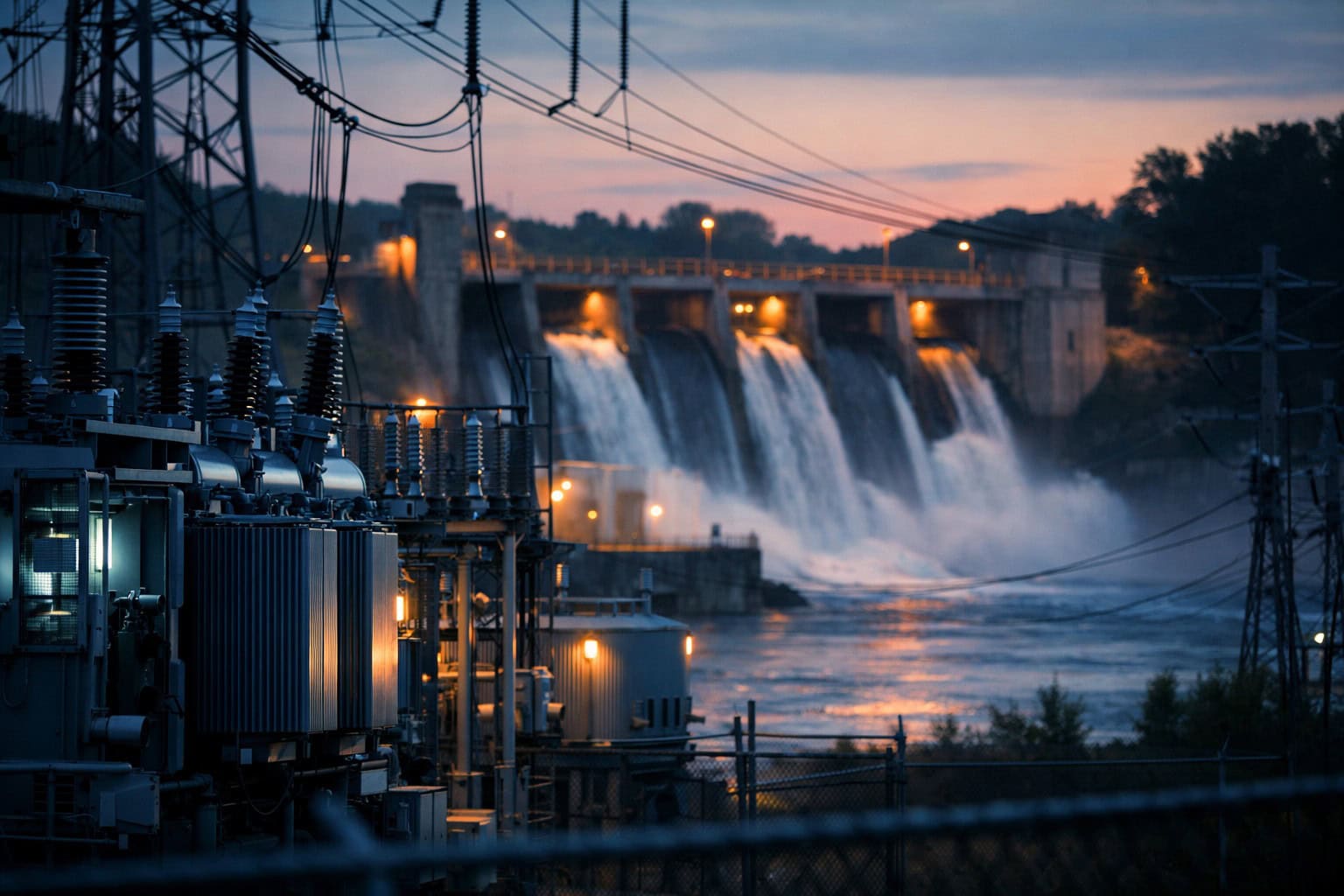
In Michigan, that extends beyond traditional utilities to include hydroelectric dams and other infrastructure that, while not frequent targets, are part of the broader system.
There is no indication that such assets are currently under specific threat. But as more infrastructure becomes digitally connected, the overall attack surface expands.
What This Means for Michigan Businesses
For business owners and operators, the takeaway is clear: cyber risk is no longer just an IT issue—it’s an operational and financial risk.
Even short disruptions can:
- Interrupt production schedules
- Delay shipments and contracts
- Increase operational costs
- Damage customer relationships
And because many companies are connected to larger supply chains, the impact of a single incident can cascade across multiple industries.
Are We Prepared?
Utilities and infrastructure operators across Michigan have stepped up cybersecurity efforts, investing in monitoring systems, threat detection, and response planning.
But experts caution that the threat landscape is evolving just as quickly.
The question isn’t whether progress is being made—it’s whether defenses are keeping pace with increasingly sophisticated and persistent threats.
For Michigan, the biggest cyber risk may not be a headline-grabbing attack that shuts down the grid.
It may be something quieter—but just as costly.
A short disruption. A delayed production run. A system forced offline for a few hours.
In a state where industries are tightly connected and time-sensitive, that can be enough to turn a cyber incident into a multimillion-dollar problem.