ANN ARBOR – As layoffs continue to ripple through the tech sector, a growing number of displaced workers are asking a question that would have sounded speculative just a few years ago: Did artificial intelligence take my job — or was it simply part of a broader reset?
From Silicon Valley to the Midwest, companies are cutting jobs at the same time they are investing heavily in AI systems. The overlap has fueled anxiety and confusion, even as most employers stop short of explicitly blaming AI for workforce reductions.
What is becoming clear is that this is not a simple story of machines replacing humans. Instead, it is a deeper shift in how companies define productivity, allocate capital, and decide how many people they actually need.
AI and the Layoff Narrative
Over the past year, U.S. employers have increasingly cited automation and AI in restructuring plans and workforce disclosures. Layoffs tied to technology-driven efficiency have risen sharply compared with previous years, according to labor-market tracking firms.
Yet most companies avoid saying AI replaced workers outright. Instead, layoffs are framed as restructuring, cost discipline, or a rebalancing after pandemic-era overhiring. At the same time, many of those same companies highlight AI as a top strategic investment.
In practice, the pattern often looks like this: headcount is reduced, AI tools are rolled out across teams, and remaining employees are expected to handle more work with fewer resources. Jobs disappear not because AI can fully replicate them, but because executives believe fewer people are needed once automation is embedded into daily workflows.
Beyond Big Tech: AI’s Quiet Reach
While tech-sector layoffs attract the most attention, AI-driven workforce changes extend far beyond software companies.
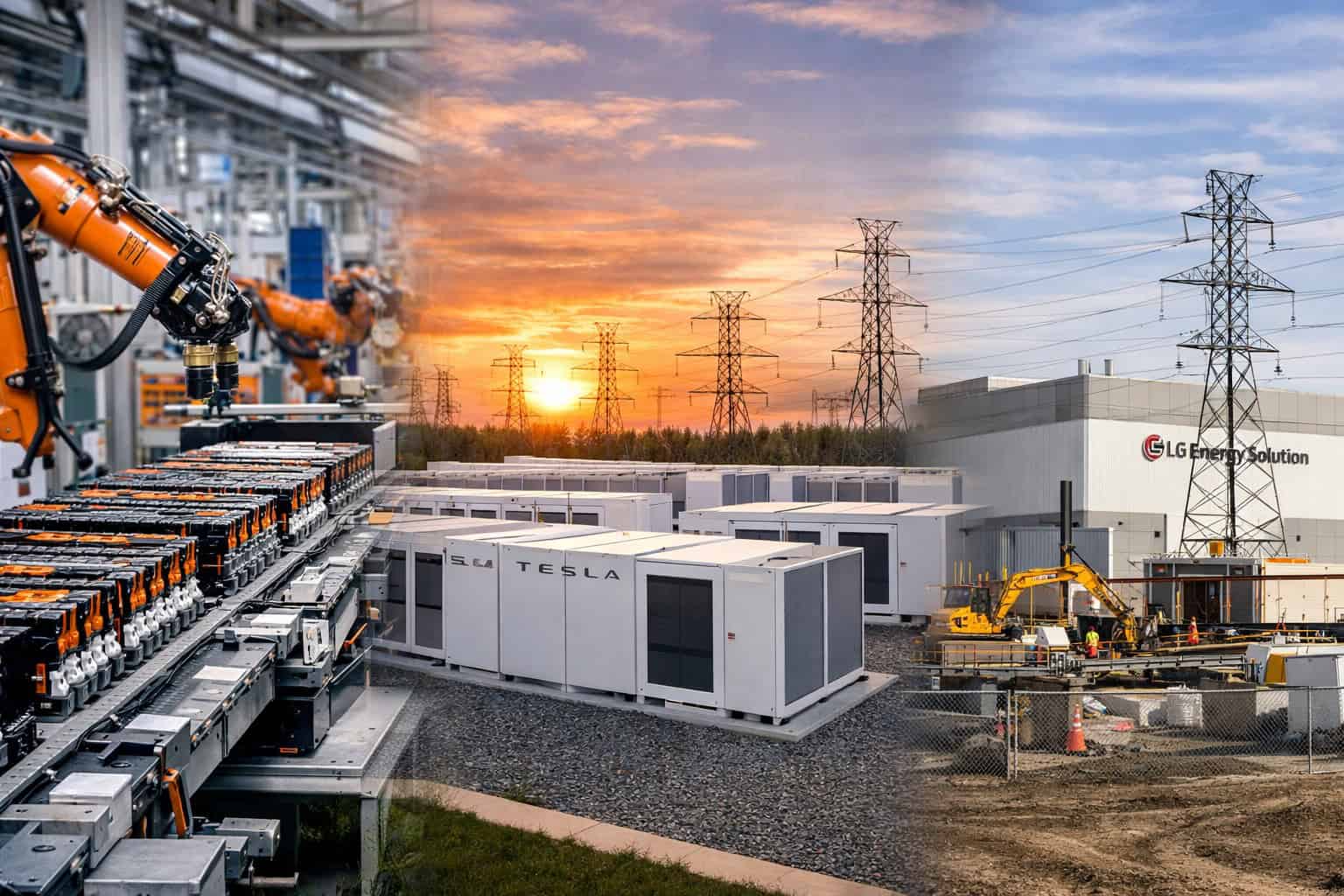
Financial services firms are automating back-office functions such as accounting and compliance. Manufacturers are deploying AI-powered robotics, computer vision, and predictive maintenance systems. Marketing, customer service, logistics, and human resources departments are increasingly augmented by AI software.
Economists describe this phase as a gradual compression of jobs rather than a sudden collapse. Entry-level roles shrink. Teams get leaner. Skill requirements rise. Productivity expectations climb.
The result is a labor market where fewer people are asked to produce the same — or greater — output, supported by automation that works continuously and scales easily.
What This Looks Like in Michigan
That national pattern is already visible in Michigan, where AI adoption is intersecting with long-standing industrial and economic pressures.
Dow, which maintains a significant Michigan footprint, has announced thousands of global job cuts tied to productivity and efficiency initiatives that include expanded use of automation and AI. Company leaders have framed the reductions as necessary to control costs and remain competitive, underscoring how AI investments are increasingly linked to workforce reductions even in traditional industrial firms.
Acrisure, headquartered in West Michigan, has also confirmed layoffs connected to the rollout of AI-enabled systems, particularly in finance and accounting functions. The company has acknowledged that automation is allowing certain tasks to be handled with fewer employees — one of the clearest examples in the state of AI directly reducing headcount in specific job categories.
Meanwhile, Michigan’s manufacturing and automotive supply chains continue to accelerate adoption of AI-driven robotics, quality inspection systems, and data-driven production tools. While these technologies are often introduced as efficiency upgrades rather than job killers, workforce analysts warn they can still suppress hiring and eliminate mid-skill positions over time.
State labor officials have warned that millions of Michigan jobs could be affected by AI and automation over the next decade — not necessarily through mass layoffs, but through job redesign, higher skill thresholds, and fewer workers needed per unit of output.
Why Companies Avoid Saying “AI Replaced Workers”
For employers, explicitly attributing layoffs to AI carries risk. It can provoke backlash from workers, unions, and policymakers, and raise uncomfortable questions about accountability and long-term workforce strategy.
Instead, companies often describe layoffs as strategic realignments while presenting AI as an investment in future growth. From a worker’s perspective, the distinction can feel academic.
Whether a job disappears because software now performs part of the work, or because budgets are redirected toward AI initiatives, the outcome is the same: fewer roles, stiffer competition, and growing pressure to reskill.
A Job Market in Transition
Economists caution against portraying AI as the sole driver of today’s layoffs. High interest rates, slowing growth, global competition, and shareholder demands all play significant roles.
Still, AI is accelerating trends that have been reshaping work for decades: automation of routine tasks, consolidation of roles, and rising productivity expectations per employee.
For Michigan, the stakes are particularly high. AI adoption could help the state compete in advanced manufacturing, mobility, and engineering. At the same time, it threatens to hollow out traditional career pathways if retraining and workforce development fail to keep pace.
AI is not “taking jobs” in a simple one-to-one exchange. It is reshaping how many workers companies believe they need — and which skills they value most.
In both Big Tech and Michigan’s industrial economy, layoffs are increasingly tied to a future where fewer people are expected to do more, aided by machines that scale instantly and never stop working.
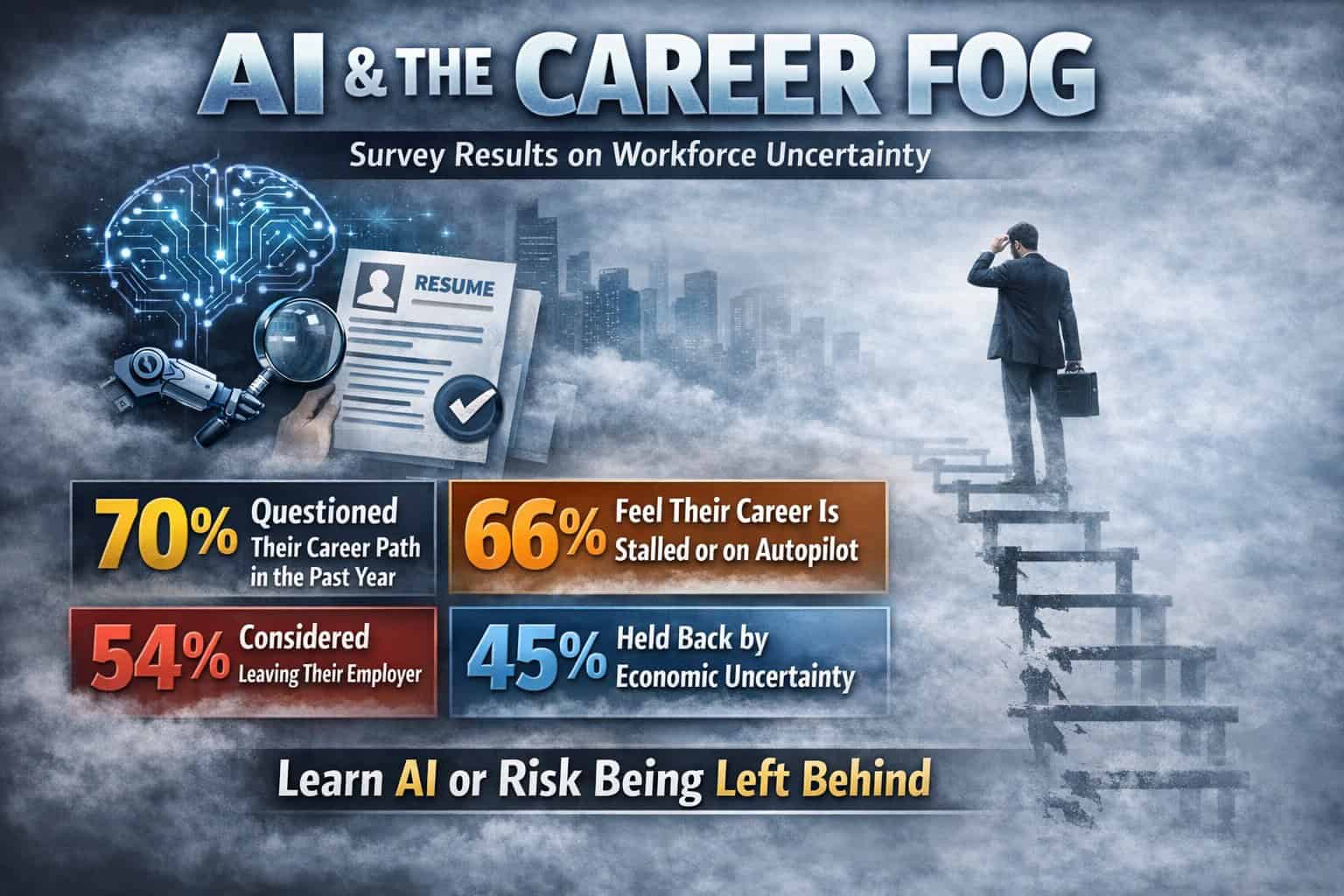
For workers navigating this shift, the challenge is no longer just finding the next job. It is understanding what work looks like in an economy where AI is no longer on the sidelines, but embedded at the center of how businesses operate.