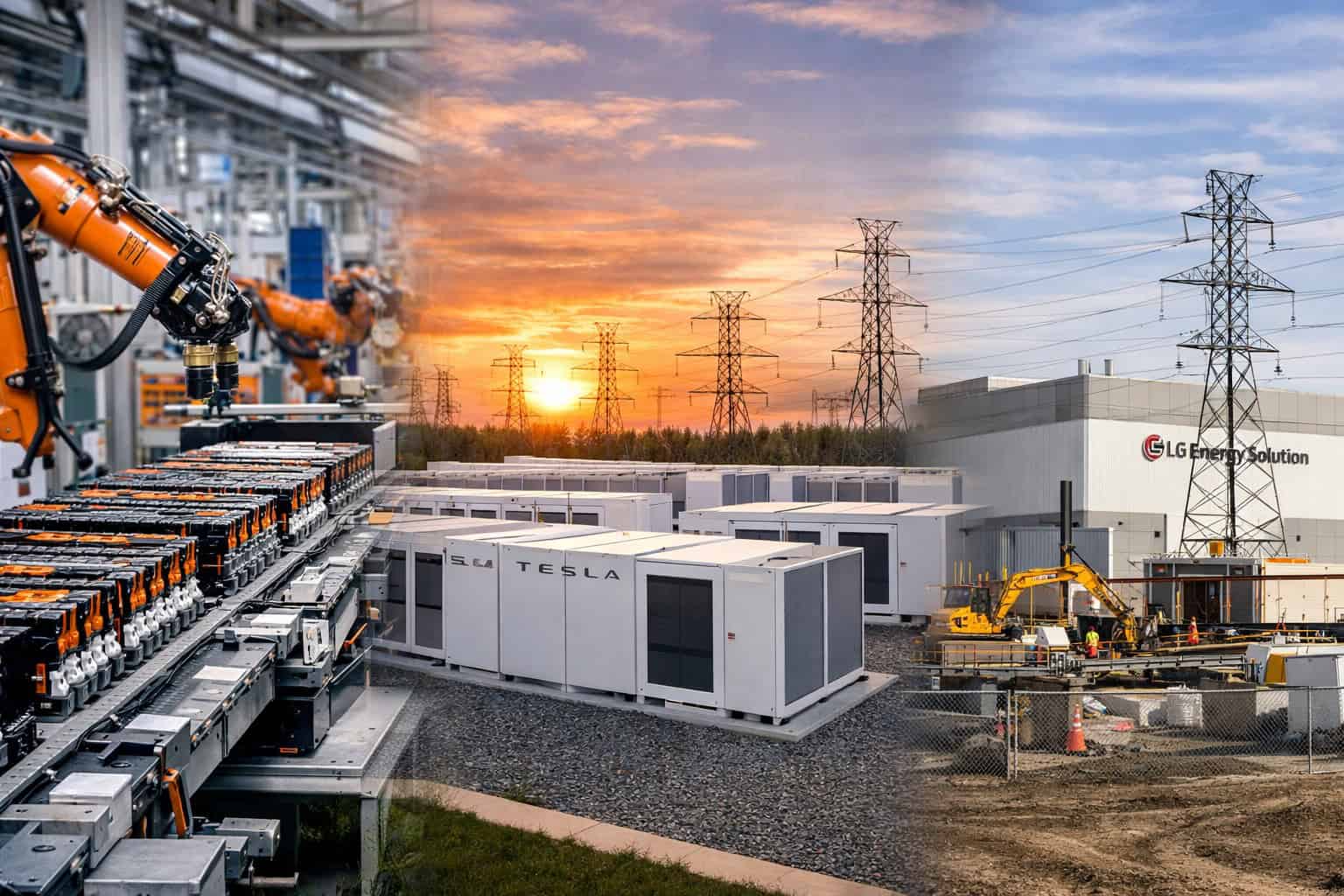
Why the Grid Can’t Keep Up
Michigan’s grid faces three structural limits:
1. Transmission Takes Too Long
High-voltage transmission lines require:
AI data centers don’t wait that long.
2. Substation Bottlenecks
Even where generation exists, substations often lack capacity to handle sudden, massive new loads. Upgrades are expensive, slow, and increasingly contested at the local level.
3. Generation vs. Delivery
Michigan can add new generation faster than it can move power to where it’s needed. That imbalance is driving congestion costs and delaying new connections.
Utilities like DTE Energy and Consumers Energy are now forced to prioritize which projects move forward — and when.
AI Demand vs. Grid Capacity: A Simplified Timeline
2024–2026: Collision Phase
-
AI data center proposals surge
-
Grid interconnection delays increase
-
Utilities impose phased or conditional approvals
-
Developers rely more heavily on temporary solutions (diesel, gas, short-term contracts)
2026–2030: Constraint Phase
-
Transmission upgrades remain under construction
-
Grid congestion worsens during peak demand
-
Utilities push demand-response, load shifting, and behind-the-meter solutions
-
State regulators face growing pressure to accelerate approvals
Post-2030: Structural Reset
-
New transmission lines finally come online
-
Advanced nuclear options, including SMRs, become viable
-
Buildings increasingly generate and manage their own power
-
Grid planning shifts permanently toward AI-era demand profiles
Why Utilities Are Pushing Back
From a utility perspective, AI demand creates unprecedented risk:
-
Massive capital investments tied to a single customer or sector
-
Uncertainty over long-term AI growth trajectories
-
Reliability risks if demand spikes faster than infrastructure
That’s why utilities increasingly require data center developers to:
-
Pay for grid upgrades upfront
-
Phase load increases over time
-
Integrate on-site energy solutions
How Smart Buildings and On-Site Power Fit In
While they won’t replace grid power, on-site energy systems are becoming essential pressure valves:
-
Battery storage for peak shaving
-
Microgrids for resilience
-
On-site solar to offset auxiliary loads
-
Building-integrated solar surfaces that use vertical space
For data centers with rooftop cooling equipment, walls and façades may be the only remaining real estate for renewable generation.
Where Nuclear SMRs Enter the Equation
Small modular reactors (SMRs) are increasingly discussed as a post-2030 baseload solution for AI infrastructure:
-
Always-on, carbon-free power
-
Smaller footprint than traditional nuclear plants
-
Potential to colocate near industrial demand hubs
But SMRs won’t solve today’s congestion crisis. They address future capacity, not immediate delivery constraints.
The Regulatory Crossroads
Michigan regulators, including the Michigan Public Service Commission, now sit at the center of competing pressures:
-
Economic development and job creation
-
Grid reliability and affordability
-
Clean energy targets
-
Community opposition to new infrastructure
Every major AI data center proposal is effectively becoming a grid policy decision.
Takeaway
AI demand is growing faster than Michigan’s grid can adapt — and that gap is reshaping how power is planned, priced, and delivered.
The solution won’t come from one technology or one policy decision. It will require:
-
Faster grid approvals
-
Smarter buildings
-
New generation sources, including nuclear
-
A fundamental rethink of how electricity demand is forecast
In the AI era, grid capacity is no longer a background issue.
It is a front-line economic constraint.